natureOffice Journal
Alle Beiträge
Gesellschaft
nO
Gedanken von

In diesem Beitrag
Introduction
What Is Renewable Energy?
The Business Benefits of Renewable Energy
As climate change, rising energy costs, and environmental responsibility become global priorities, renewable energy is no longer an option—it’s a necessity. Businesses, governments, and communities are increasingly shifting toward clean energy sources to reduce carbon emissions and create a more sustainable future. Renewable energy plays a critical role in addressing today’s environmental challenges while supporting long-term economic growth. From solar and wind power to innovative energy storage solutions, the transition to renewable energy is reshaping how we produce, consume, and manage power.
Renewable energy comes from natural sources that are constantly replenished, such as sunlight, wind, water, and biomass. Unlike fossil fuels, renewable energy sources generate power without releasing harmful greenhouse gases, making them essential for reducing environmental impact.
Common types of renewable energy include:
Solar energy
Wind energy
Hydropower
Biomass energy
Geothermal energy
These energy sources offer cleaner alternatives that support sustainability and energy independence.
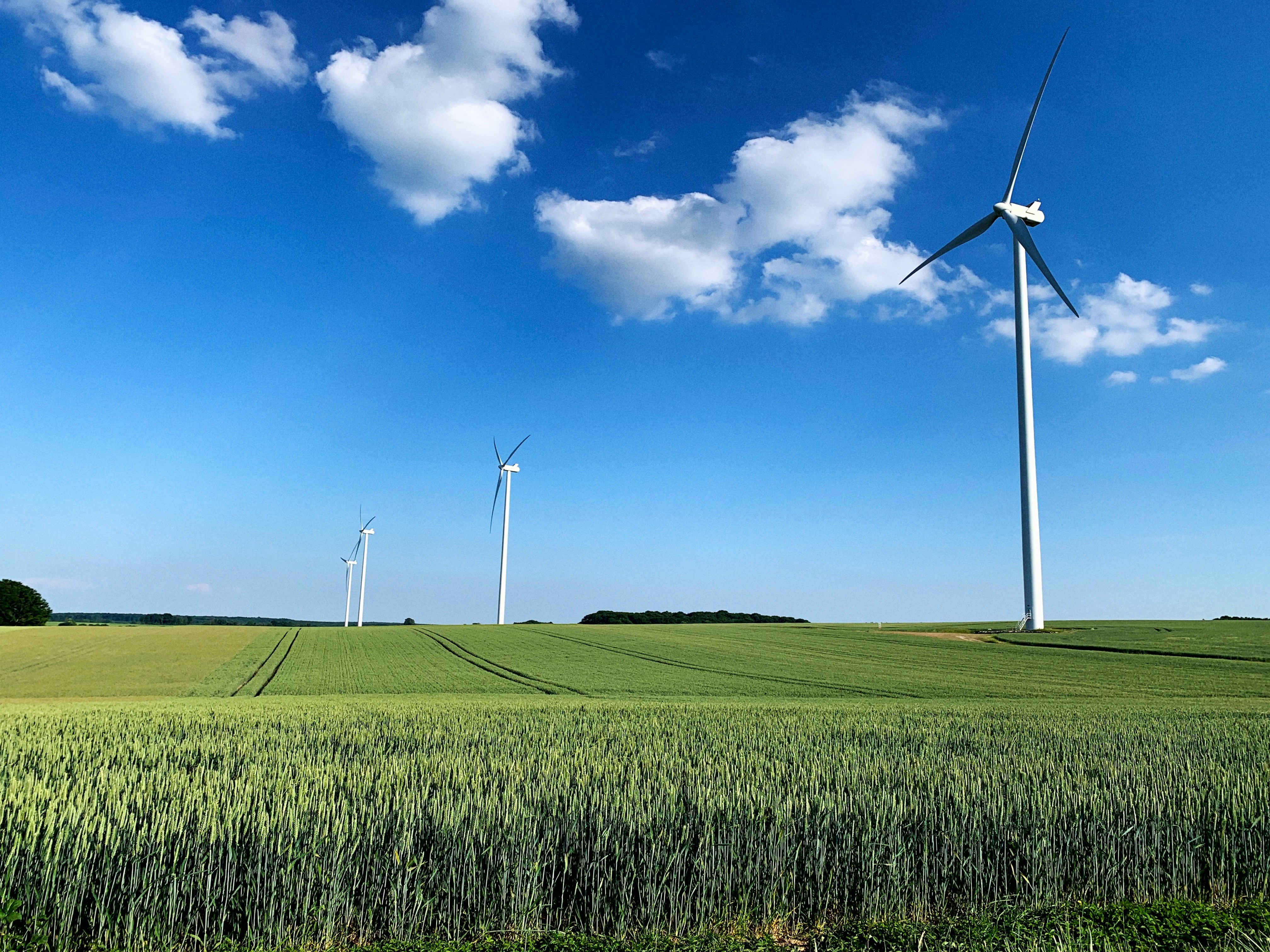
Renewable energy is a key driver of sustainable development. It helps reduce dependence on fossil fuels, lowers carbon emissions, and minimizes environmental degradation. By adopting renewable solutions, organizations can actively contribute to climate goals while strengthening their environmental credibility.
Beyond environmental benefits, renewable energy also enhances energy security and reduces long-term operational costs. Businesses that invest in clean energy are better positioned to meet regulatory requirements and stakeholder expectations.
🌱 Reduced Carbon Footprint
Clean energy sources dramatically lower greenhouse gas emissions, helping businesses meet sustainability targets and ESG commitments.
⚡ Cost Efficiency
While initial investments may vary, renewable energy reduces long-term energy costs and protects businesses from fluctuating fuel prices.
📈 Brand Trust and Reputation
Consumers and investors increasingly support companies that demonstrate environmental responsibility and transparency.
🔒 Energy Resilience
Renewable energy systems create more stable and decentralized energy infrastructure, reducing dependency on traditional grids.