
Combined Project Nederland Plus
National Park De Biesbosch & Renewable Energy in India
Rooted locally. Effective globally. An ecosystem that is truly unique – and precisely for that reason requires special attention.
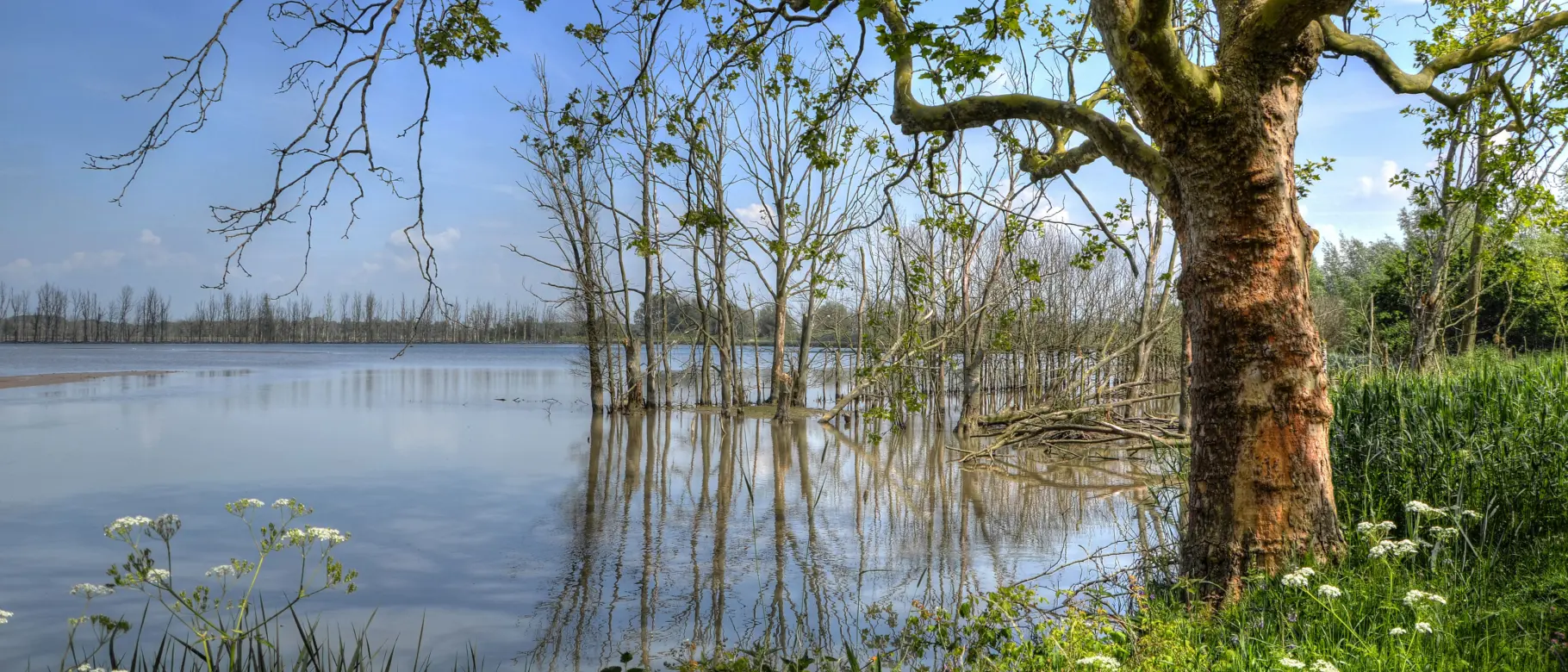
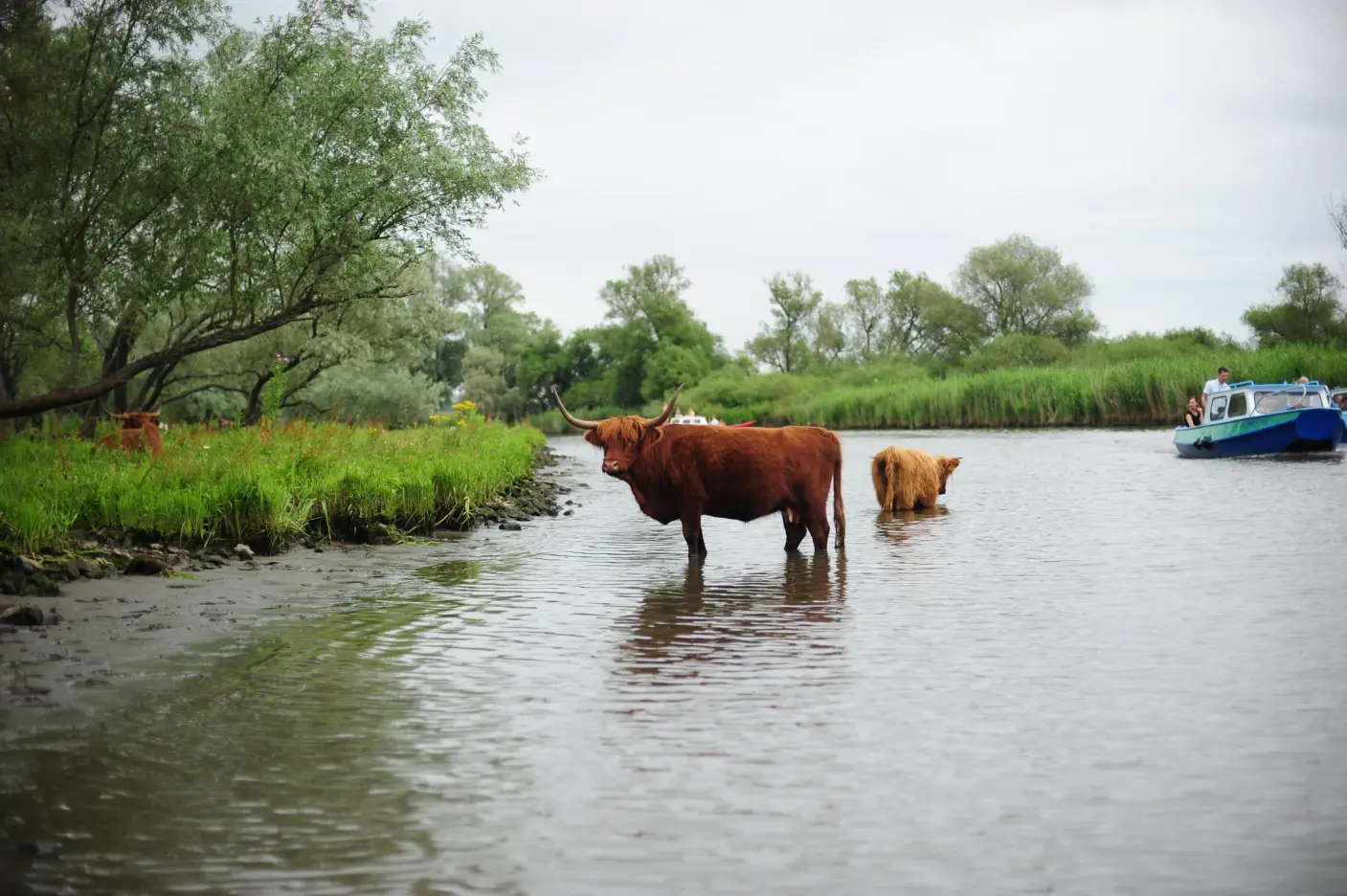
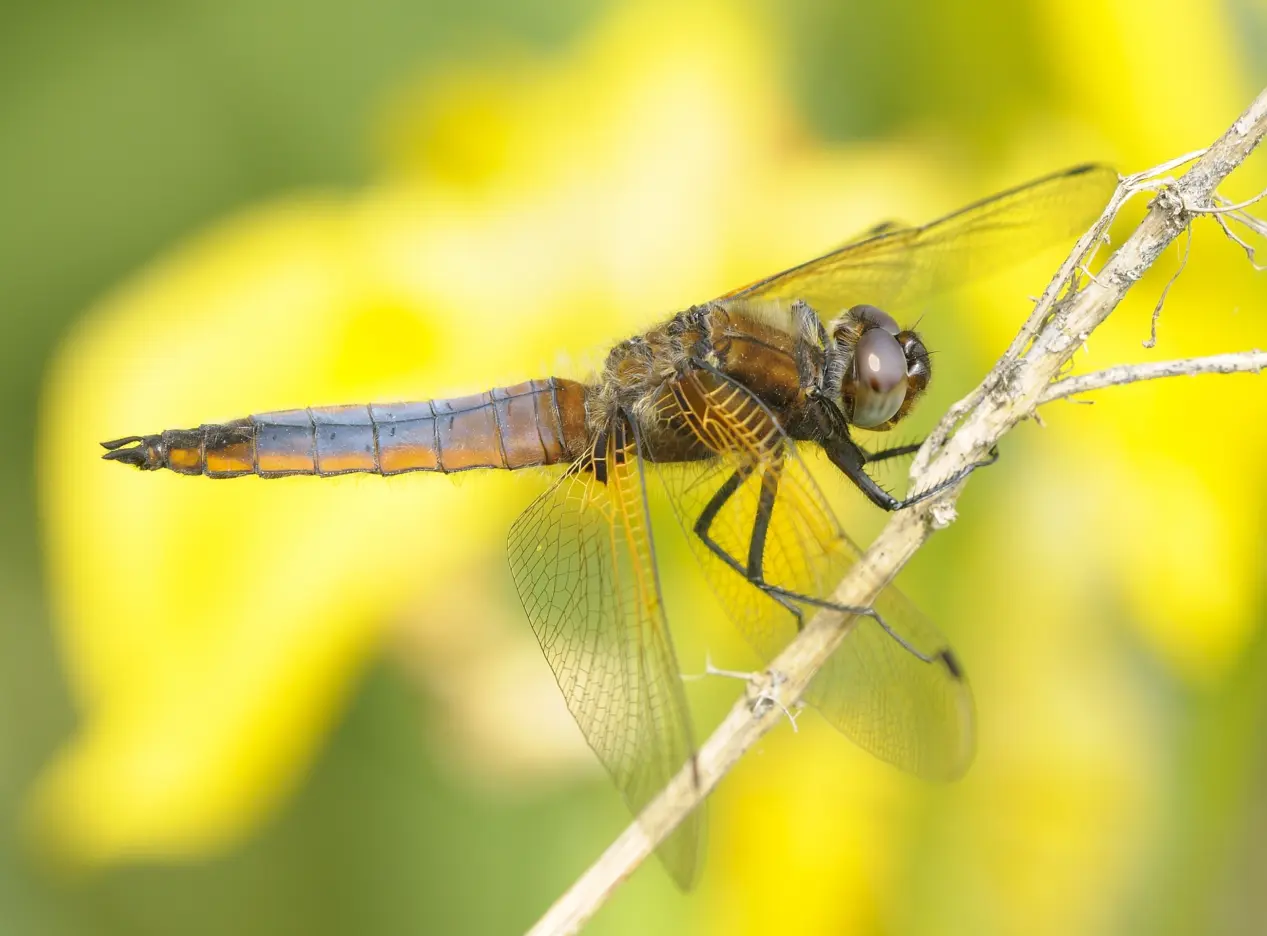
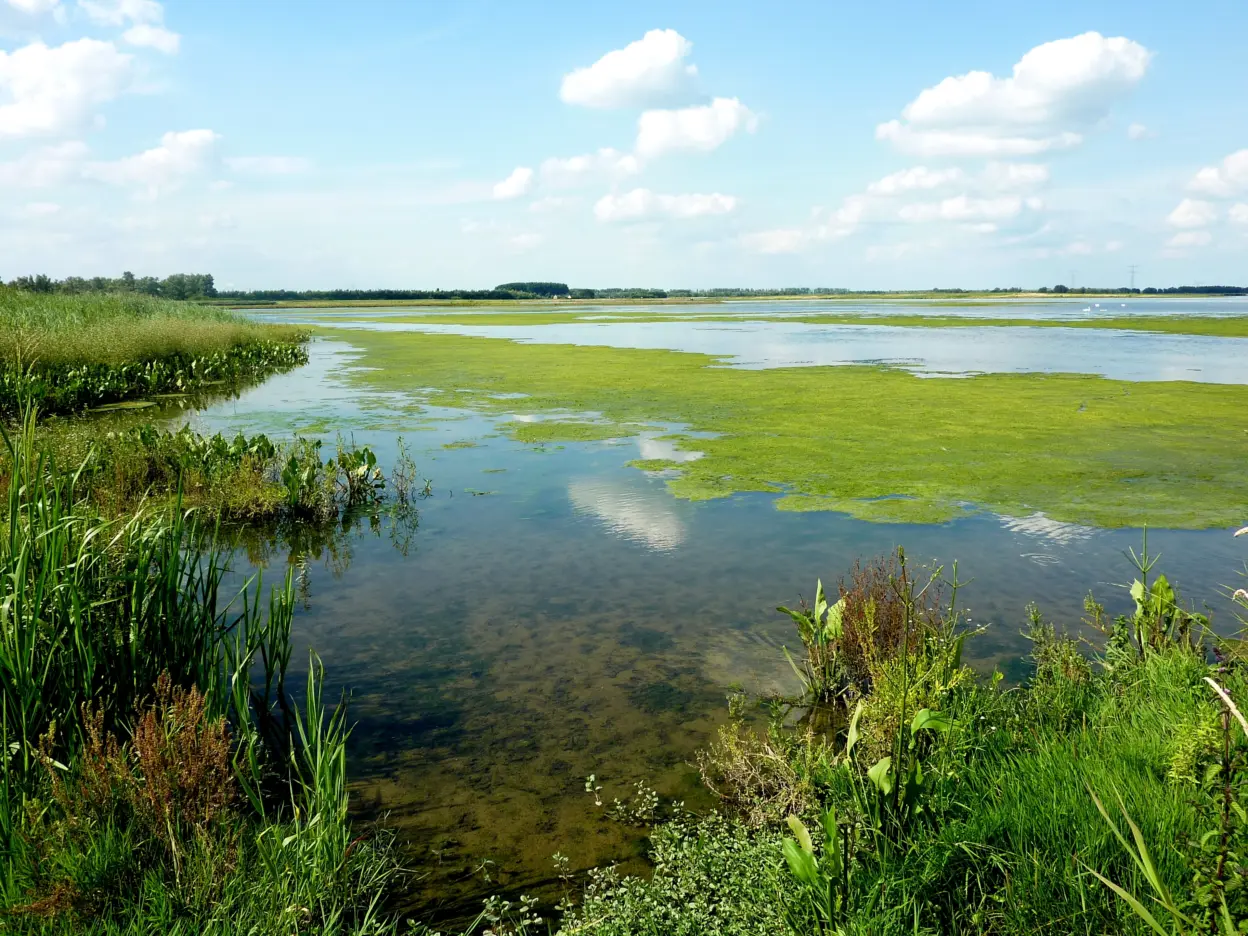
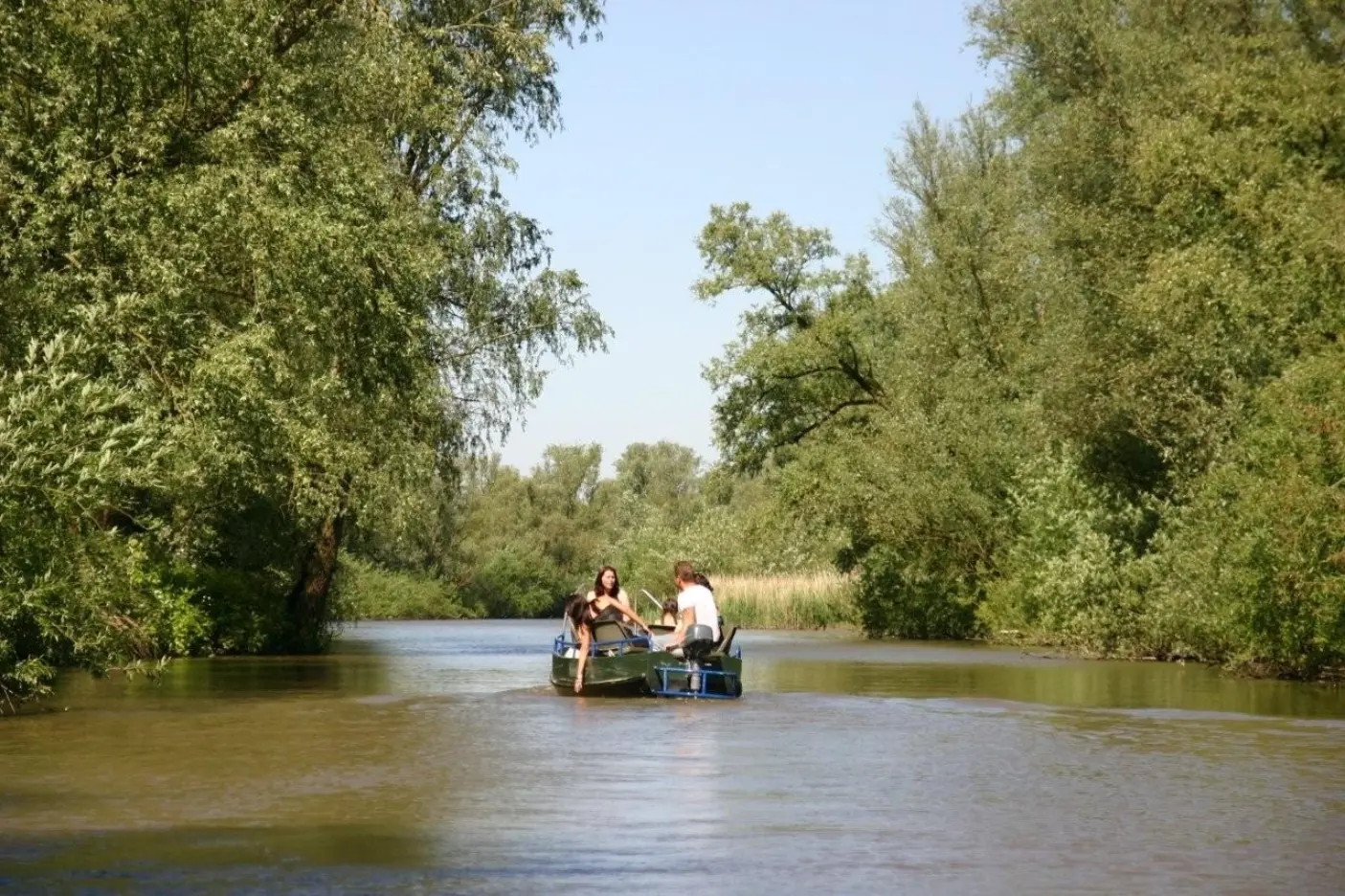
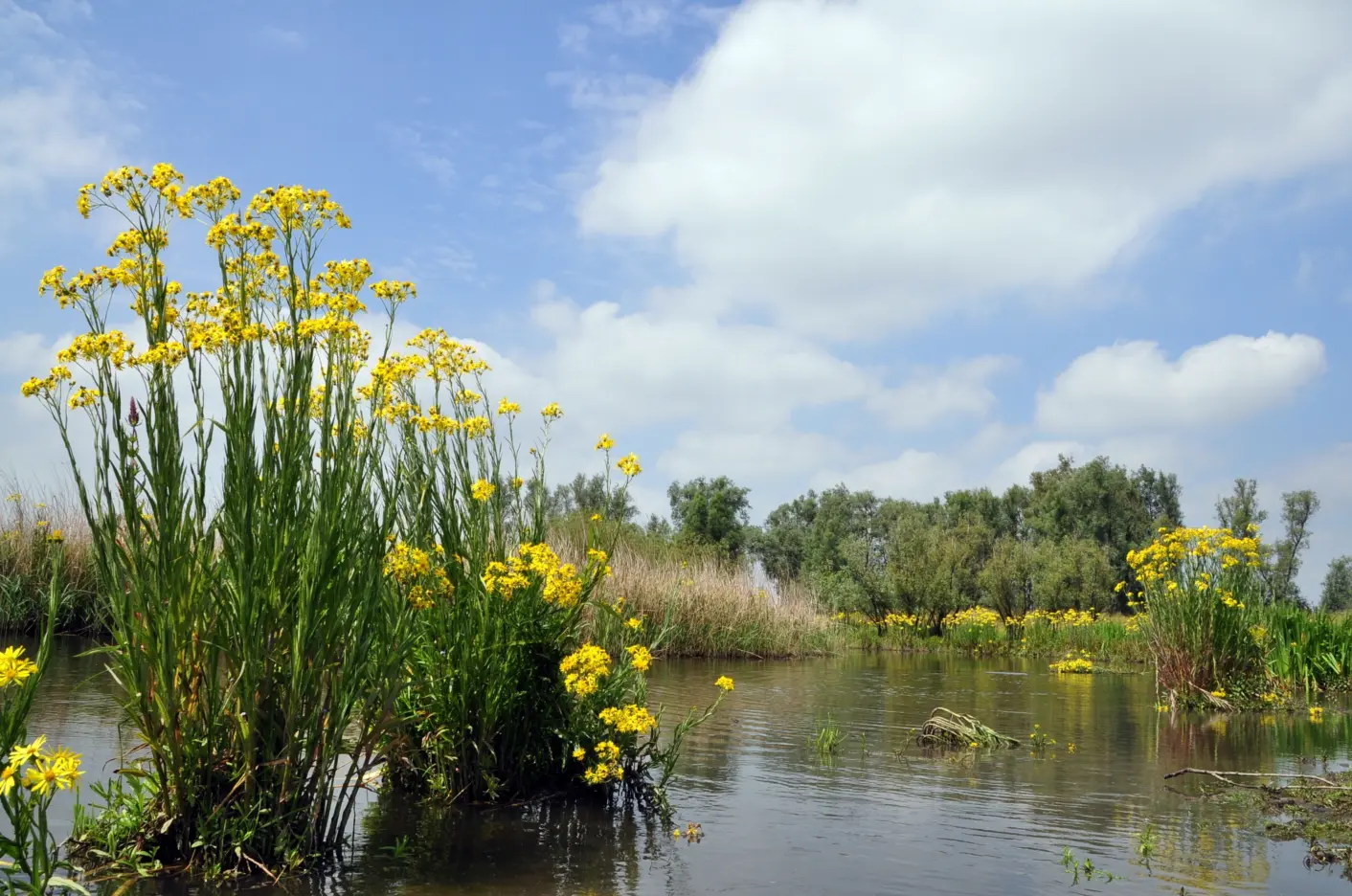
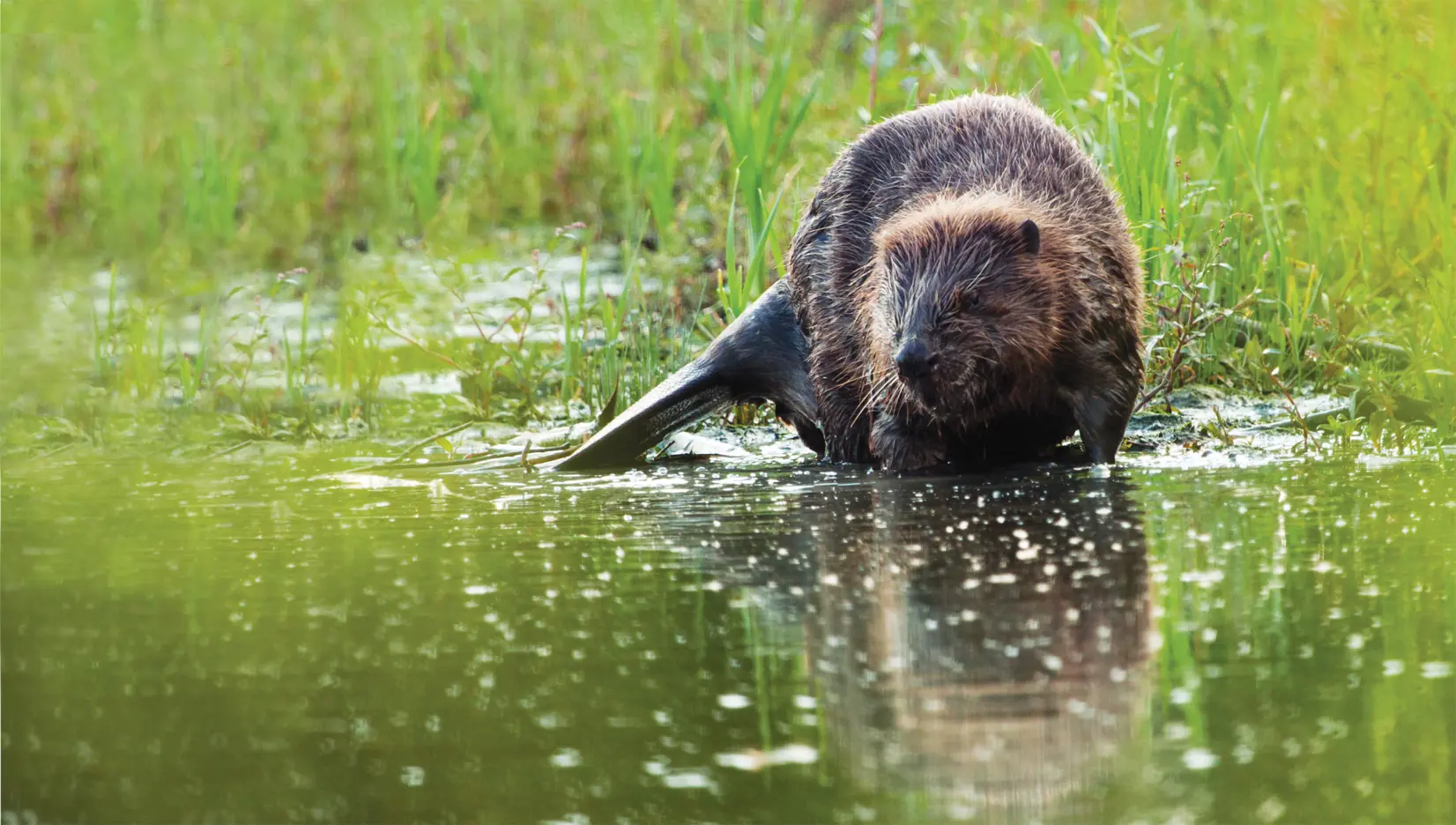
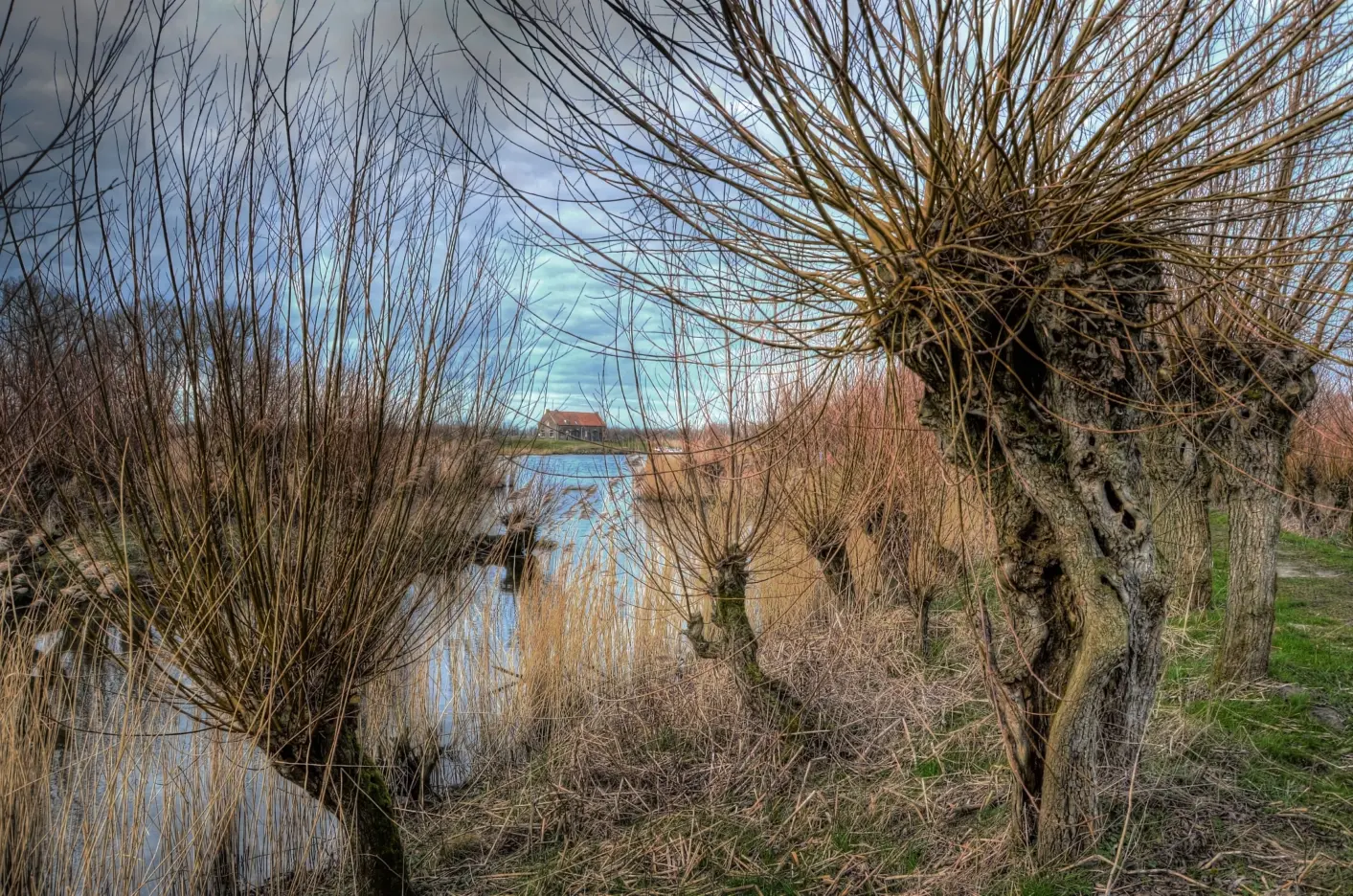
The National Park De Biesbosch is one of the last large freshwater tidal deltas in Europe. It is not a typical forest, but a complex interplay of water, willow trees, reeds, and floodplain landscapes. Shaped by branching waterways and constantly changing water levels, this dynamic environment is continuously evolving. This is exactly what makes the Biesbosch so ecologically valuable: it provides habitat for a wide range of plant and animal species, including the beaver, which has successfully returned to the area.
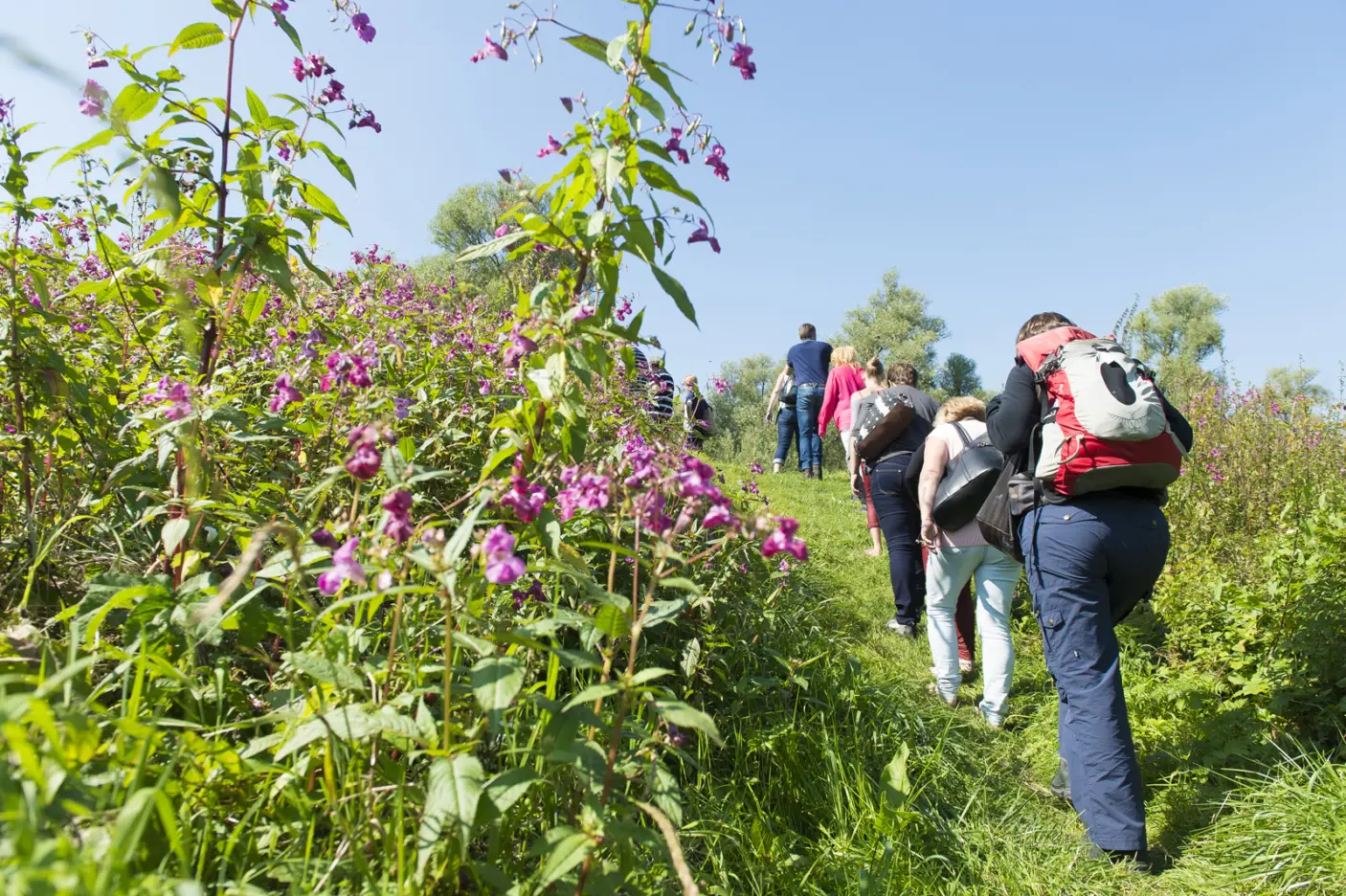
At the same time, the region plays an important role in natural flood protection by absorbing and regulating large volumes of water. The Biesbosch is therefore a very tangible example of climate adaptation in practice – not as a concept, but as a living system. Despite its protected status, the national park remains accessible and open to visitors. The key lies in maintaining a careful balance: preserving what makes the area special while deliberately developing what needs to endure in the long term.
Where it happens
What projects mean on the ground – made visible through images.
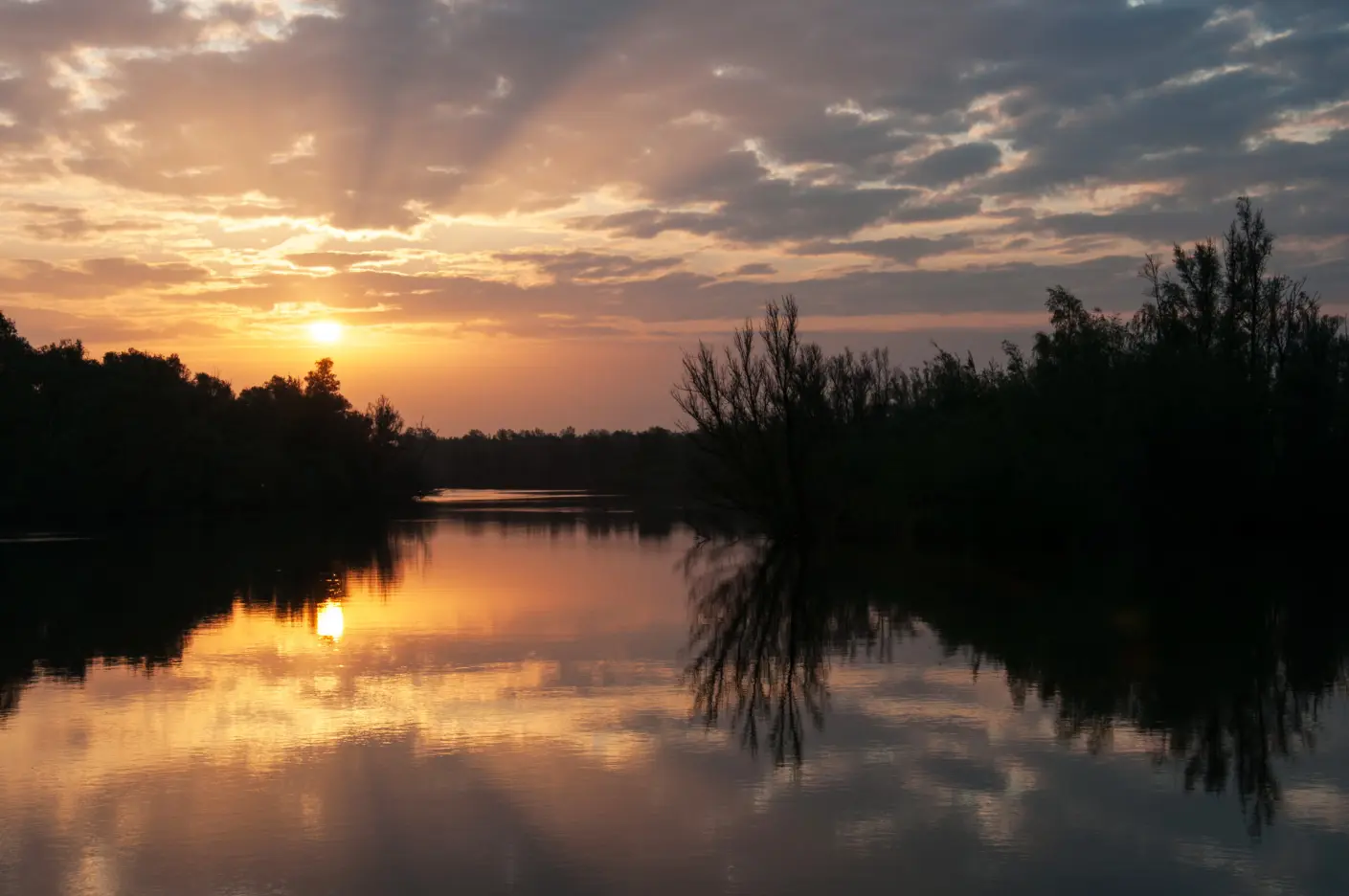
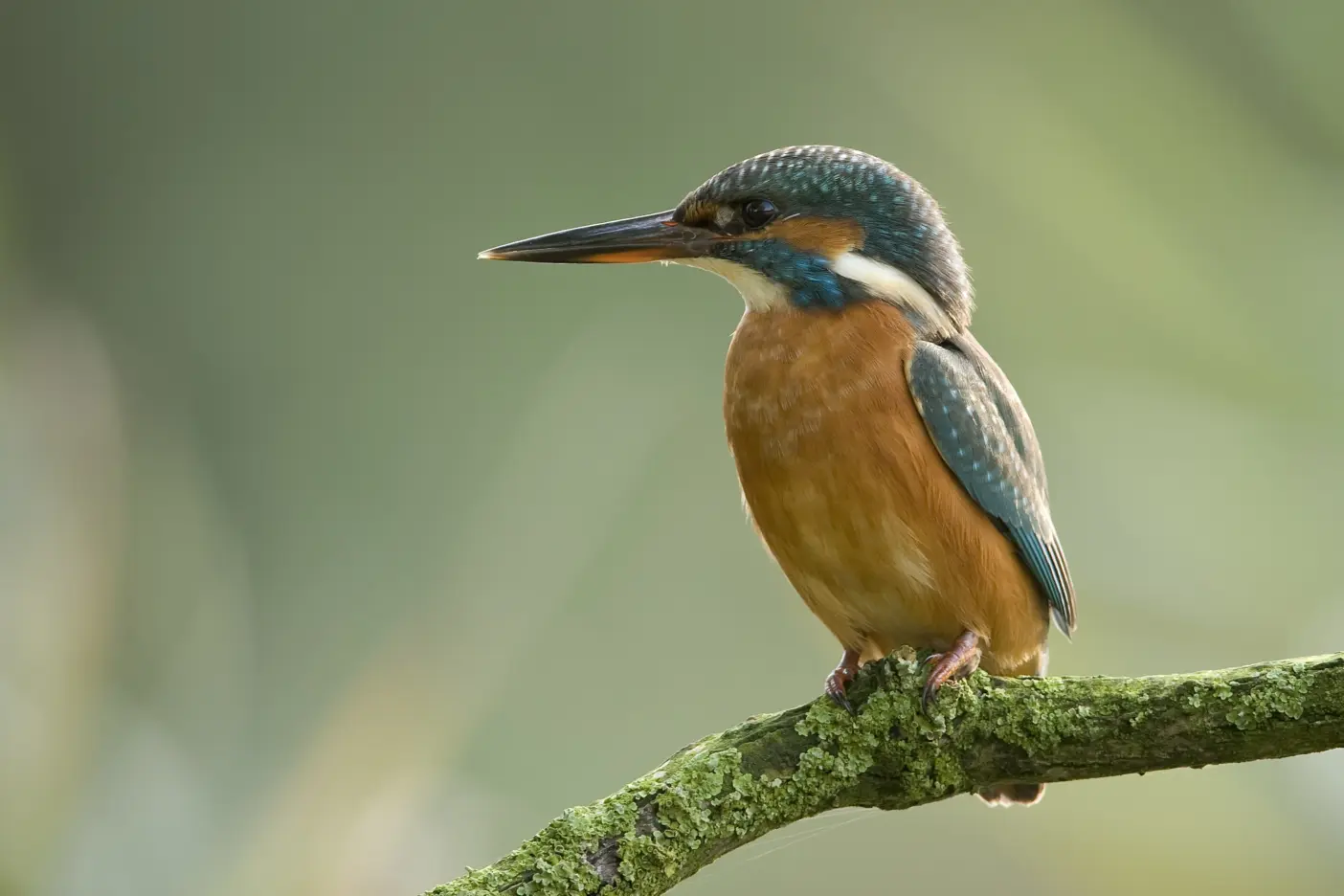
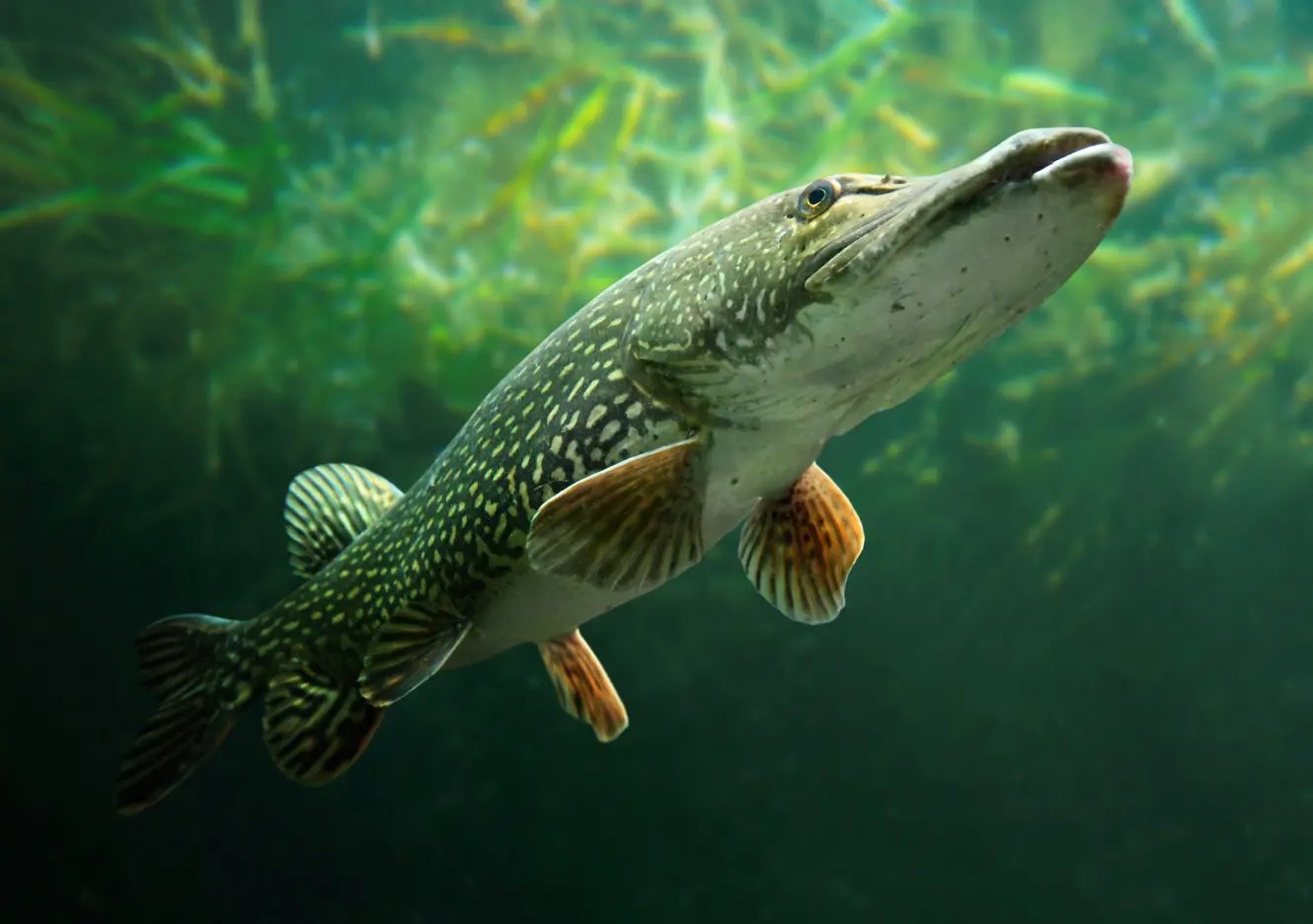
Strengthening Dutch nature together
Not a typical forest, but a unique freshwater delta – and treated accordingly.

Storm-resistant forests
Planting new tree species that can withstand the next storm

Promoting biodiversity
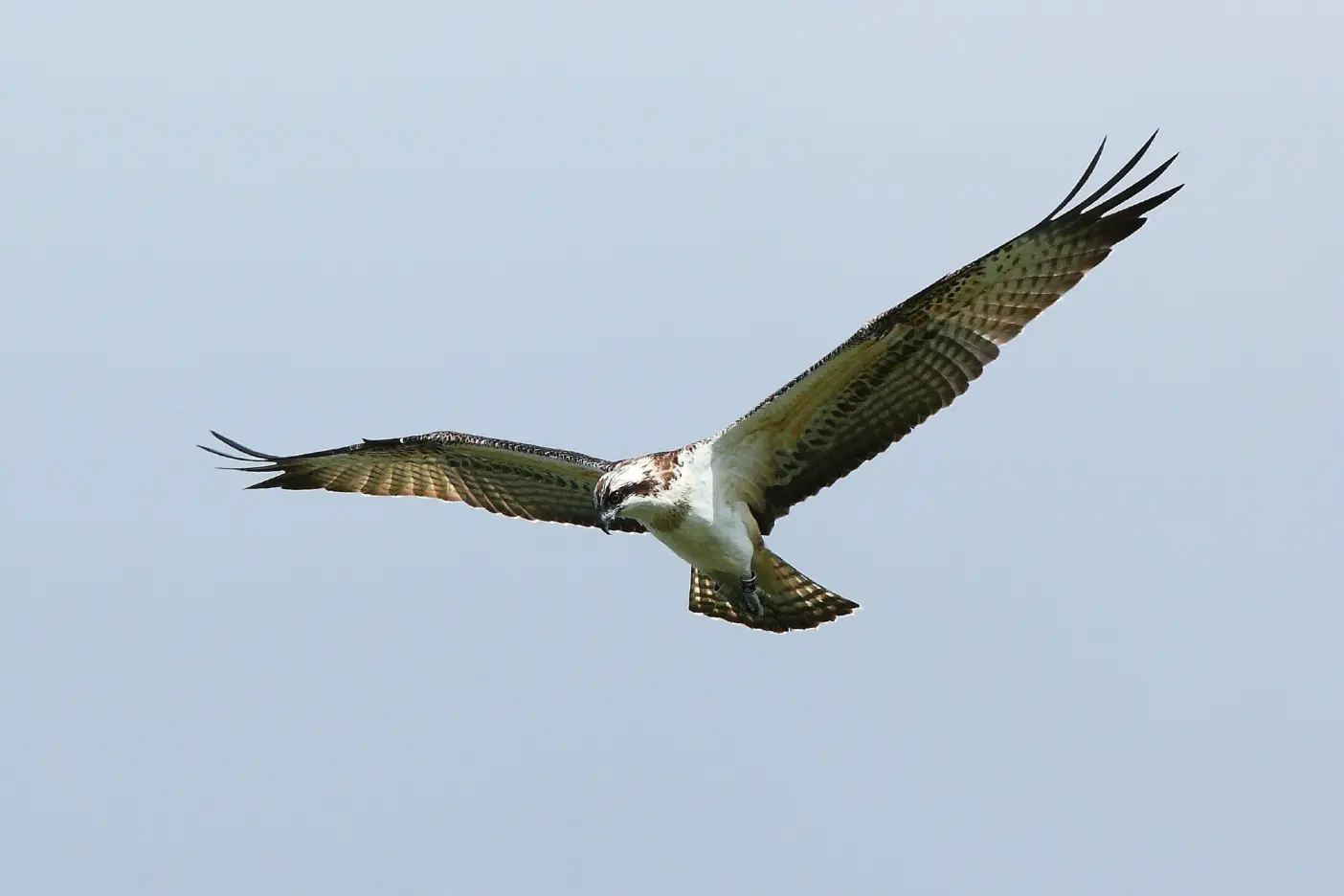
Creating habitats for otters, sea eagles and millions of migratory birds

Game browsing protection
Protecting young trees from hungry visitors - professionally and sustainably

Strengthening ecological power
Making Europe's largest freshwater delta fit for the future
How it works
The approach is clearly structured: with our combined project “Nederland Plus”, CO₂ compensation is carried out through a certified renewable energy project in India. The emission volumes are balanced there according to recognized standards.
In addition, you make a separate contribution: for every tonne of CO₂ compensated, €5 goes towards measures in the National Park De Biesbosch. This contribution is independent of the CO₂ compensation and specifically supports the development of the local ecosystem.
This creates a combination of verified compensation and regional engagement – clearly separated and transparently implemented.
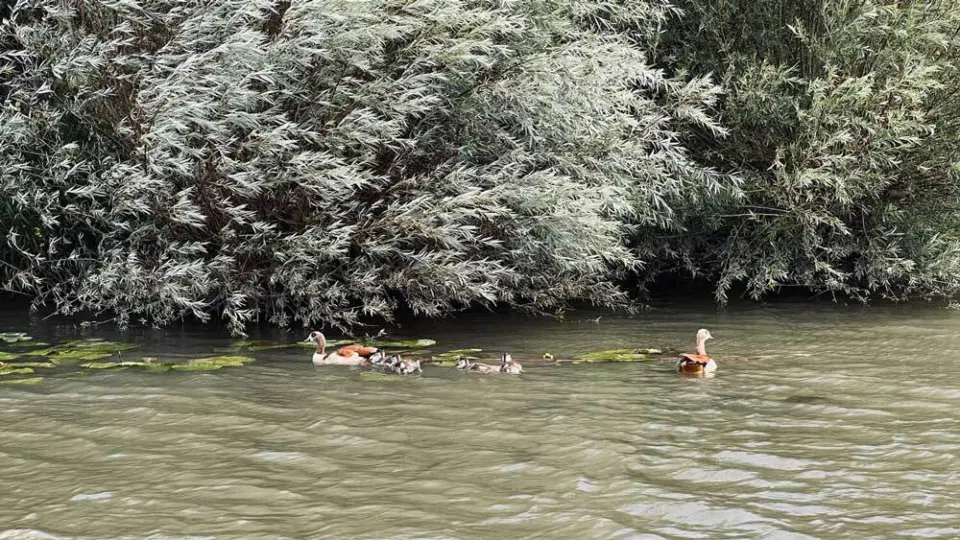
Our project area
With “Nederland Plus”, CO₂ compensation is carried out through a certified project. In addition, you support measures in the National Park De Biesbosch in the Netherlands.
The national park covers around 9,000 hectares and is one of Europe’s most important freshwater deltas. Since 2018, the area has been influenced by tides again, further strengthening its natural dynamics.
In specific areas – such as around the De Merwelanden recreation lake – new vegetation structures are being developed following storm damage. This supports the creation of floodplain landscapes that help stabilize the ecosystem and provide habitats for various species, particularly migratory birds.
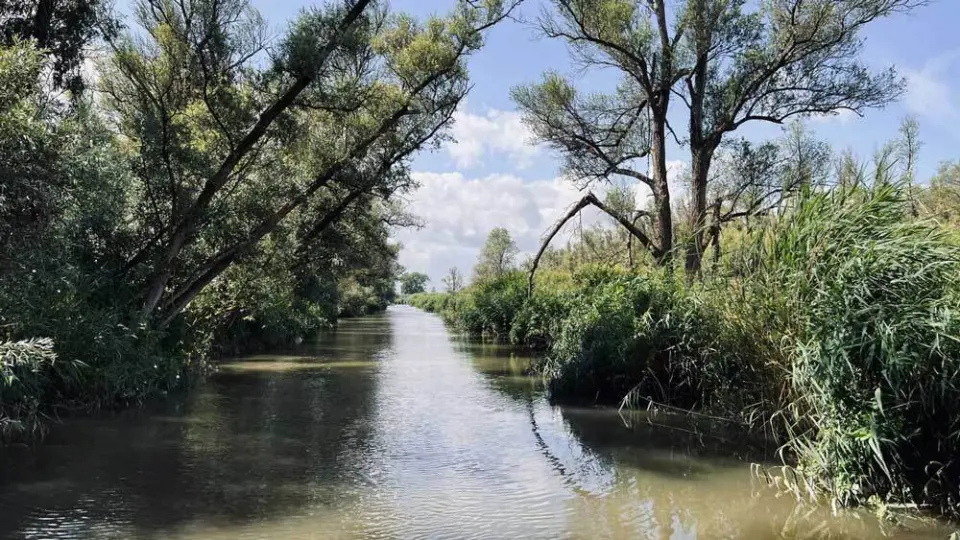
Why De Biesbosch National Park is so special
Seven aspects that define the area
- 1
Europe's largest freshwater delta
Around 9,000 hectares of nature – shaped by water, islands and floodplain landscapes. Since 2018, tidal influence has been restored, bringing back natural dynamics.
- 2
Outstanding biodiversity
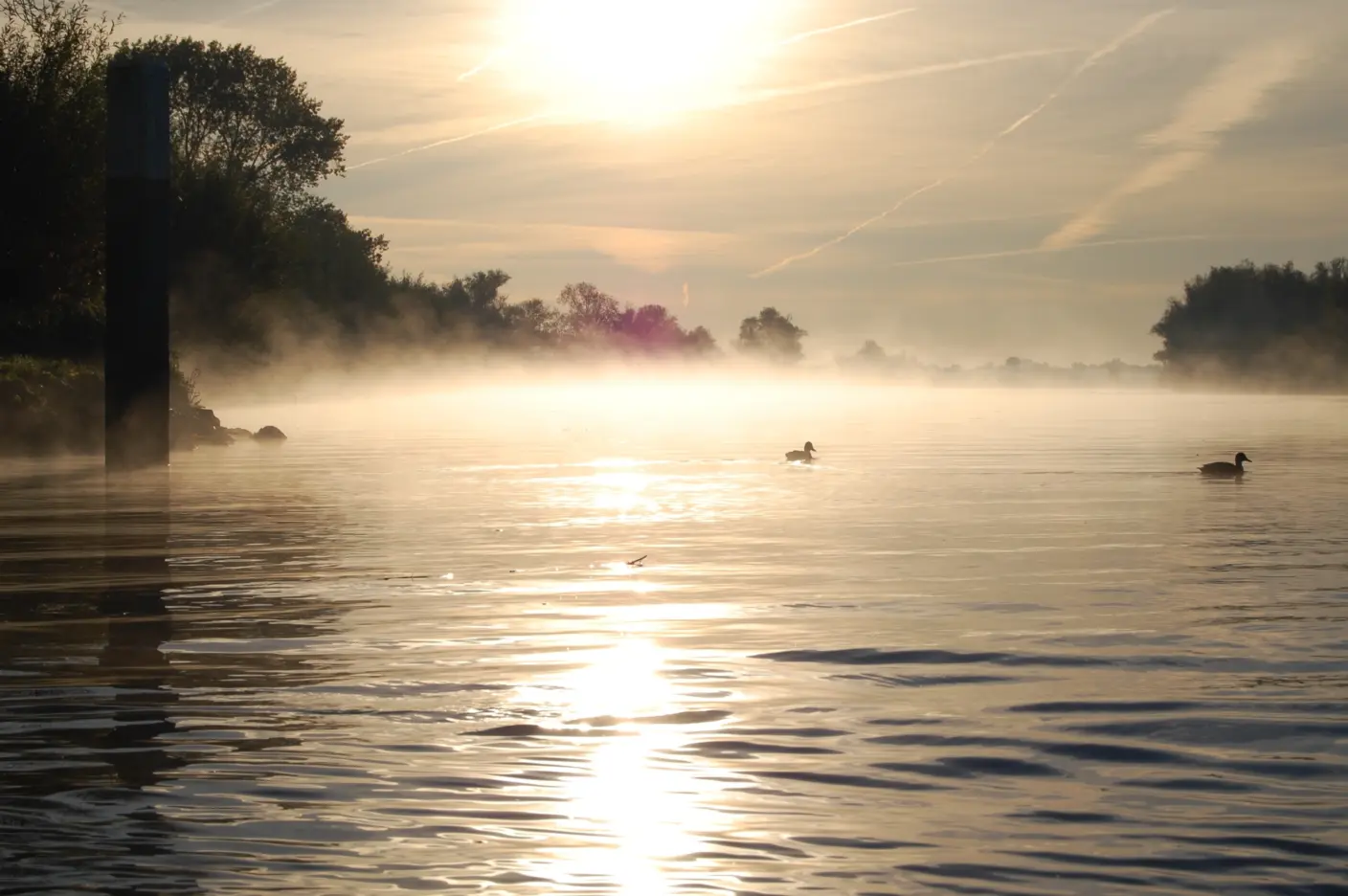
Habitat for numerous species such as otters, white-tailed eagles and kingfishers. The interplay of water and land creates ideal conditions for high biodiversity.
- 3
Developing floodplain landscapes
Large, continuous floodplain areas like this have become rare. This makes it all the more important to preserve existing structures and develop them further in a targeted way.
- 4
A haven for migratory birds
The Biesbosch is an important breeding and stopover site. Each year, many bird species use the area as a safe resting place.
- 5
Addressing storm damage
Storms leave their mark. Targeted measures help stabilize affected areas and establish new vegetation structures.
- 6
Strengthening reed landscapes
The name “Biesbosch” originates from its reed vegetation. The aim is to preserve and reinforce these characteristic landscape features over the long term.
- 7
Strengthening reed landscapes
The name “Biesbosch” originates from its reed vegetation. The aim is to preserve and reinforce these characteristic landscape features over the long term.
Projects that are already having an impact
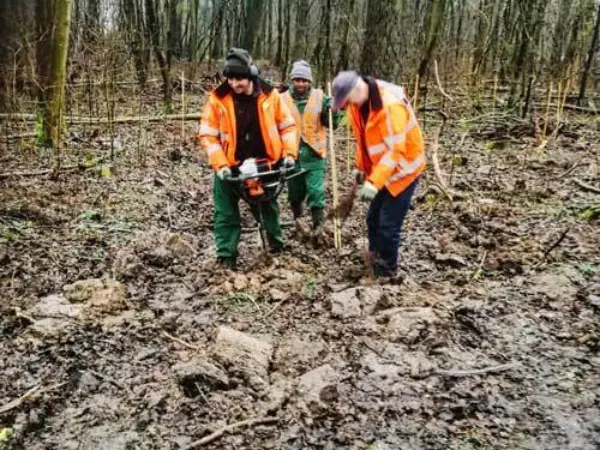
New tree species for the Biesbosch National Park
Thousands of diseased ash trees had to be removed and new native trees and shrubs have taken their place. The intensive reforestation project has been completed - the forest is alive again.
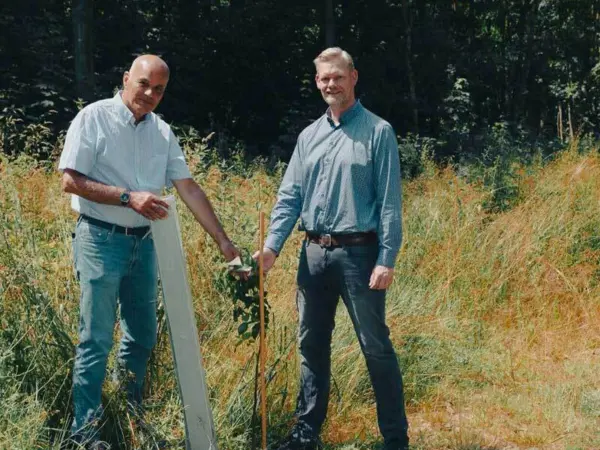
Poplar project at the bathing lake: 425 new trees to combat storm damage
Where once storm-damaged poplars left a sad picture, hornbeams, hazelnuts and walnut trees are now growing. A colorful mix for the next generation.
CO₂ compensation with regional relevance and international impact
With “Nederland Plus”, we combine certified CO₂ compensation with additional engagement in Europe. The compensation is carried out through a verified solar energy project in India and follows recognized standards. In addition, further funds are directed into concrete measures in the National Park De Biesbosch in the Netherlands – one of Europe’s largest freshwater deltas.
This creates a clearly structured model: emissions are balanced on a calculated basis, while a regional ecosystem is strengthened at the same time. Both approaches are deliberately separated and transparently traceable.
The National Park De Biesbosch represents a unique type of nature: dynamic, water-based and ecologically valuable. Measures on site focus on developing floodplain landscapes, stabilizing habitats and preserving biodiversity. At the same time, the area remains an important space for recreation.
For companies, this makes CO₂ management tangible. Instead of abstract compensation, it becomes a combination of verifiable impact and concrete engagement – locally rooted and globally oriented.