
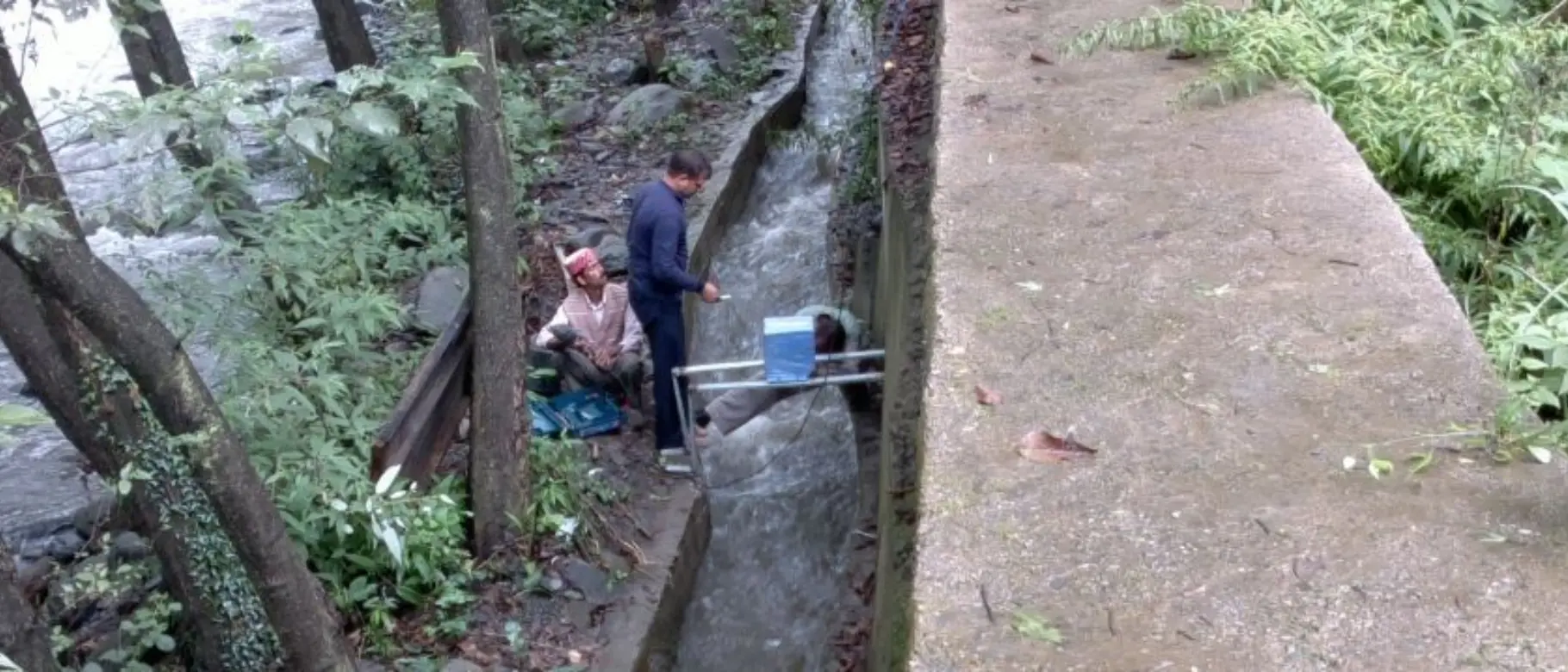
Sarbari II hydro power project by DSL Hydrowatt Limited in Kullu, Himachal Pradesh
Run-of-river power in Kullu
Sarbari II is a 5.4 MW run-of-river power plant in Himachal Pradesh, India. It uses water from the tailrace of the existing Sarbari I plant and feeds electricity into the HPSEB grid. It is expected to reduce emissions by an average of 27,118 tons of CO2e per year by replacing fossil grid electricity. The plant is built without a reservoir.
Project goals
Clean electricity for NEWNE
The project supplies renewable electricity to the regional NEWNE grid, where it replaces fossil-based generation. This reduces greenhouse gas emissions and supports the demand for electricity in the region. The project also creates jobs and economic impetus locally.
Technical details
| Technologie | Verfahren | Besonderheiten |
|---|---|---|
| Laufwasserkraft (SHP) | Netzgekoppelte Stromerzeugung (AMS I.D) | Installierte Leistung 2 × 2,7 MW (= 5,4 MW) mit 25 % Dauer‑Überlast; run‑of‑river ohne Speicher; erwartete Nettoeinspeisung ca. 32,28 GWh/Jahr; erwartete Emissionsminderung 27.118 t CO2e/Jahr (EF NEWNE 0,8400 tCO2e/MWh) |
| Turbinen/Generatoren | Pelton (horizontal, 2‑Düsen) | Bemessungsdurchfluss ca. 3,5 m3/s; Bruttofallhöhe ~199 m, Netto ~188,4 m; Generatorspannung 6,6 kV; Nenndrehzahl 375 U/min |
| Netzanbindung | Einspeisung HPSEB | Spannungserhöhung auf 33 kV; Übergabepunkt Umspannwerk Kullu; PPA mit HPSEB (23.08.2010); kommerzielle Inbetriebnahme 25.08.2010 |
| Reserveversorgung | Diesel-Notstrom | DG‑Set 62,5 kVA nur für Basislast bei Stillstand und ohne Netzzufuhr |
Economic and social benefits
- 1
Workplaces
During construction and operation, employment opportunities are created for local workers in various functions.
- 2
Local economy
Orders for suppliers, construction companies and local service providers create additional income.
- 3
Grid relief
Local renewable generation reduces the load on the national grid by feeding energy into the grid close to where it is needed.
- 4
Environment
Electricity from hydropower replaces fossil fuels and avoids air pollutants and greenhouse gases.
- 5
Use of technology
Established Pelton technology is used and promoted; no technology transfer required.
- 6
Community
Planned local development measures (e.g. via LADA funds) support the surrounding villages.
Global climate significance

CO₂ reduction
Around 27,118 tons of CO2e are avoided every year as renewable electricity replaces fossil grid electricity.

Fossil replacement
The project displaces thermal generation in the NEWNE grid and conserves non-renewable resources.

Grid relief
Regional feed-in supports security of supply and reduces long-distance transportation of electricity.

Without memory
No reservoir; therefore no reservoir-related methane emissions from operation.
Conclusion
Sarbari II reliably supplies renewable electricity to the NEWNE grid and reduces emissions. At the same time, the project boosts employment and local value creation in Kullu.