
- Insights from Our Work
- Offsetting & Projects
Visit to the Nederland Plus Project in National Park De Biesbosch
What does a project actually look like when you stand right in front of it? Not as a number, not as a report – but out there, on the ground. We visited the National Park De Biesbosch once again, looked at planting areas, spoke with those responsible, and explored how things have developed over the past few years. A day on site. And a pretty clear impression of how these projects actually work.
Now it gets concrete
On the ground in the Nederland Plus project – between planting areas, pollarded trees, and quite a lot of life.
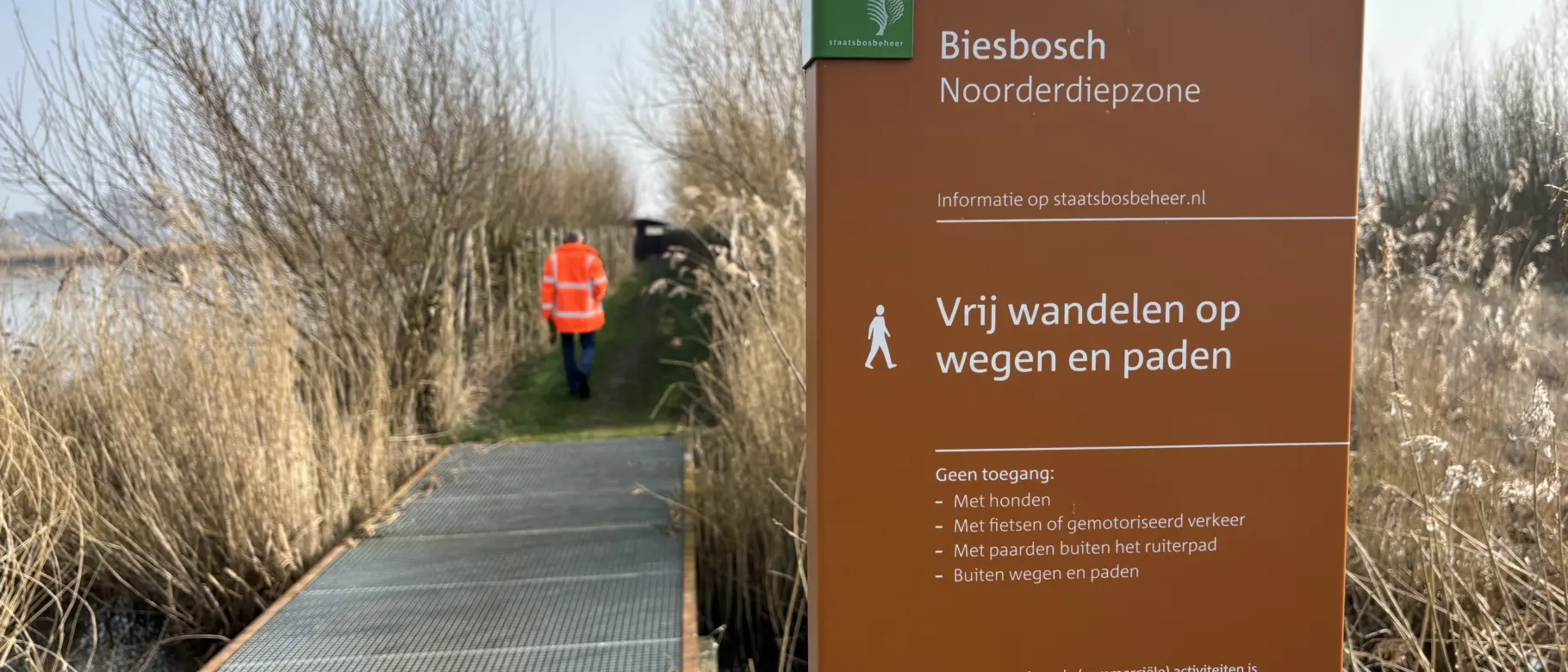
On site in National Park De Biesbosch
March 9, 2026
A full day in the National Park De Biesbosch.
Together with Remco Regelink, responsible for the field area, and his colleague Fokke Visser.
Why were we there?
Because together with our clients, we support projects in this area – and wanted to see what actually happens on the ground.
From office to field
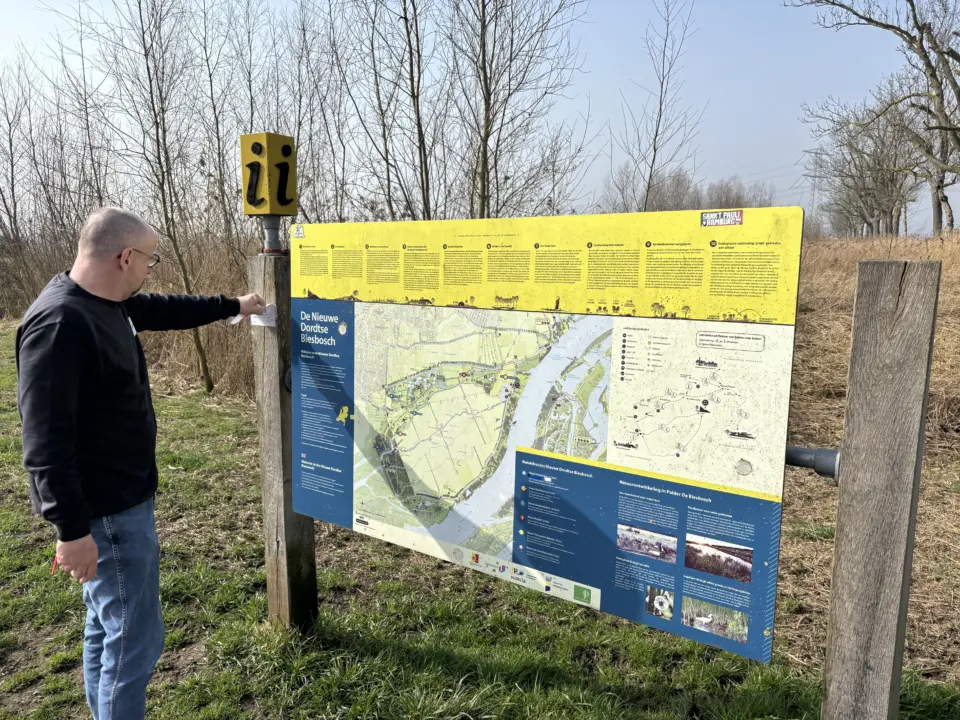
After a short introduction in Dordrecht, we headed straight out.
Not with heavy equipment, but in a small electric car.
Remco himself usually gets around by e-bike – often covering more than 40 kilometers a day.
A good indication of how vast the area is. And how close you can still get to it.
Three years of tree planting – and now?
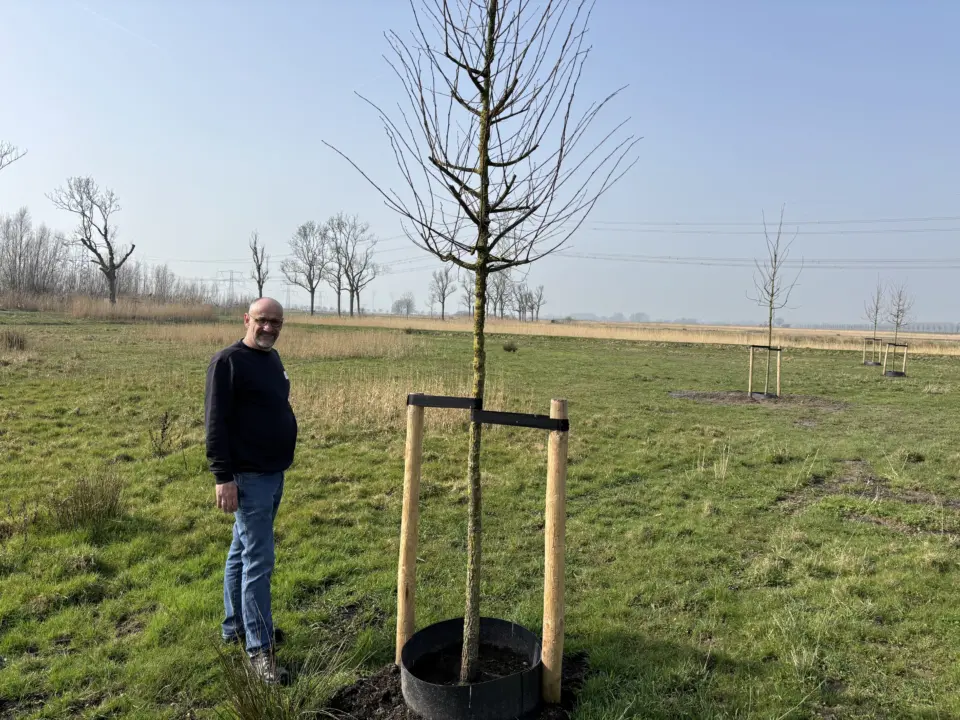
First stop: planting sites from the past three years.
Trees planted together with schoolchildren during the annual “Day of the Tree”.
What stands out:
→ Larger trees were deliberately selected
→ Planting holes prepared carefully using a small excavator
→ Each child planted “their” own tree
→ Stabilization with wooden stakes, sometimes with watering edges
Part of these planting activities was co-financed through “Nederland Plus”.
And today?
The areas are starting to take shape. Still young – but clearly showing where things are heading.
A landscape that works
While moving through the area, one thing becomes clear: This is not a static park.
Particularly striking are the old pollarded trees.
A system known from books – but rarely seen in reality today.
In the Biesbosch, they are still there. And still maintained.
→ Regular cutting cycles
→ Material used for dike reinforcement or sold
→ Economically secondary, ecologically essential
You can tell: this is not just about protection. It is about active management.
Wildlife? Plenty.
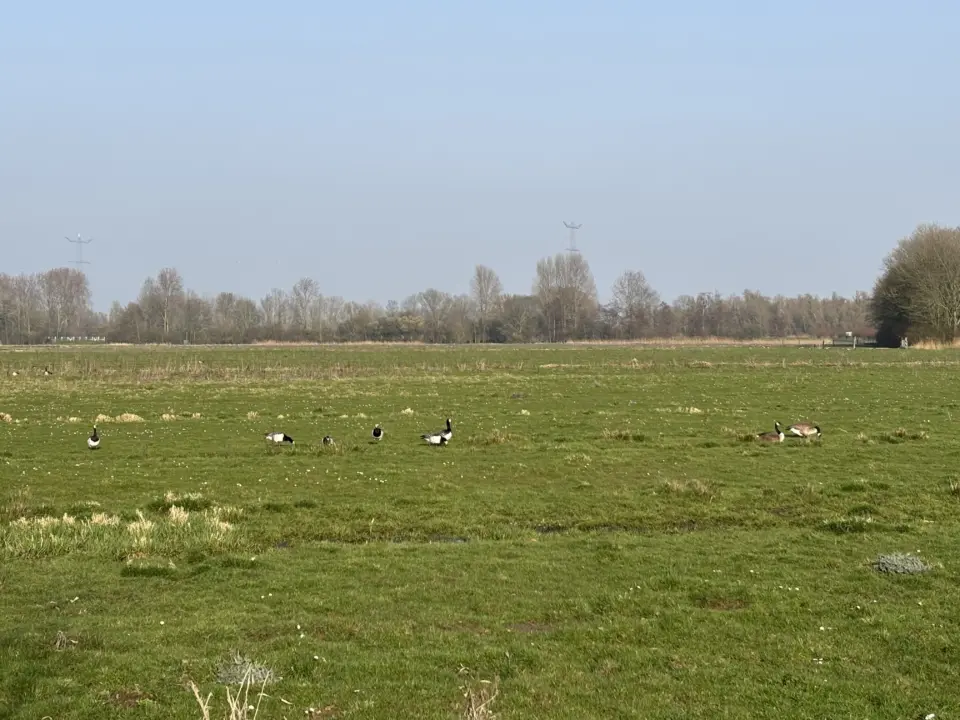
The Biesbosch is loud. In a good way.
Birds everywhere.
Not just the usual ones, but also:
→ Kingfishers
→ Spoonbills
→ White-tailed eagles
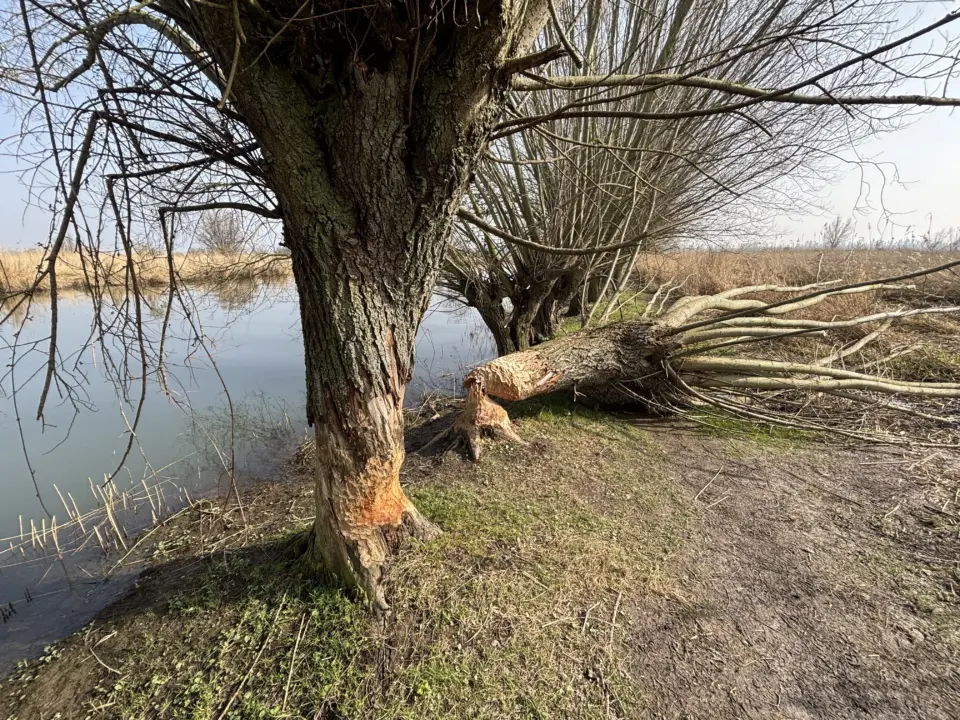
And then there’s the beaver.
Its traces are everywhere.
Felled branches, gnawed trunks, lodges along the banks.
Not something you have to search for.
More something you keep stumbling across.
A look at existing areas
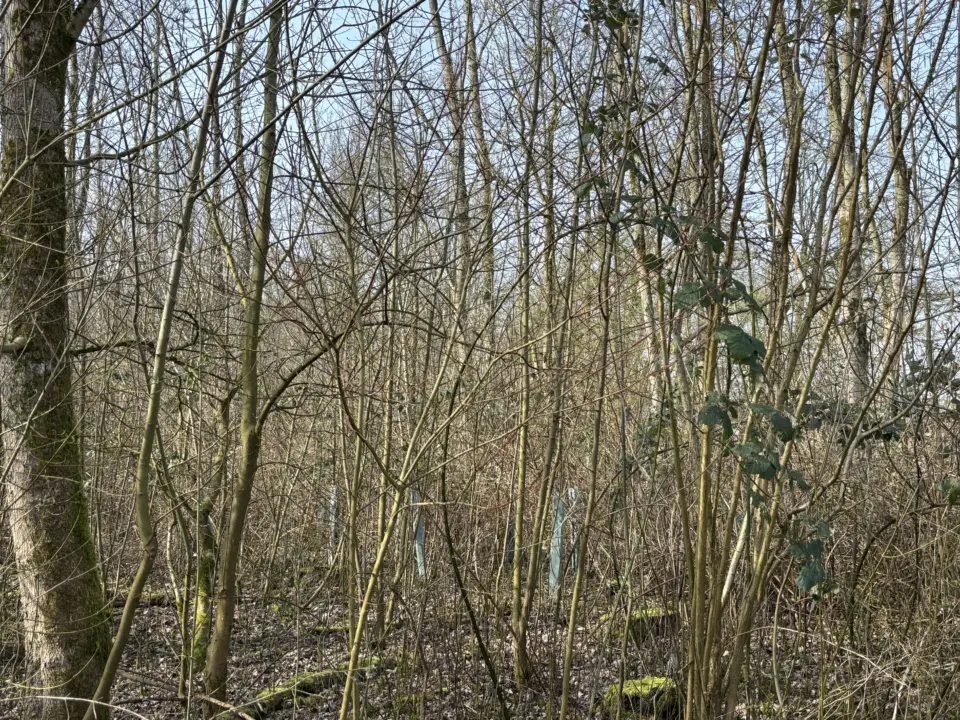
At the end of the visit, we looked at an older planting site.
Trees that had been integrated into existing small forest structures.
Today, it’s hard to tell what was added later.
The trees have settled in.
Exactly as intended.
What remains
One thing stands out:
Projects like these are not symbolic.
They consist of many small, concrete measures.
Planting. Maintaining. Adjusting. Developing.
And that’s exactly where the difference lies.
We’re already looking forward to the next visit!
Thank you, Remco!
What projects look like on the ground
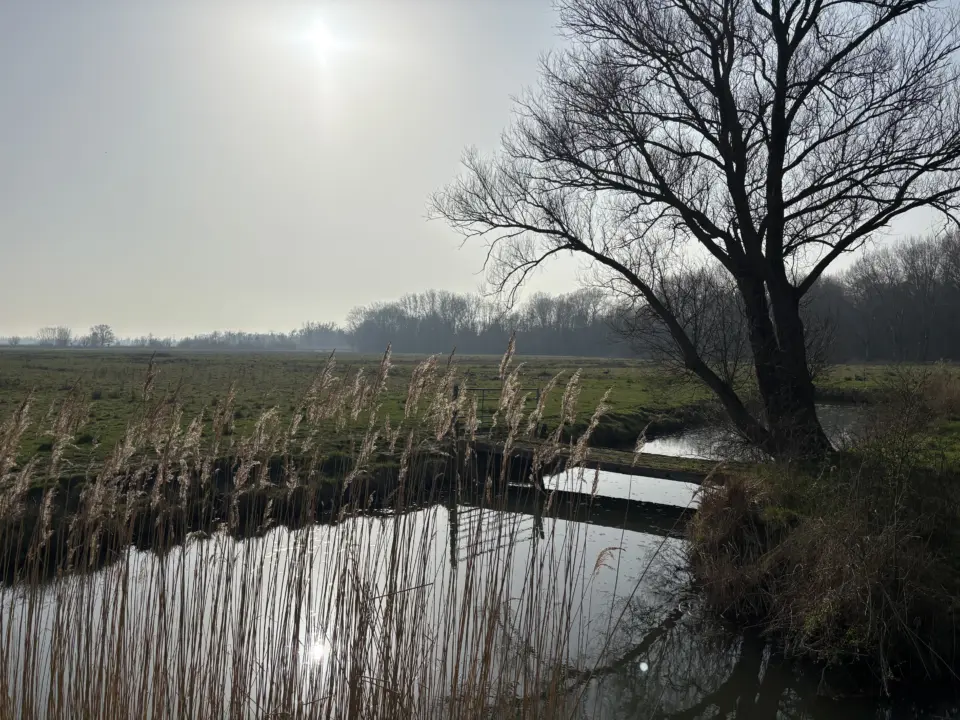
The visit to National Park De Biesbosch shows what climate projects look like in practice. Instead of abstract concepts, it’s about concrete measures: planting, maintaining existing areas, and the targeted development of a sensitive ecosystem. This is exactly where “Nederland Plus” comes in – combining certified CO₂ compensation with additional engagement in the Biesbosch.
The CO₂ compensation is carried out through a verified renewable energy project, while measures in the Dutch national park are supported in parallel. This clear separation ensures transparency and traceability.
In this sense, the Biesbosch represents many projects worldwide: impact doesn’t happen on paper, but on the ground. Anyone working with CO₂ management, compensation, and sustainable engagement gains a realistic understanding here of how projects are implemented and further developed.