Skip to content
Natureoffice logoTo homepage

Combined Project PROJECT TOGO+ | Nature-based Forest as the Foundation, Gold Standard as an Additional Safeguard

Location:Togo, West Africa & India
SDG:Kombiprojekt
Certificate type:Gold StandardDatabase

What Supports PROJECT TOGO

Nature-based forest restoration, Nature-based Solutions, international sustainability goals, political engagement, and long-term institutional anchoring.

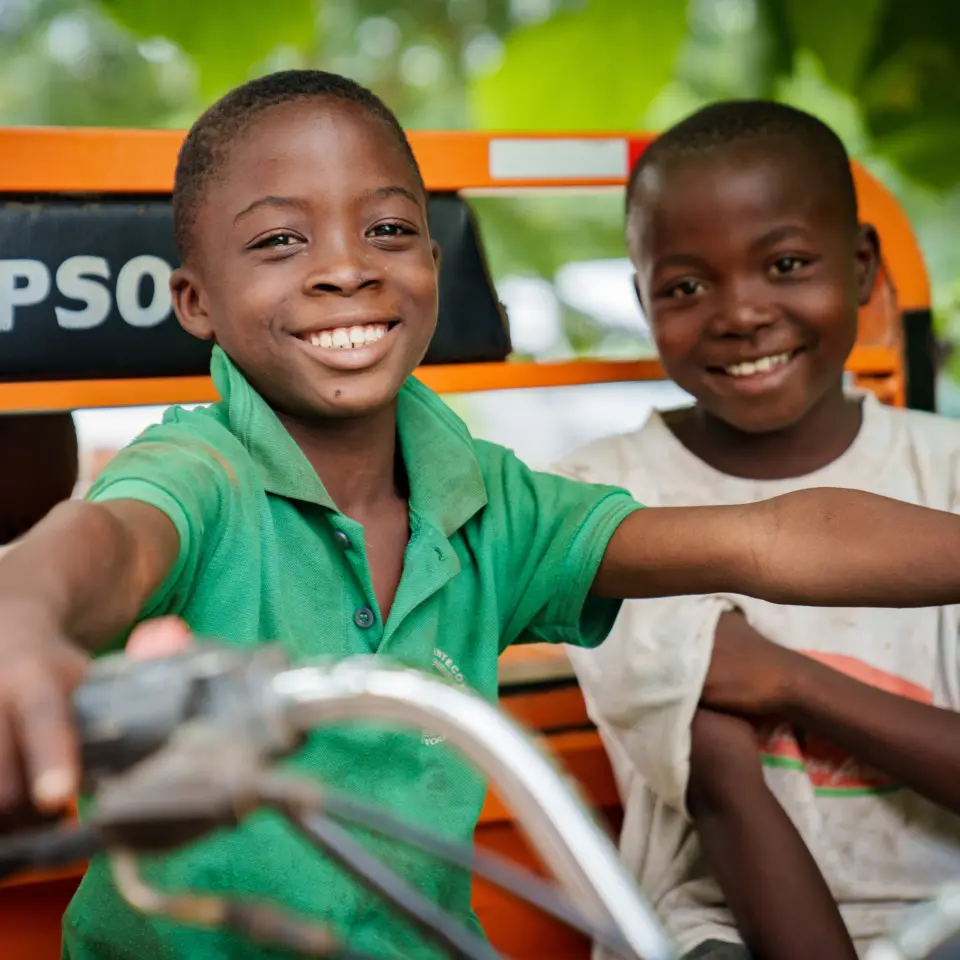
Zwei lachende Kinder auf einem Tricycle im PROJECT TOGO: Ein Beispiel für die soziale Unterstützung (Contribution) durch Partner wie Gebrüder Weiss im Klimaschutzprojekt in Togo.

A project that grows — just like the trees there.

PROJECT TOGO combines climate action with benefits for people and environment.

What grows there is not a single element but a combination of reforestation, biodiversity, education and improved living conditions.

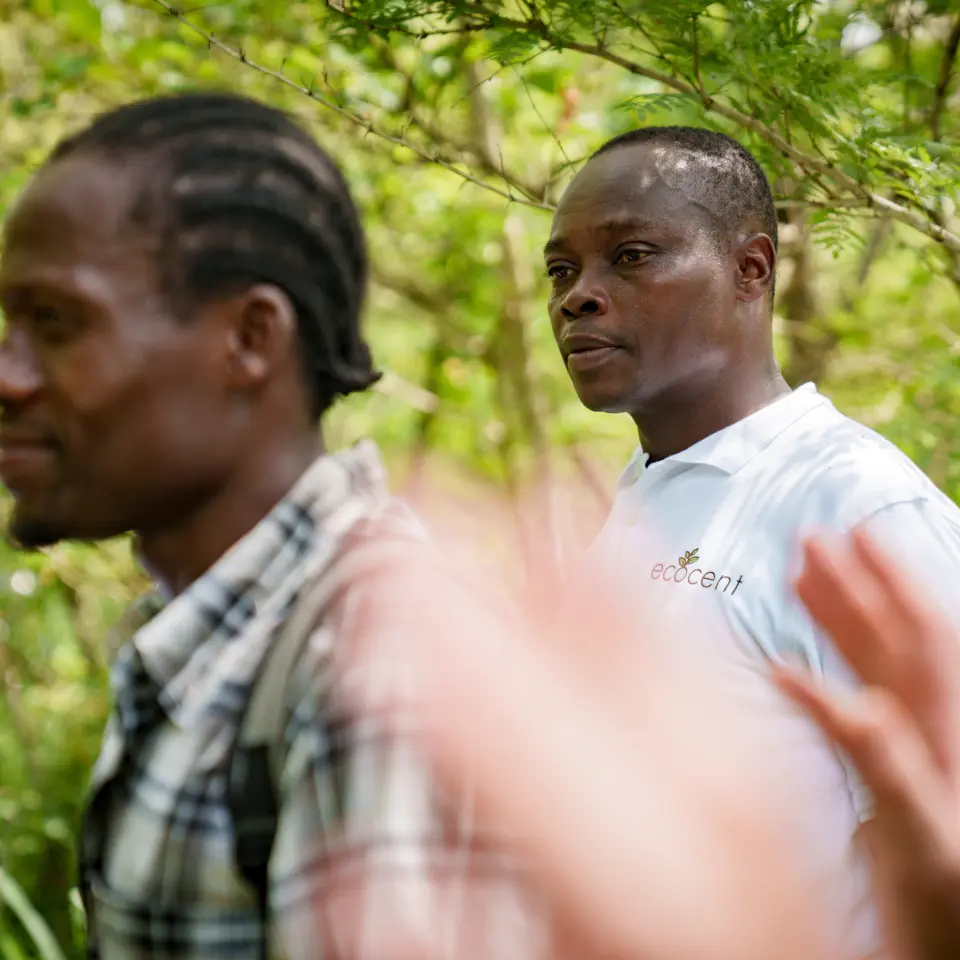
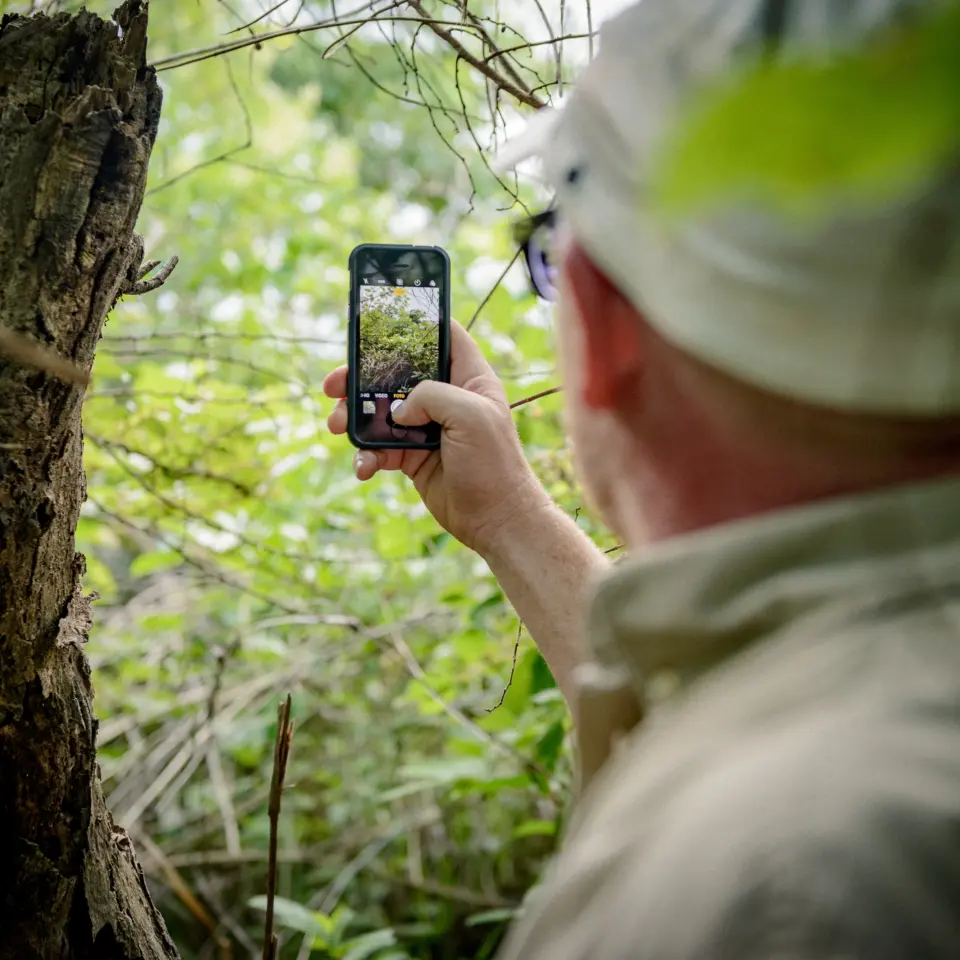
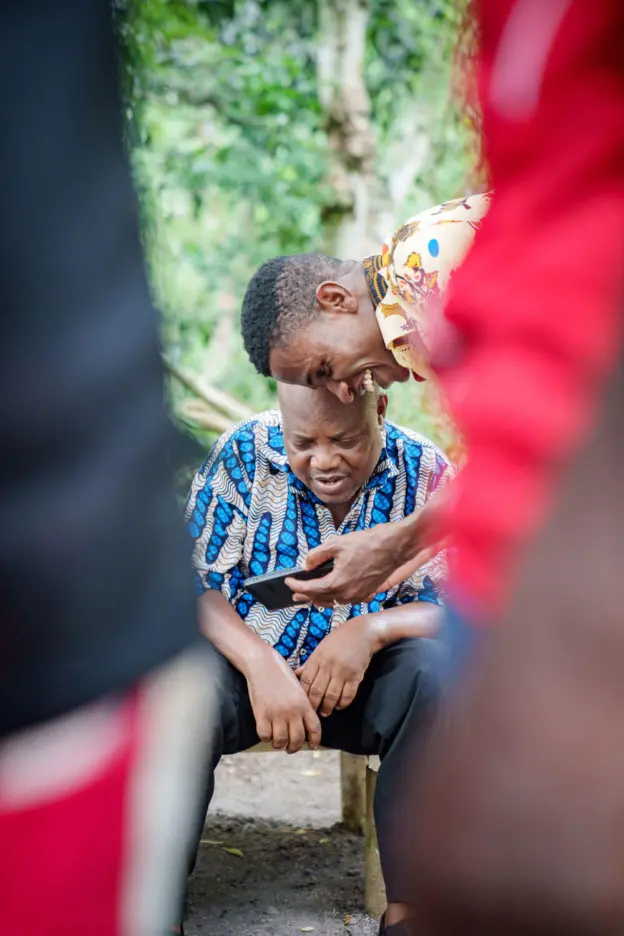
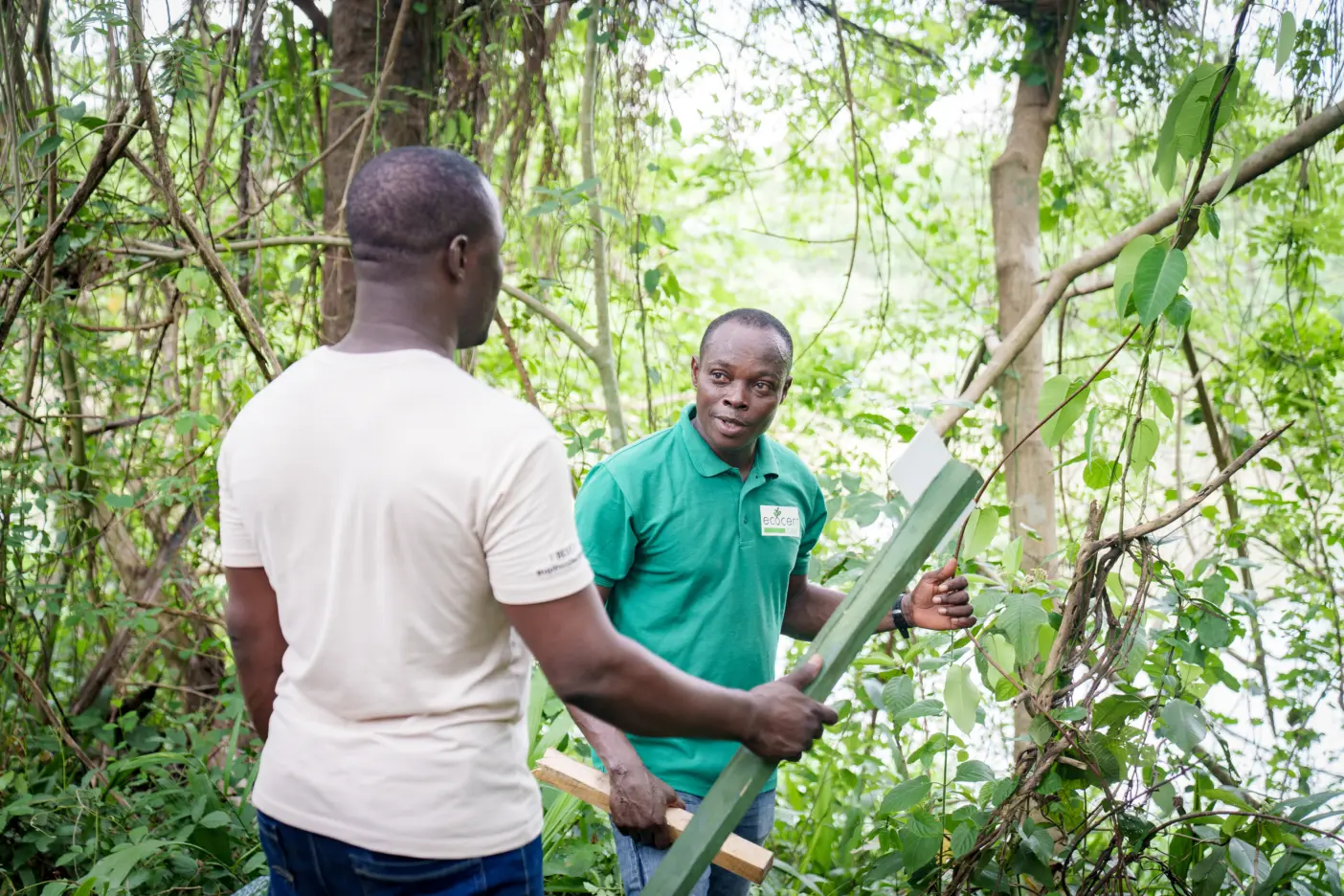
Der lokale Förster von PROJECT TOGO führt Gäste über die aktiven Aufforstungsflächen: Monitoring und Vor-Ort-Besuch zur Überprüfung der Naturwald-Entwicklung.

A project that uses nature as part of the solution.

PROJECT TOGO is one of the Nature-based Solutions.

Approaches where ecological + social impact come together: reforestation, healthy soils, water, biodiversity and improved living conditions.

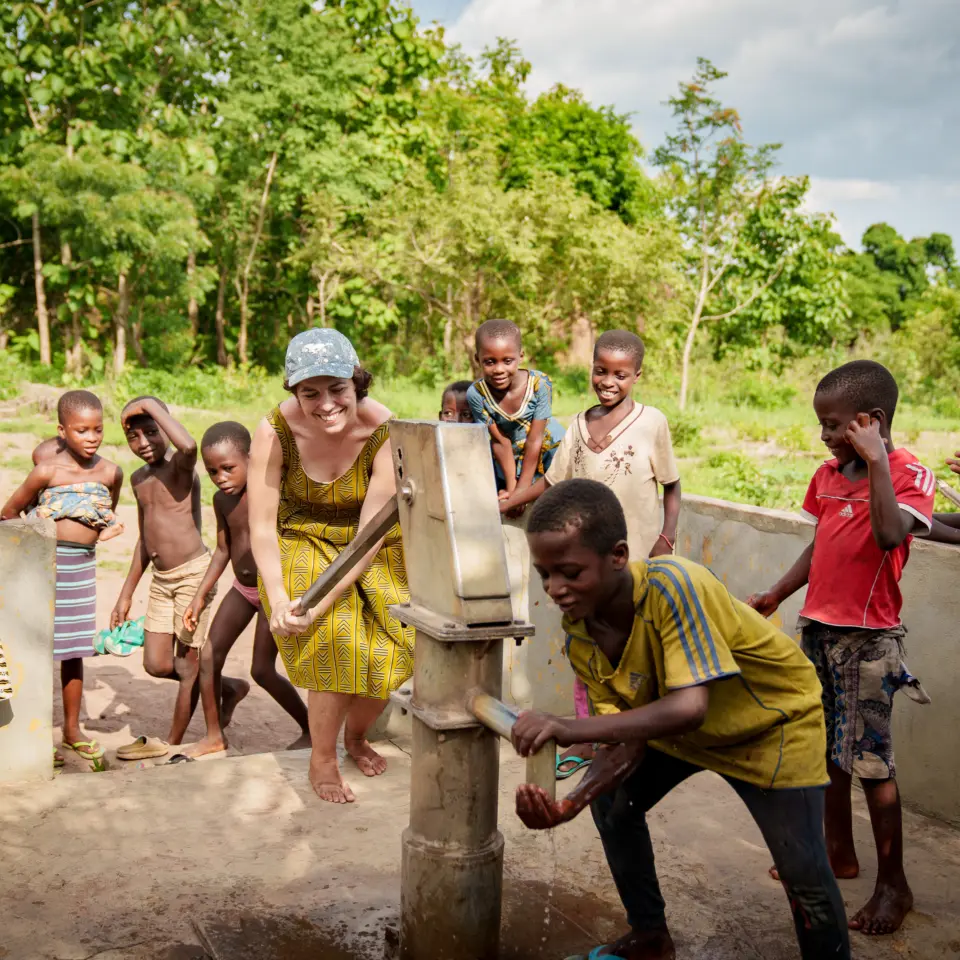
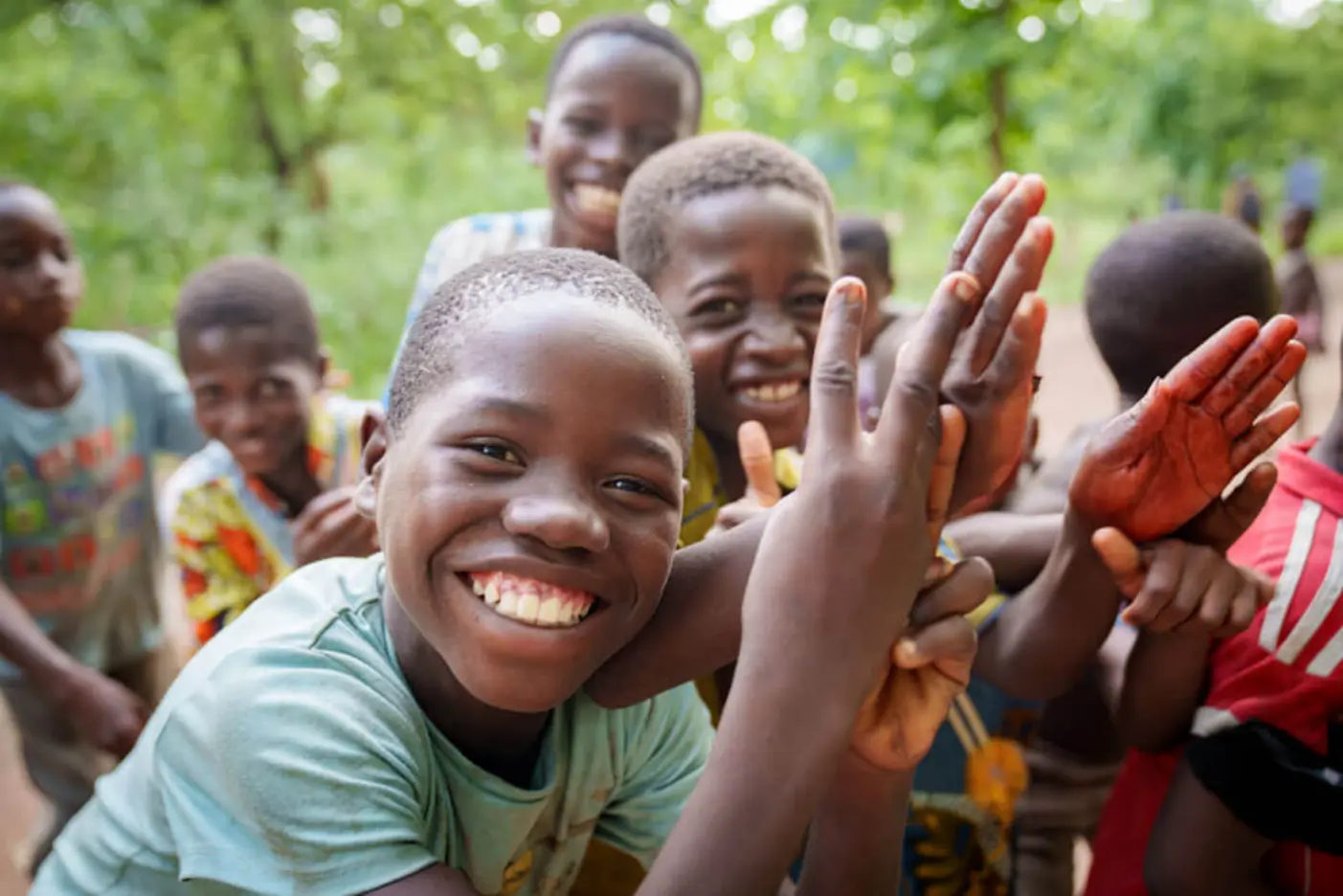
Kinder und eine Mitarbeiterin freuen sich über sauberes Wasser an einem von natureOffice gebauten Pumpbrunnen in Togo: Förderung der lokalen Infrastruktur und Lebensqualität.

An approach that supports several goals at once.

That’s why PROJECT TOGO is considered a contribution to several UN Sustainable Development Goals.

In total, it meets 12 of the 17 SDGs — from ecological foundations to tangible social improvements in daily life on the ground.

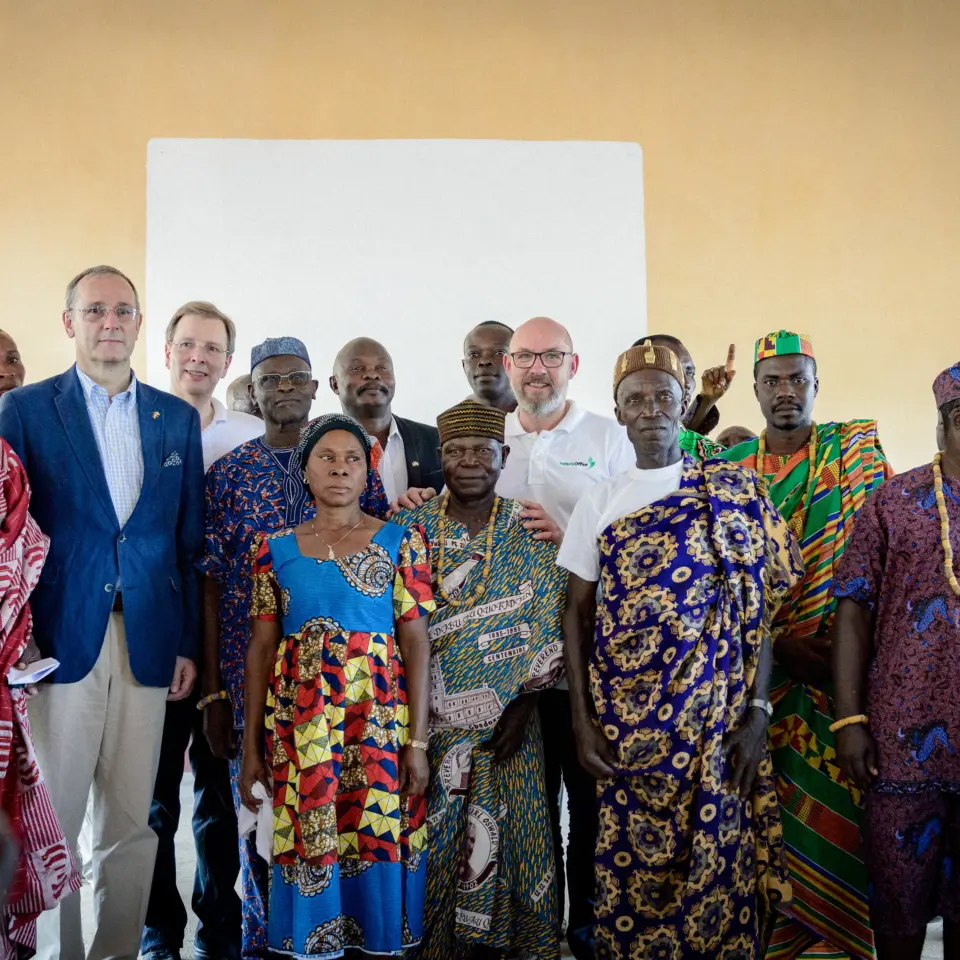
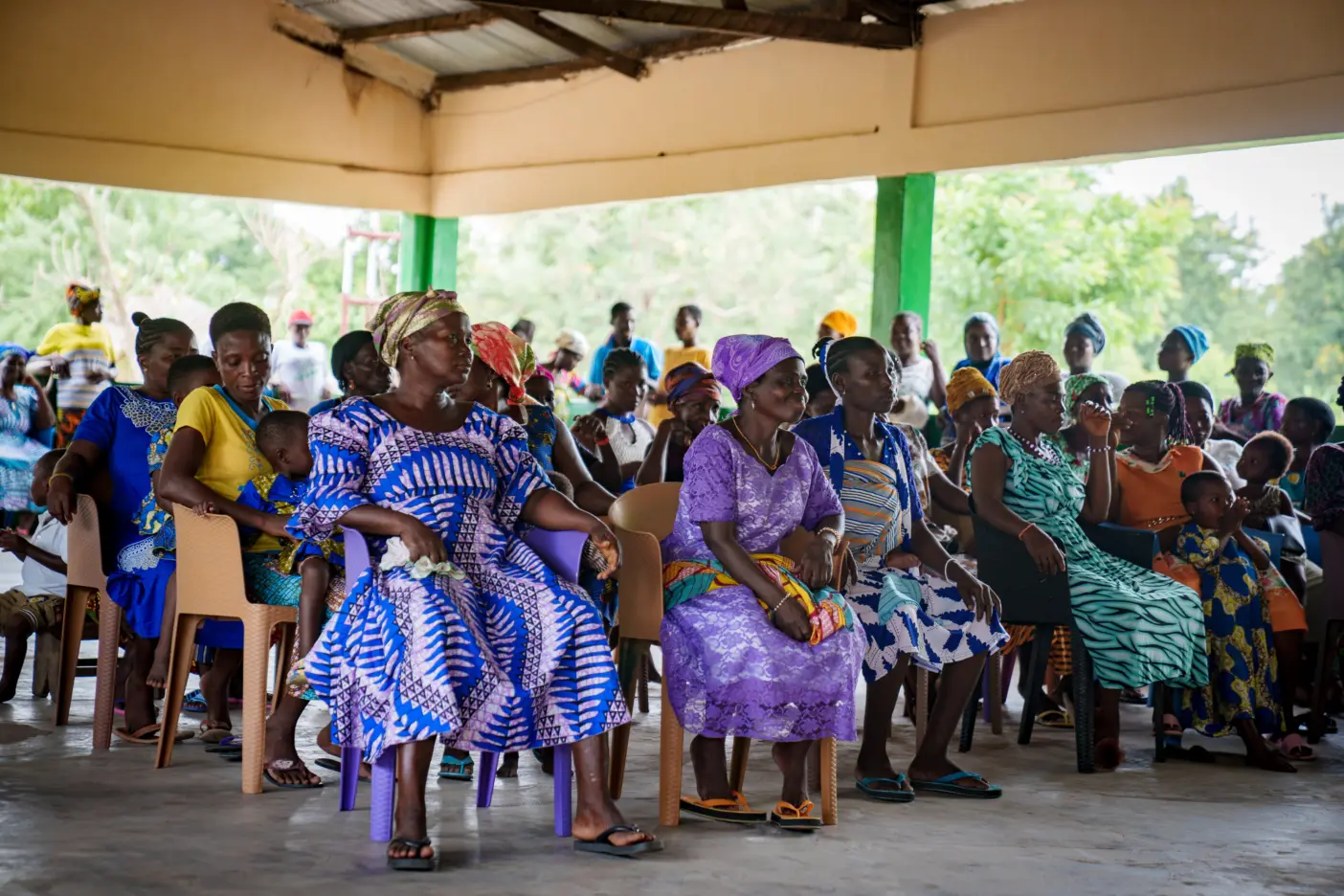
Gruppenfoto im Versammlungshaus in Togo: Andreas von natureOffice im Dialog mit lokalen Oberhäuptern und dem deutschen Botschafter zur Förderung der nachhaltigen Entwicklung.

Well known in expert circles — far beyond the CO₂ field.

PROJECT TOGO has been recognised for many years in various professional and political contexts.

This is mainly because the project has shown clear, measurable impact over the years — both ecological and social.

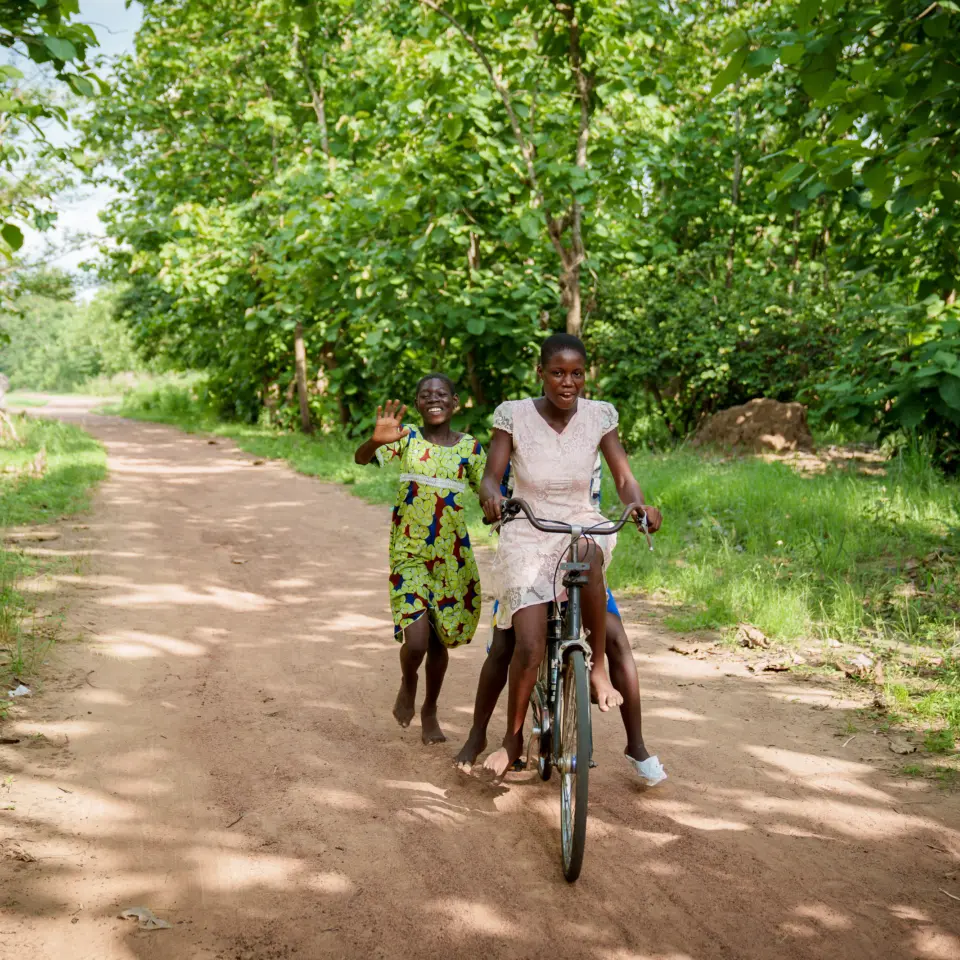
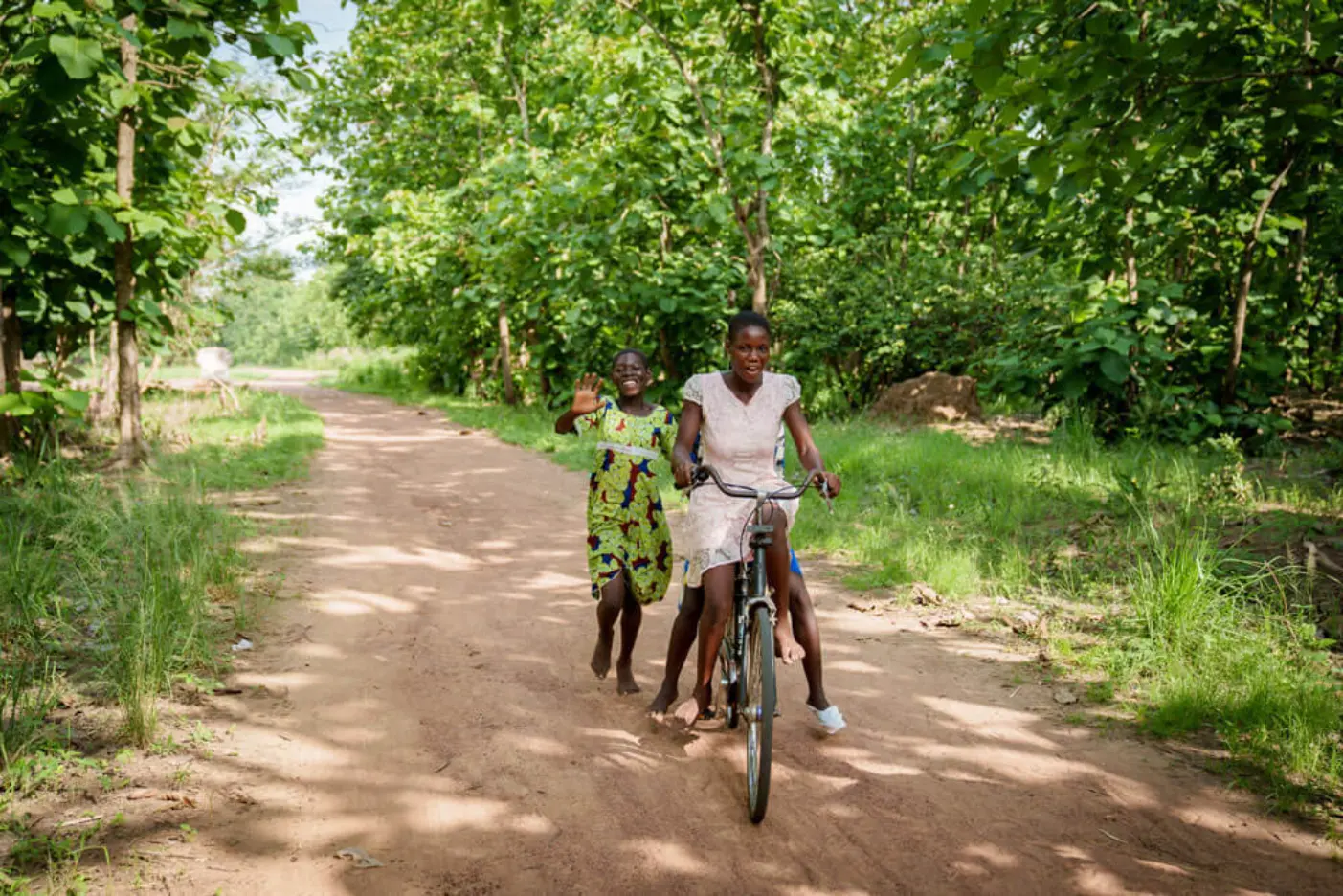
Zwei lachende Mädchen mit einem Fahrrad im PROJECT TOGO: Unterstützung der Mobilität und Bildungschancen durch die Fahrrad-Spendenaktion des ecocent e.V. in Westafrika.

Become part of the 2025 + 2026 bicycle donation campaign

An easy route to school is anything but easy for many children in Togo.

In Togo, for many children the hardest part doesn’t start in the classroom, but already on the way there.

PROJECT TOGO in Context

Properly funded, clearly structured and regularly reviewed on site – ensuring the project’s long-term continuity.

PROJECT TOGO combines nature-based forest restoration with clearly defined social structures.

The forest is the foundation.
However, for restoration to succeed in the long term, stable local conditions are essential. That is why we invest in parallel in income generation, education and infrastructure.

These measures are not incidental. They follow a clear logic: those who benefit from the project help protect it. When economic perspectives exist, reliance on short-term exploitation or harmful practices decreases.

This creates a resilient system around the forest – ecologically and socially.

What’s really taking shape in Togo

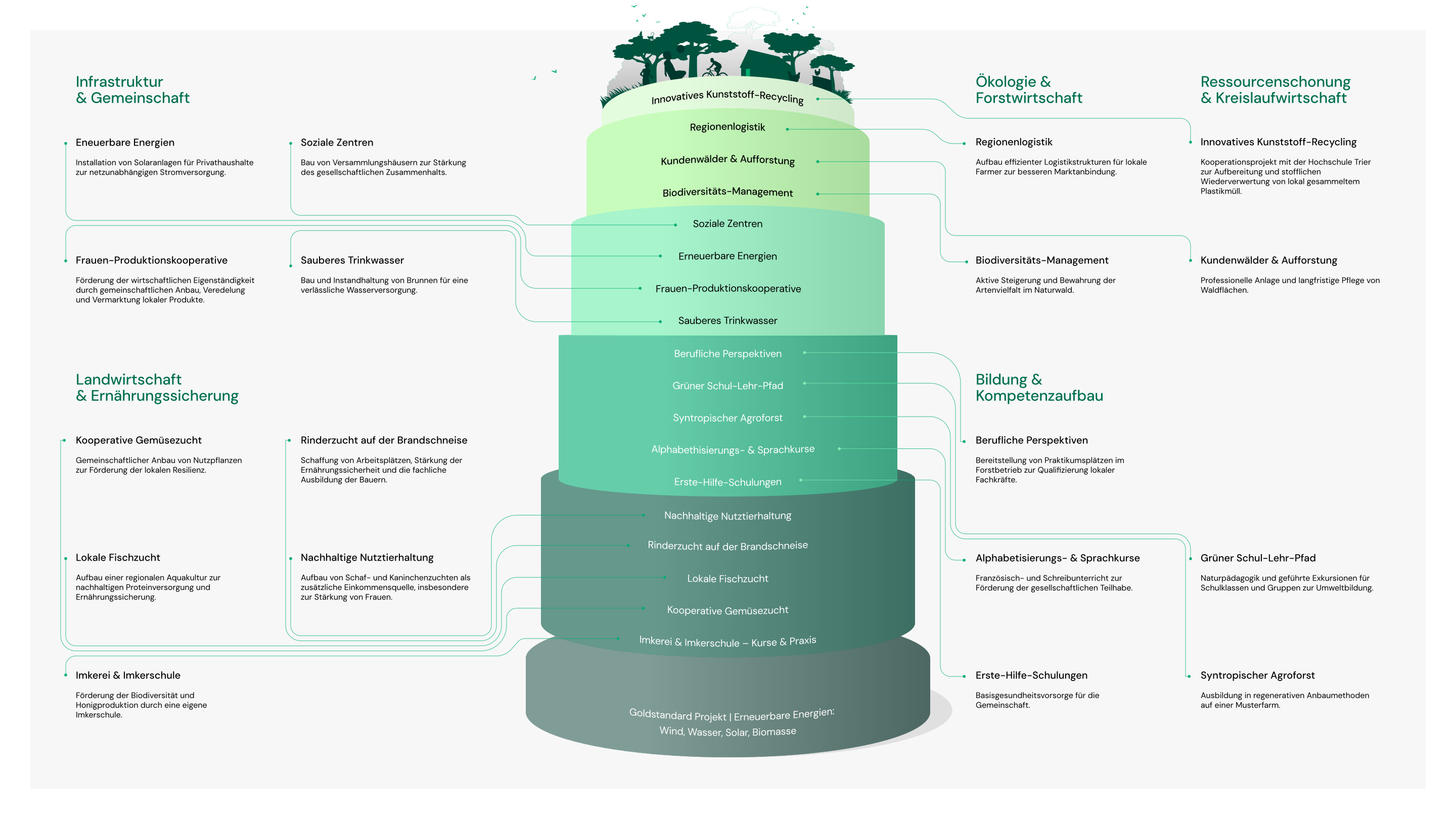
For those of you who don’t yet know our PROJECT TOGO: here’s an overview of the social initiatives that are growing alongside the natural forest reforestation work.

  • PROJECT TOGO is our vision of modern, holistic climate protection in Togo.

    For natureOffice, this means far more than planting trees: we see ecological reforestation as inseparable from social responsibility.

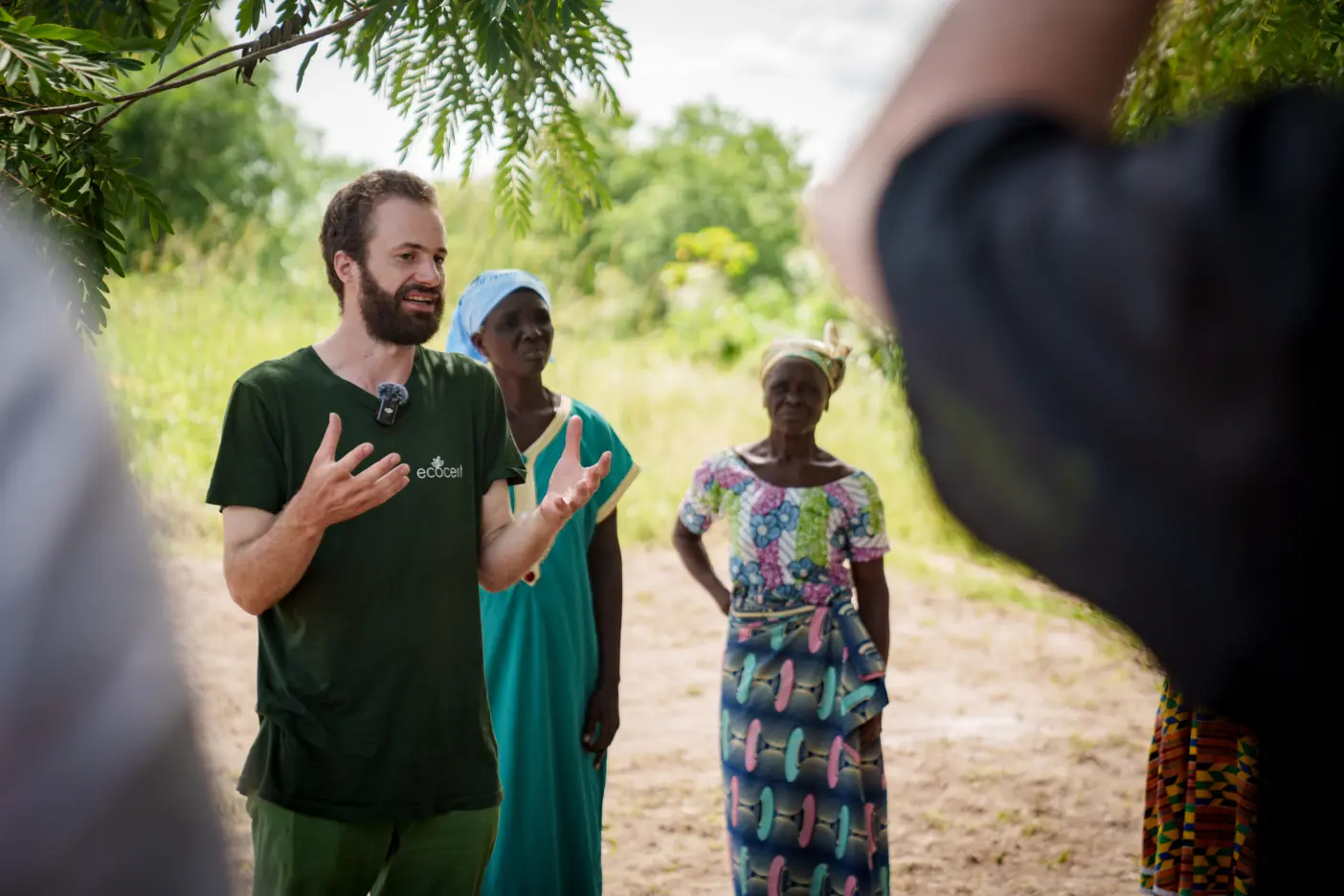
    Our approach is based on participation — no idea is imposed from the outside, but developed together with the local community through conversations and on-site visits.

    This creates solutions that transform degraded land into valuable ecosystems while providing people on the ground with long-term, resilient livelihoods. 
    A project created by people, for people — and for nature.

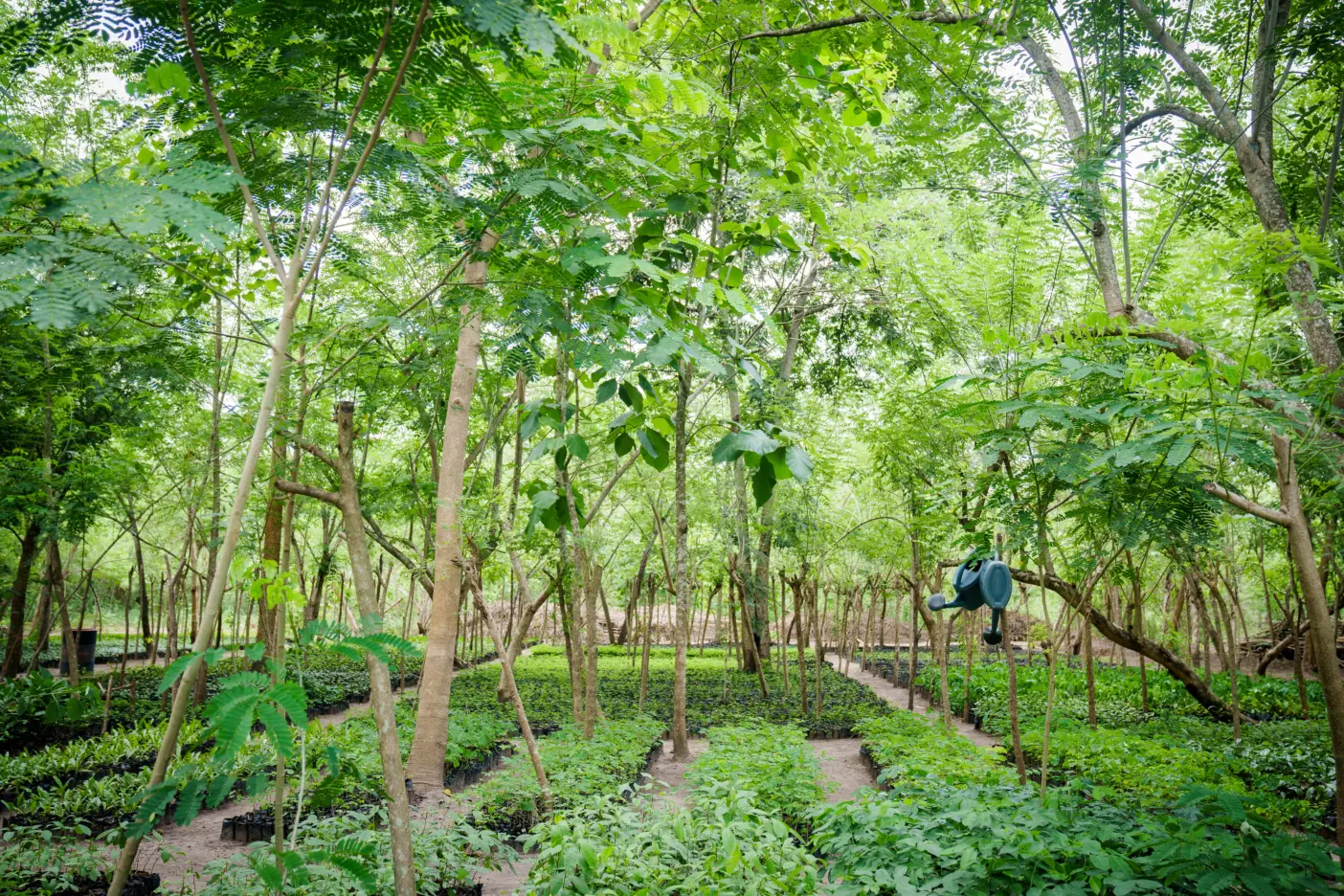
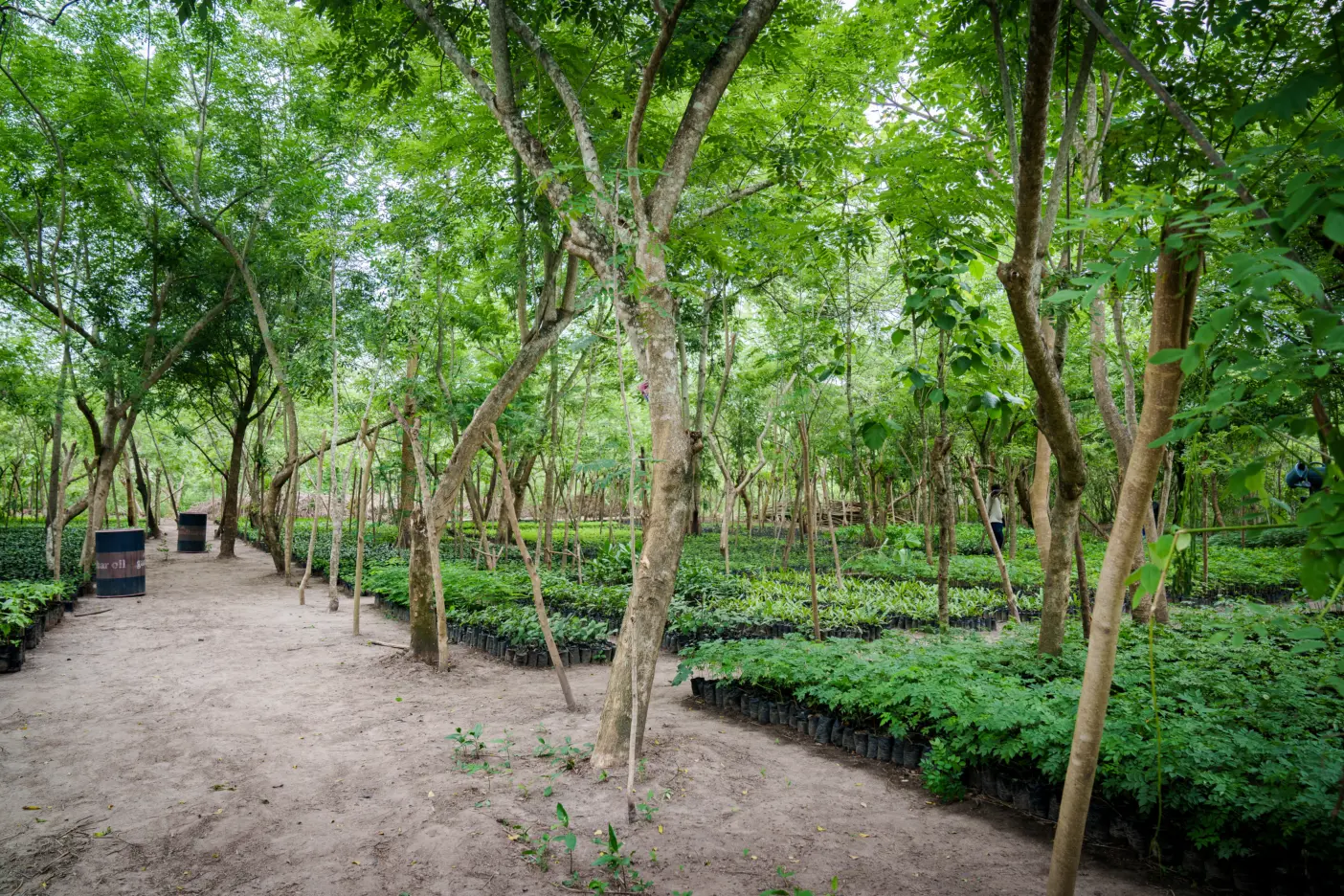
  • On former fallow land, we are bringing new, wild natural forest to life.
    Our guiding principle is a strict no-logging policy: every tree here is allowed to grow old.

    We plant only native species, giving the forest an initial boost so it can later regenerate and spread naturally.

    This growing natural forest is a powerful climate protector, storing CO₂ not only in its biomass but also in the regenerated forest soil.

    In this way, we create a protected refuge for flora and fauna — a place that can develop freely on its own.

  • Real climate action only works when it benefits the people as well.

    That’s why PROJECT TOGO creates far more than green spaces: we secure long-term jobs in forestry and improve quality of life through well construction and food security.

    From the beekeeping school to sheep and fish farming, all the way to innovative agroforestry systems that generate high yields on small areas — we support diversity.

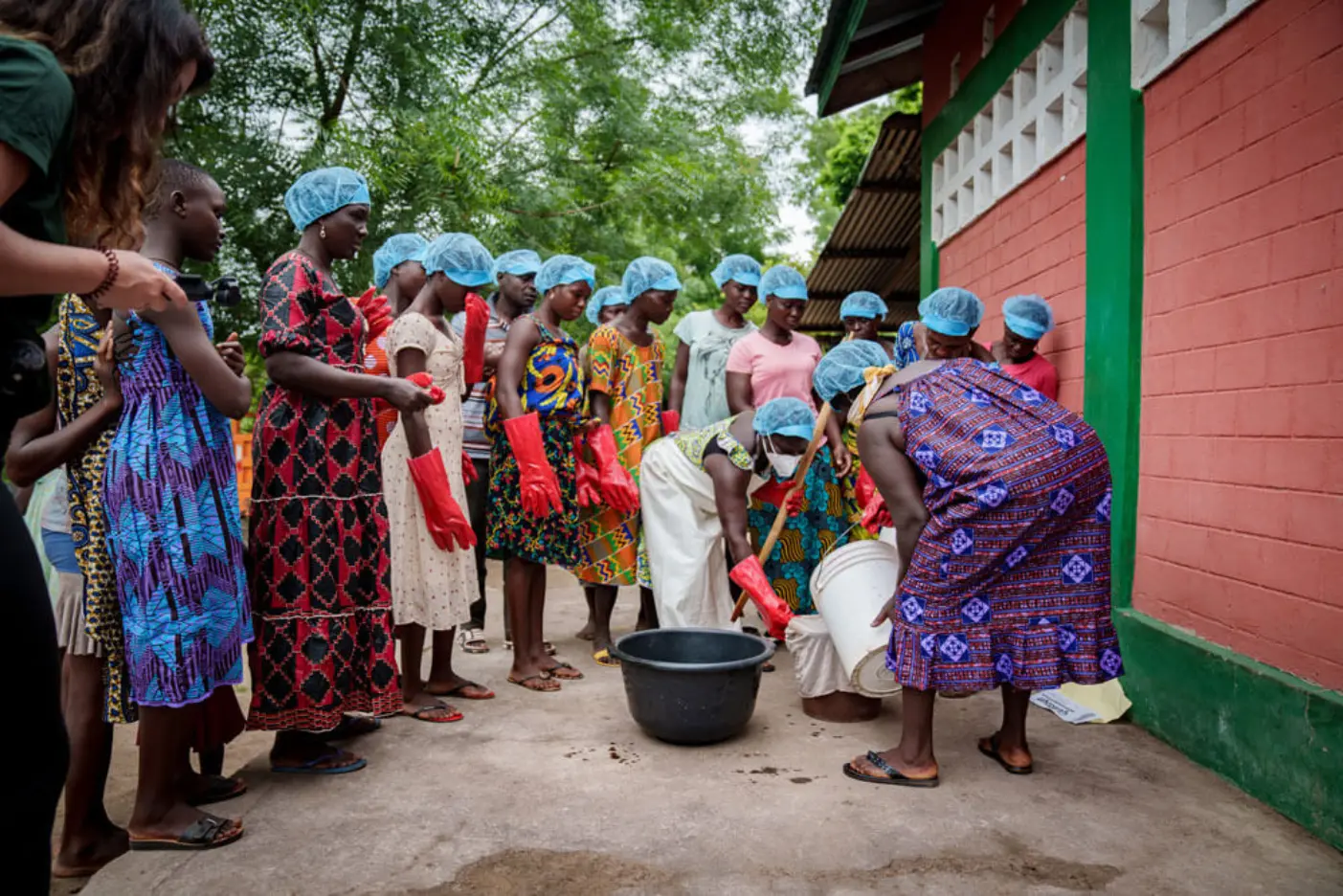
    We are especially proud of the women’s cooperative, which not only grows agricultural products but also processes them locally.
    This keeps the value creation within the community and builds real independence.

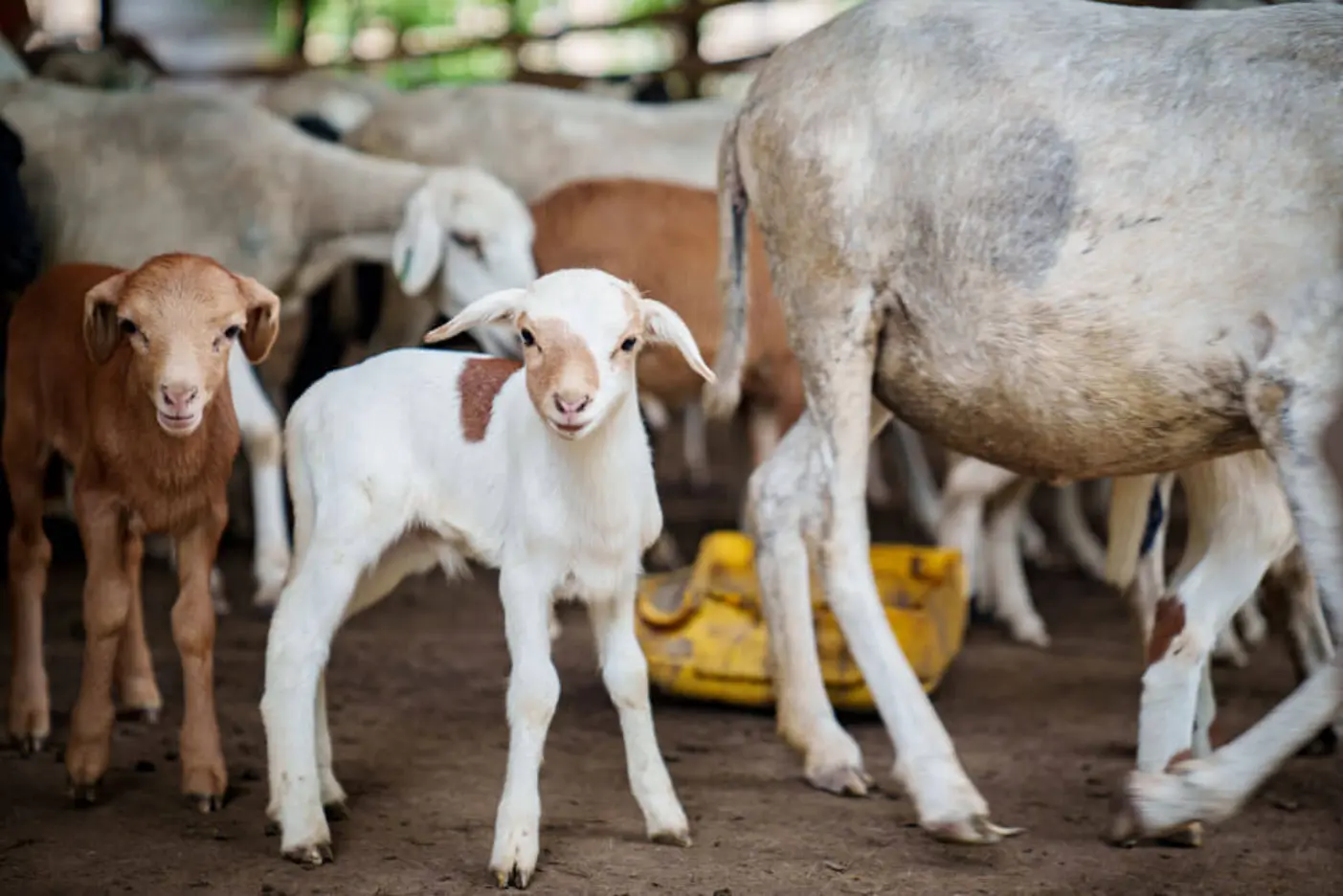
  • Our sheep farming initiative is a prime example of integrated nature conservation.

    It provides the local community with access to affordable meat and reduces the need to set risky fires for hunting wildlife — a major cause of forest damage.

    We also share essential knowledge about healthy animal breeding (including how to avoid inbreeding) and employ our own veterinarian.

    The animals contribute in a very practical way as well: they graze along the firebreaks and act as natural lawn mowers, keeping these areas free from flammable biomass.

  • This project combines training with nature conservation.

    Each year, we train local beekeepers who can support an entire family with just a few hives, thanks to the high value of honey in Togo.

    The bees themselves do double duty: they pollinate the plants and, thanks to the defensive nature of the African wild bee, act as a natural protective barrier against illegal entry into the forests.

  • Clean water is a human right — but in Togo, it’s far from guaranteed.

    Instead of relying on unsafe, stagnant water sources, our partner villages now draw their water from modern deep wells (up to 120 meters).

    With the help of solar pumps and water towers, we ensure hygienic access to clean water for drinking, cooking and washing.
    We also take care of ongoing maintenance and water quality testing.

    The result: a noticeably healthier village community and a significant decrease in infectious diseases.

  • We offer women targeted educational opportunities — from literacy and French courses to workshops on starting a business and developing business plans.

    Because the courses are led by local trainers, they are culturally rooted and accessible to women of all ages.

    Thanks to a new solar system, we’re now independent of the power grid: this makes it possible to teach after sunset and provides the technical foundation for future computer courses and digital education.

  • We replace expensive imports with local production: our fish farm supplies the community with fresh fish and currently provides eight permanent jobs.

    We rely on smart circular systems: the nutrient-rich water from the fish ponds serves as the ideal fertilizer for the adjoining organic garden, where healthy vegetables are grown for the region.

    Since the facility is located along a firebreak, it also helps monitor and protect our natural forests.

  • To address the unpredictability of climate change, we are testing a new cultivation model for Togo on 50 hectares.

    In a dense multi-layer system, we combine a wide variety of plant species. This protects the soil from drying out, increases yields on small areas, and — thanks to its diversity — provides a natural safeguard against crop failures.

    Connected to the site is our own training center, where we show farmers how to manage their fields in a more climate-resilient and productive way.

  • From individual effort to collective strength: in our women’s cooperative, 25 families have joined forces to grow and harvest together.

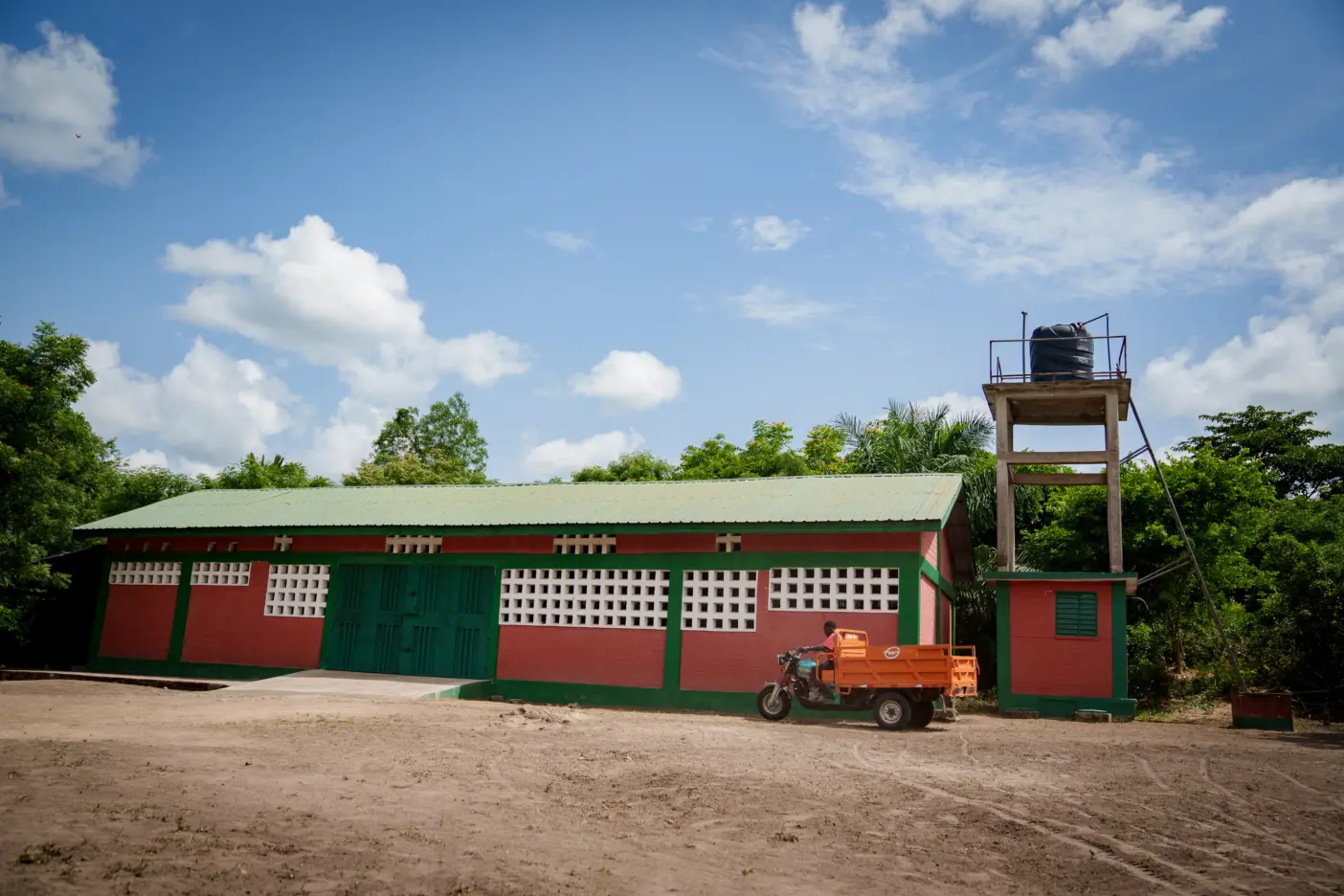
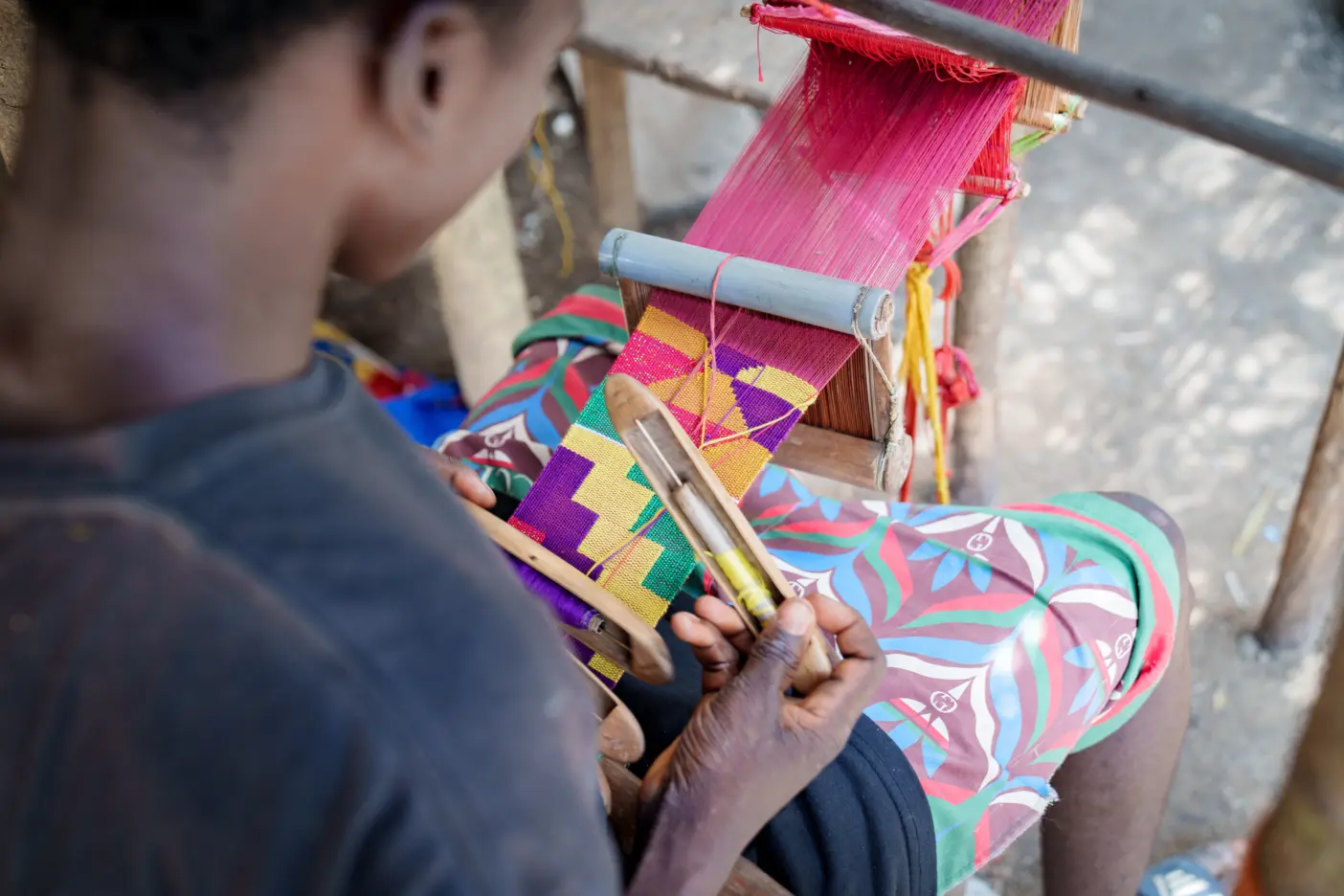
    In a newly built processing facility, the women refine their raw products (for example with a milling machine) directly on site.
    Because most of the value lies in processing, incomes rise significantly for everyone. At the same time, the cooperative provides social security: if someone is unable to work, the group carries the load.

    A model of success that funds education and helps pave the way out of poverty.

  • A major obstacle for farmers had long been the high cost of transporting their goods to distant markets.

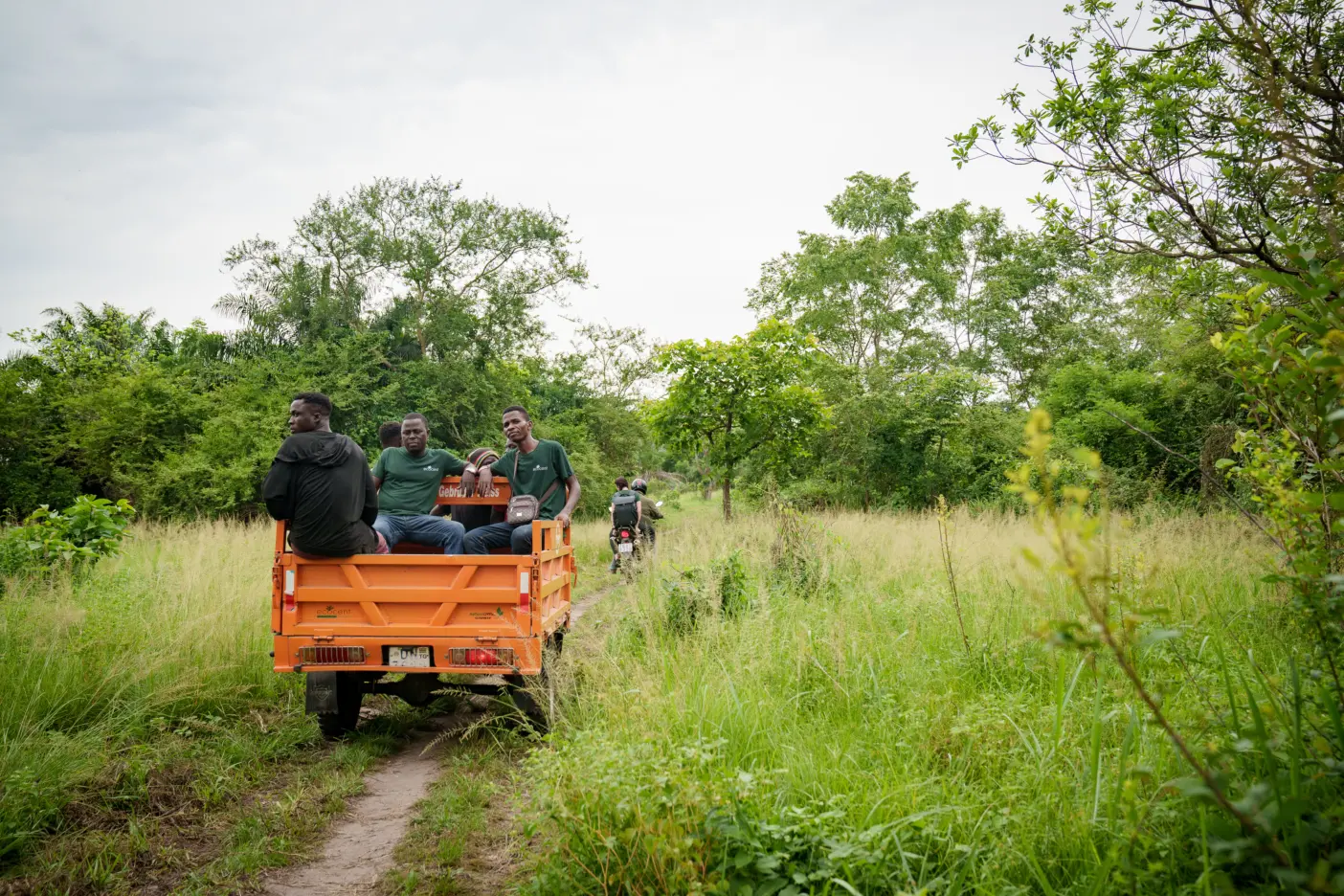
    With the help of three tricycles (cargo motorcycles) donated by the logistics company Gebrüder Weiss, we’ve been able to solve this problem. The vehicles transport the harvest from remote villages directly to the trading centers.

    This ensures market access and guarantees that families can actually earn an income from the products they grow.

  • In six of our partner villages, we have installed central loudspeaker systems on tall masts.

    They solve a major communication challenge in the widely scattered settlements. The systems serve a double purpose: they make organizing community life easier (for example, calling people to meetings), but their primary role is a vital early-warning system.

    In case of fire or any other danger, the entire community can be alerted within seconds.

  • Together with the Red Cross, we train villagers in first aid and provide them with the necessary equipment. For fast transport to hospitals, we use our tricycle logistics vehicles.

    We are currently expanding our work significantly in the area of maternal care: with mobile midwives, we improve hygiene during childbirth and actively combat child mortality in the villages.

  • In close cooperation with the nearby state agricultural school, we are training the next generation of conservationists.

    We offer students highly sought-after internships in which they experience the entire life cycle of a natural forest. Their training covers everything from collecting rare seeds in the wild to nurturing young plants and strategically planting them in symbiotic tree groups.

    In this way, the students become important ambassadors of our vision and carry the knowledge of ecological forest management into the future of Togo.

  • Lack of hygiene is a major cause of disease.

    To prevent germs from entering the food chain through open defecation, we work together with the villagers to build sanitary facilities.

    We use the dry toilet system: it separates liquids from solids. The composted residues are later used as valuable fertilizer.

    In this way, we create hygienic standards and protect health while also closing ecological nutrient cycles.

  • To enable women who are heavily tied to household responsibilities to earn their own income, we support rabbit farming directly at their homes.

    After a professional six-month training program (including stable construction and basic veterinary knowledge), we equip the participants with all the infrastructure they need.

    This creates a flexible and reliable source of income for many women — one that fits alongside childcare and strengthens the financial independence of their families.

  • We brought a tradition from northern Togo to the south: the use of donkeys as working animals.

    Because donkeys were unfamiliar in the project region, we started with two animals to demonstrate in practice how much these helpers can ease heavy physical work — especially when transporting loads.

    The experiment succeeded: initial skepticism turned into enthusiasm, and many families have since followed the example and acquired their own donkeys to lighten their daily workload.

  • To stop the pollution of the landscape caused by plastic waste, we launched an innovative recycling project together with Trier University of Applied Sciences.

    After conducting a detailed waste analysis, we identified the black market bags as the main issue. Today, we collect them during community campaigns and process them in the villages into new products such as mats, ropes and bowls.

    The project is designed for the long term: the goal is to build a professional recycling chain in which plastic is shredded and then resold or processed as granulate in a profitable way.

Gold Standard as an Additional Safeguard

The formal CO₂ compensation is carried out through external, Gold Standard-certified renewable energy projects.

The solar project in Bhadla (India) complements the biological impact of PROJECT TOGO with a technical component.

The plant generates electricity from solar energy and feeds it into the public grid. In doing so, it replaces fossil-based power generation and demonstrably reduces greenhouse gas emissions. These emission reductions are monitored, verified and retired in accordance with the Gold Standard.

This creates a separate and clearly defined safeguarding layer alongside the nature-based forest restoration.

Classification and transparency

PROJECT TOGO+ combines nature-based forest restoration with a separate safeguarding component based on Gold Standard-certified renewable energy projects (e.g. solar energy).

The CO₂ removals in the forest project are based on documented land and inventory data as well as regular on-site monitoring. Calculations follow recognized methodological approaches for afforestation and nature-based solutions projects.

The additional safeguarding through energy projects relies on verified emission reductions calculated in accordance with Gold Standard methodology, independently verified and transparently recorded in the registry. Certificates are issued and retired only after successful third-party verification.

The clear separation between biological CO₂ removal and external certificate retirement ensures transparency in the project logic. Risks arising from natural events are not concealed but structurally addressed.


Legally Robust CO₂ Compensation in a Combined Model

CO₂ compensation is subject to increased regulatory scrutiny and public attention. Terms such as “climate neutral” or “carbon compensated” require solid foundations: a proper Corporate Carbon Footprint (CCF), ideally a Product Carbon Footprint (PCF) for products, and transparent documentation of the projects and certificates used.

Within the combined model PROJECT TOGO+, three elements are essential:

  • Transparent methodology: clear separation between forest project and energy project
  • Independent verification: monitoring, validation and registration under the Gold Standard
  • Careful communication: no overstatements, precise terminology, verifiable claims

This creates a model that combines ecological impact, technical safeguarding and communication reliability.