Reforestation & social issues - Togo
PROJECT TOGO
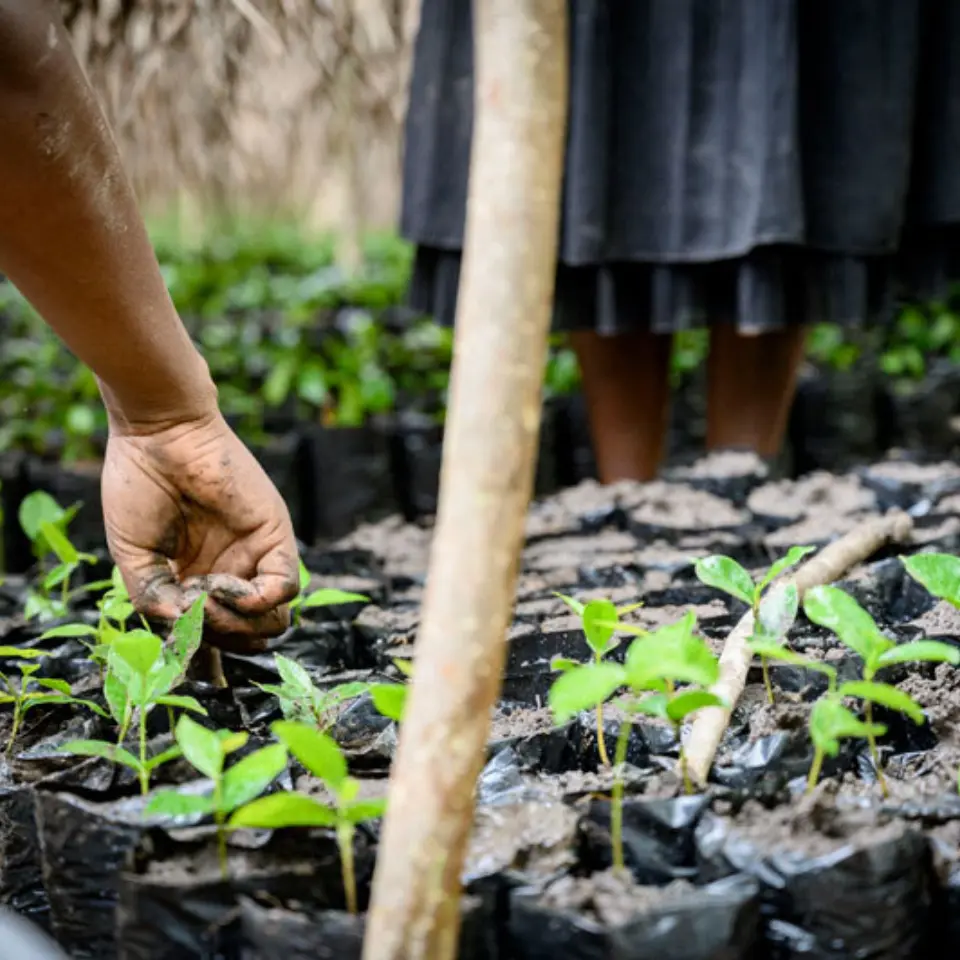
Planting trees, building schools. In Togo, we do both at the same time. Because climate protection works best with people.

For everything that remains, the SBTi also recommends supporting strong climate action projects worldwide – and cleanly offsetting unavoidable CO₂ emissions.
Simple: because a residual amount always remains.
Even with the best measures, emissions can never be reduced to zero.
This is exactly where offsetting comes in: it balances what is technically or economically unavoidable today.
Offsetting completes your climate logic: it shows how you handle residual emissions and makes communication with customers, banks and partners much clearer.

Climate action projects reduce CO₂ emissions right away — exactly where the leverage is highest. They create measurable impact in regions where every saved ton truly counts.

You can transparently demonstrate which emissions you have offset and how every ton was documented. This gives you maximum confidence in your communication and prevents misunderstandings or greenwashing risks.

CO₂ data is increasingly being requested. Offsetting adds credibility and makes companies noticeably better prepared in conversations with partners.
CO₂ offsetting becomes straightforward when the fundamentals are in place: clear data, verified climate projects and a process that reliably balances residual emissions while keeping your communication safe.

A clear process removes uncertainty: the four steps below show how to determine residual emissions, choose the right projects and offset CO₂ reliably.
We start by creating clarity: Which emissions remain after all reduction measures? These residual emissions are the basis of any credible offsetting. From here it becomes visible what actually needs to be balanced – transparent, realistic and without unnecessary complexity.
Learn more about CO₂ accountingNot every project fits every organisation. We show you which verified climate projects reliably offset your residual emissions – from renewable energy to forest protection and our own project developments. This makes the decision easy, because you can clearly see which projects deliver impact and match your goals.
View projectsFor every tonne of CO₂ offset, a certified emission reduction is required. We handle the entire process: from selecting verified CO₂ certificates to their final retirement according to international standards such as VCS or Gold Standard. This ensures your offsetting is fully traceable — and that every tonne truly counts.
Request a quoteAccurate statements about CO₂ offsetting are essential. We ensure your claims are technically correct, legally sound and easy to understand – from wording to documentation. This allows you to communicate clearly, avoid misunderstandings and meet expectations in reports, partner conversations and supply chains.
Get climate claims checkedCO₂ offsetting means balancing unavoidable residual emissions through verified climate projects. These projects either avoid or capture CO₂ – for example through renewable energy, forest protection, efficient cookstoves or clean water solutions.
Every verified reduction is issued as a CO₂ certificate and retired in official registries. This makes it transparently traceable that one tonne of CO₂ has been offset. Offsetting complements reduction – it does not replace it.
CO₂ certificates are verifiable emission reductions generated by climate projects. Independent auditors calculate how much CO₂ a project actually reduces or removes – based on international standards such as the Gold Standard, the Verified Carbon Standard (VCS) or the CDM.
When a certificate is purchased and subsequently retired, the corresponding amount of CO₂ is considered offset. The entire process is publicly traceable and prevents any double counting.
That depends on your focus:
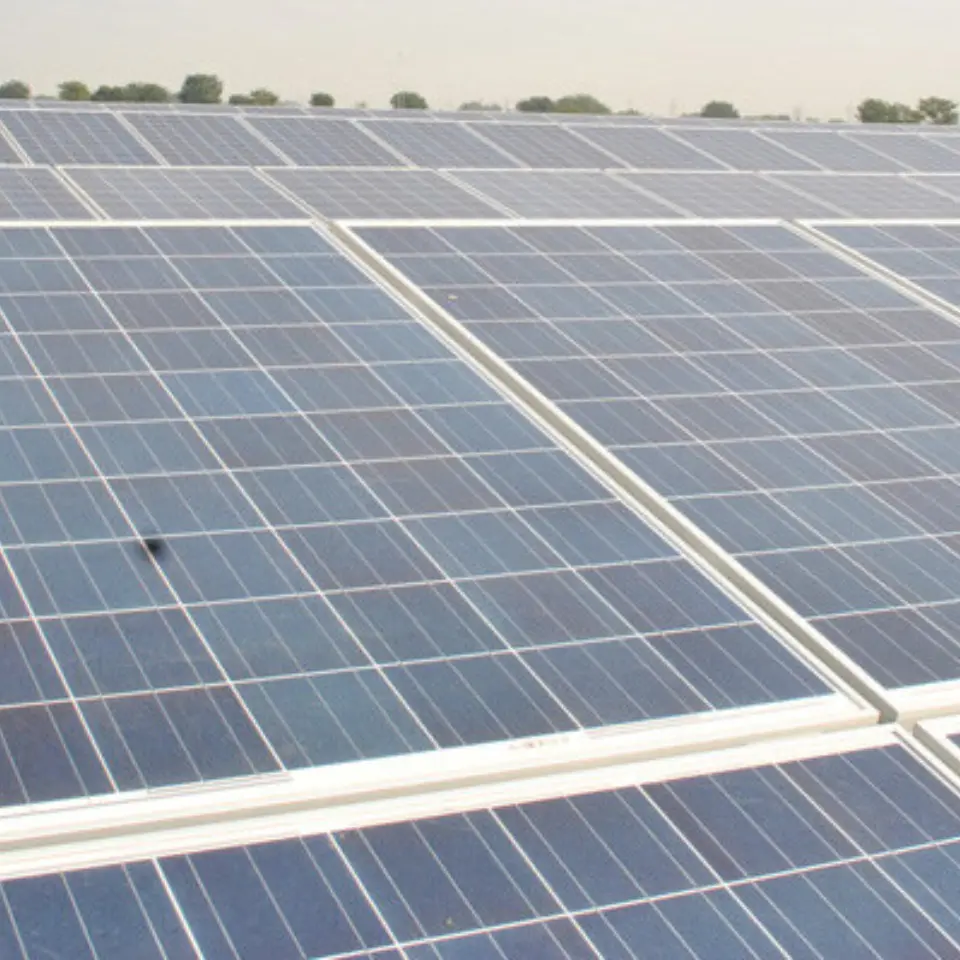
→ Renewable energy avoids CO₂ immediately.
→ Forest protection & reforestation capture CO₂ over the long term and safeguard ecosystems.
→ Clean cooking reduces fuel use, improves health and prevents deforestation.
→ Clean water avoids emissions from boiling water.
→ Community projects combine climate action with social impact.
→ Innovative technologies reduce highly potent greenhouse gases such as methane.
We provide full transparency on which project types match your goals.
No. Offsetting is the final step of a credible climate strategy – after accounting and reduction. It refers to residual emissions that are technically or economically unavoidable today.
The SBTi also recommends this approach: reduce emissions, drive decarbonisation, and offset unavoidable emissions through high-quality projects. Offsetting is therefore not a substitute, but a complement – and a sign of genuine responsibility.
There is a legal obligation only within the EU Emissions Trading System (EU-ETS) for certain sectors.
In practice, however, the pressure is increasing:
Large companies are requesting CO₂ data from their suppliers.
Banks and investors expect clear climate strategies.
The CSRD requires comprehensive transparency on emissions and actions.
Many companies therefore offset voluntarily — early clarity is a competitive advantage.
“Climate neutral” means calculating emissions, reducing them, and offsetting residual emissions through certified projects.
The term is controversial because it is often misunderstood – some mistakenly equate climate neutrality with being “emission-free.” Legally, the term is sensitive as well: claims must be accurate, verifiable and transparent.
We use the term only where the criteria are clearly met and support organisations in communicating it in a legally sound way.
Yes – but only with proper verification. The key requirements are:
→ A correct CO₂ balance
→ Clear reduction measures
→ Residual emissions that are transparently offset
→ A disclosed methodology and system boundaries
We help ensure that all statements are legally sound and avoid any risk of greenwashing.
Through transparency:
→ Which emissions were accounted for?
→ Which emissions were reduced?
→ What remains as residual emissions?
→ Which projects provide the offset?
→ Which standards verify the impact.
We support companies in formulating CO₂ communication correctly, transparently and in a way that is easy to understand — from claims to reporting.
The costs depend on two factors:
1. The amount of emissions
2.The type of project
Renewable energy projects are often more affordable, while projects with strong social impact tend to be slightly higher in price. We present all costs transparently — with no hidden surcharges — and support you in selecting a project portfolio that fits your goals.
Our CO₂ offsetting follows a clear process:
→ Determine residual emissions
→ Select a suitable project
→ Purchase and retire certificates
→ Ensure safe communication
Everything is fully documented — including an optional label and project certificate.
Yes. Many companies split their offsetting across different projects — for example, an energy project and a clean cooking project.
This increases overall impact and creates a broader social and ecological foundation. We are happy to advise on meaningful combinations.
All projects follow recognised international standards and are audited regularly. Emission reductions are calculated and published according to strict criteria.
Retired certificates can be viewed in public registries — including their serial number, quantity and project reference.
Why we do this.
for the climate and for the people on the ground.
Our PROJECT TOGO in West Africa grew out of real partnerships, not catalogue logic. We know the people, the structures and the impact firsthand.
That’s why companies can be confident: every tonne they offset supports real change — transparent, verified and built for the long term.