natureOffice Journal
All posts
Climate & Data
No
Thoughts of
In this post
Introduction
What Is Renewable Energy?
The Business Benefits of Renewable Energy
As cities expand and energy demand rises, contemporary urban areas are turning to innovative energy strategies to ensure sustainability and resilience. Smart grids, decentralised renewable systems, and energy-efficient buildings are transforming how cities generate and manage power. Urban planners are integrating solar rooftops, wind solutions, electric mobility, and advanced energy storage to reduce dependence on fossil fuels. Digital technologies and data-driven management further optimise energy use, lower emissions, and improve reliability. These innovative approaches enable cities to support economic growth, enhance quality of life, and build a cleaner, more sustainable urban future.
Contemporary urban areas face growing energy demands, population density, and environmental pressures. Innovative energy strategies are essential to ensure sustainable, reliable, and efficient power for cities of the future.
These strategies focus on optimizing energy production, distribution, and consumption through advanced technologies and smart planning. By integrating renewable energy and modern infrastructure, cities can reduce carbon emissions, improve resilience, and enhance quality of life.
Key innovative energy strategies include:
Smart grids: Efficiently manage electricity supply and demand using real-time data.
Renewable integration: Solar panels, wind turbines, and urban hydropower reduce dependence on fossil fuels.
Energy-efficient buildings: Use of LED lighting, insulation, and smart energy systems.
Energy storage solutions: Batteries and other storage technologies help balance supply and demand.
Electric mobility: Supporting electric public transport and EV infrastructure to lower urban emissions.
These approaches enable cities to become cleaner, greener, and more resilient, creating sustainable urban environments for residents and businesses alike.
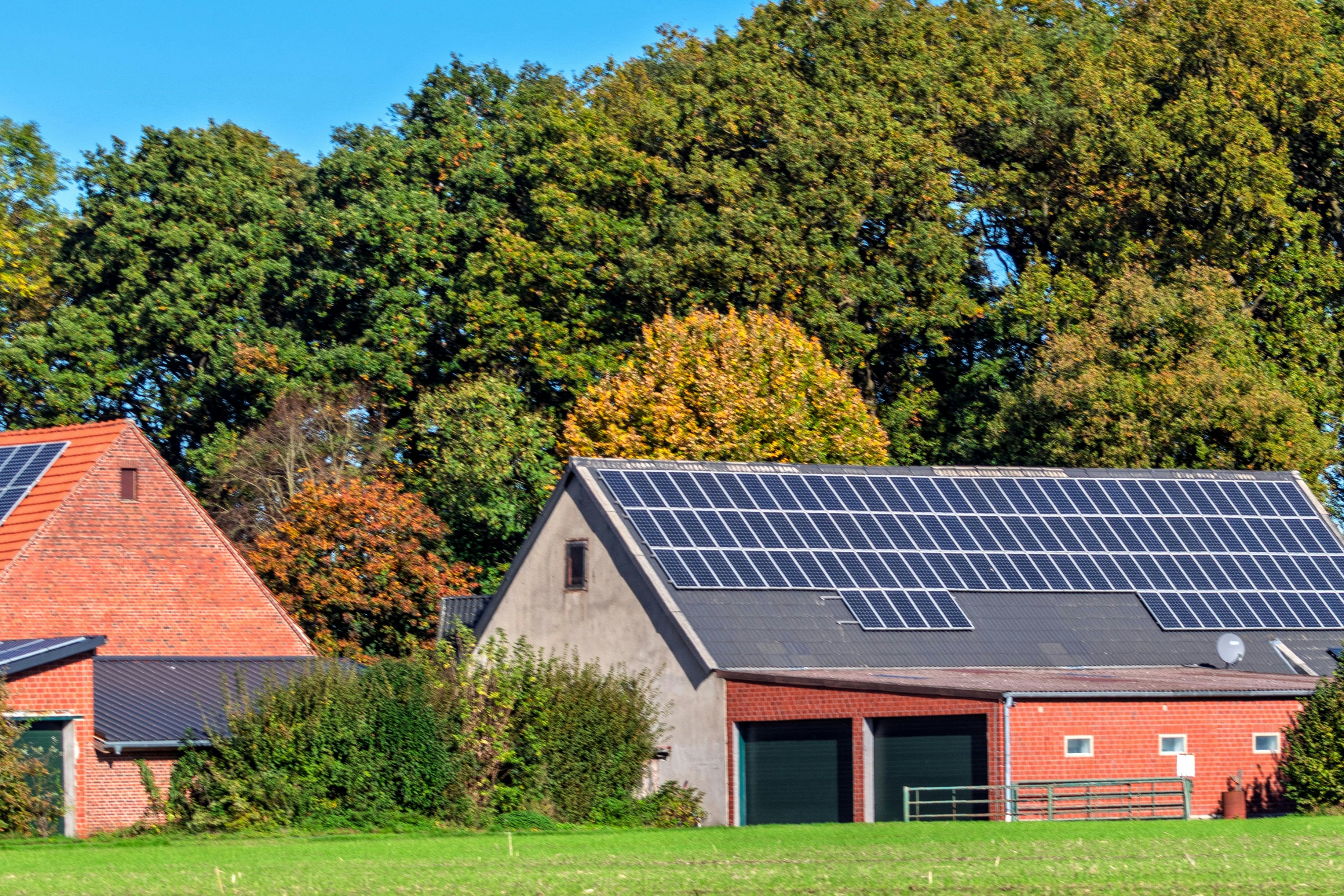
Contemporary urban areas face growing energy demand, population density, and environmental challenges. Innovative energy strategies are essential to make cities more sustainable, efficient, and resilient.
Beyond environmental benefits, renewable energy also enhances energy security and reduces long-term operational costs. Businesses that invest in clean energy are better positioned to meet regulatory requirements and stakeholder expectations.
⚡ Smart Grid Implementation
Advanced grids optimise energy distribution, reduce losses, and integrate renewable sources efficiently.
🌱 Renewable Energy Integration
Solar, wind, and other clean energy sources power urban areas sustainably, cutting carbon emissions.
🏙️ Energy-Efficient Infrastructure
Modern buildings use intelligent systems, LED lighting, and sustainable materials to reduce energy demand.
🔋 Energy Storage Solutions
Batteries and other storage technologies balance supply and demand, ensuring reliable urban power.
📊 Data-Driven Energy Management
IoT and analytics monitor usage patterns, enabling cities to optimise energy consumption and costs.