natureOffice Journal
All posts
Projects & People
No
Thoughts of

In this post
Introduction
What Is Renewable Energy?
The Business Benefits of Renewable Energy
Achieving long-term impact requires sustainability to be embedded into strategic planning and daily operations. Organisations and communities are adopting sustainable strategies that balance environmental protection, social responsibility, and economic performance. This includes efficient resource management, renewable energy adoption, ethical sourcing, and long-term investment in innovation and skills. By focusing on resilience and continuous improvement, sustainable strategies help reduce risks, strengthen stakeholder trust, and create lasting value. Over time, these approaches ensure that growth and development meet present needs while safeguarding opportunities for future generations.
Sustainable strategies focus on creating lasting value by balancing environmental, social, and economic goals. Organisations that embed sustainability into their operations can reduce risks, improve efficiency, and strengthen their reputation while supporting long-term growth.
These strategies emphasise proactive planning and responsible decision-making to ensure that today’s actions do not compromise future generations.
Key sustainable strategies include:
Resource efficiency: Minimising waste, optimising energy use, and conserving water.
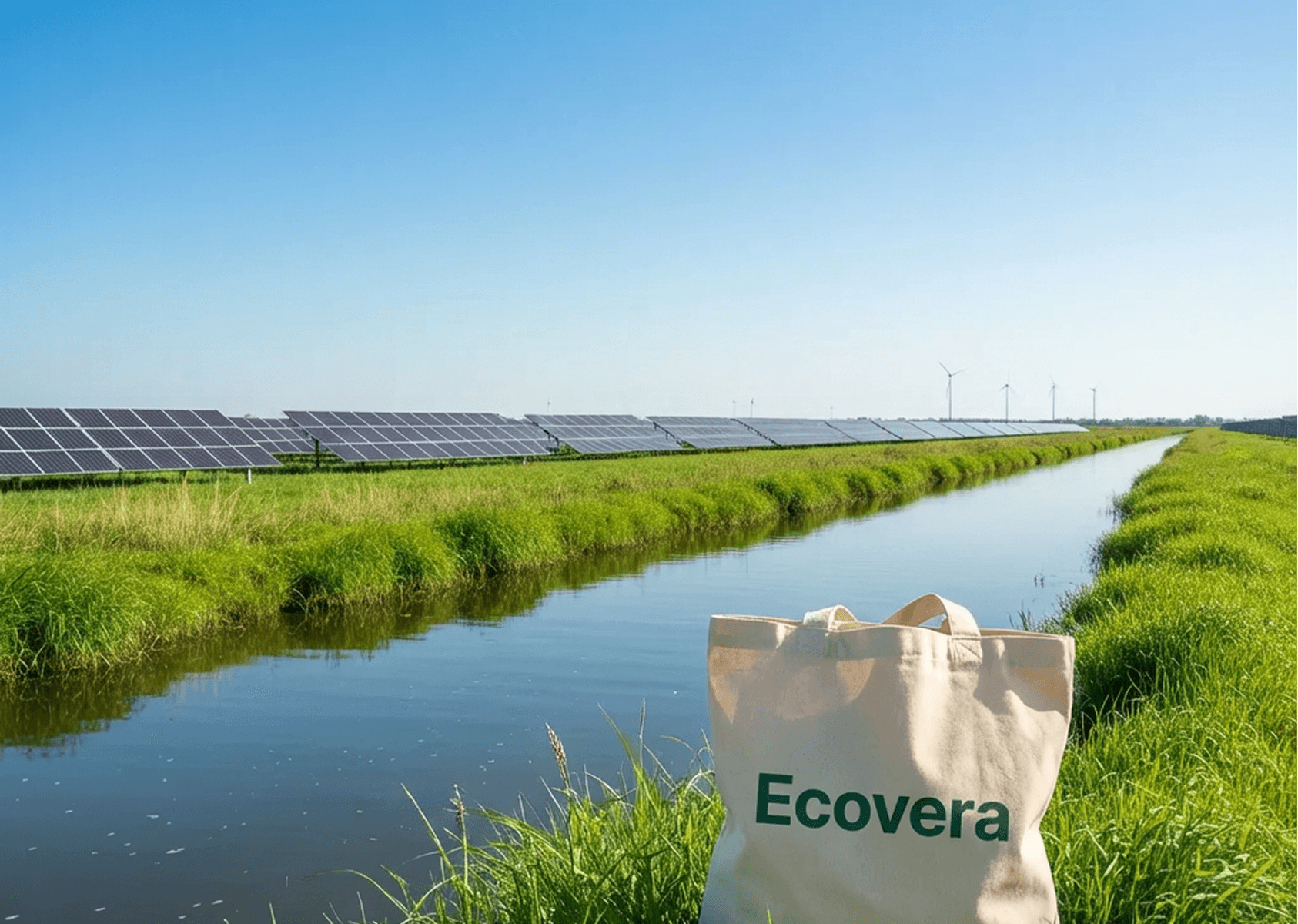
Renewable energy adoption: Reducing reliance on fossil fuels and lowering emissions.
Ethical sourcing: Ensuring supply chains respect environmental and social standards.
Circular economy practices: Reusing, recycling, and designing products for longevity.
Stakeholder engagement: Building trust with employees, customers, investors, and communities.
By implementing these strategies, organisations can achieve measurable environmental impact, operational resilience, and long-term success.

Sustainable strategies focus on creating lasting value by balancing environmental, social, and economic priorities. Organizations that integrate sustainability into their core operations can reduce risks, improve efficiency, and strengthen stakeholder trust while supporting long-term growth.
Resource Efficiency
Optimising energy, water, and materials reduces waste and operational costs over time.
⚡ Renewable Integration
Incorporating solar, wind, and other clean energy ensures long-term environmental and financial benefits.
🤝 Stakeholder Engagement
Collaborating with communities, employees, and partners strengthens sustainability initiatives and trust.
📊 Data-Driven Decision Making
Monitoring performance with analytics helps businesses continuously improve and adapt strategies.
🌍 Resilience & Future-Readiness
Sustainable strategies prepare organisations to navigate regulatory changes, climate risks, and market shifts.