Climate · Adaptation · Regulation

What is changing. What companies should know.

Climate signals, events, rules and counter-questions. For everyone who cannot follow everything daily – but wants to understand the relevant developments.

Climate stripes for Germany: cool years in blue, warm years in red.

1881

Germany · Annual average

2025

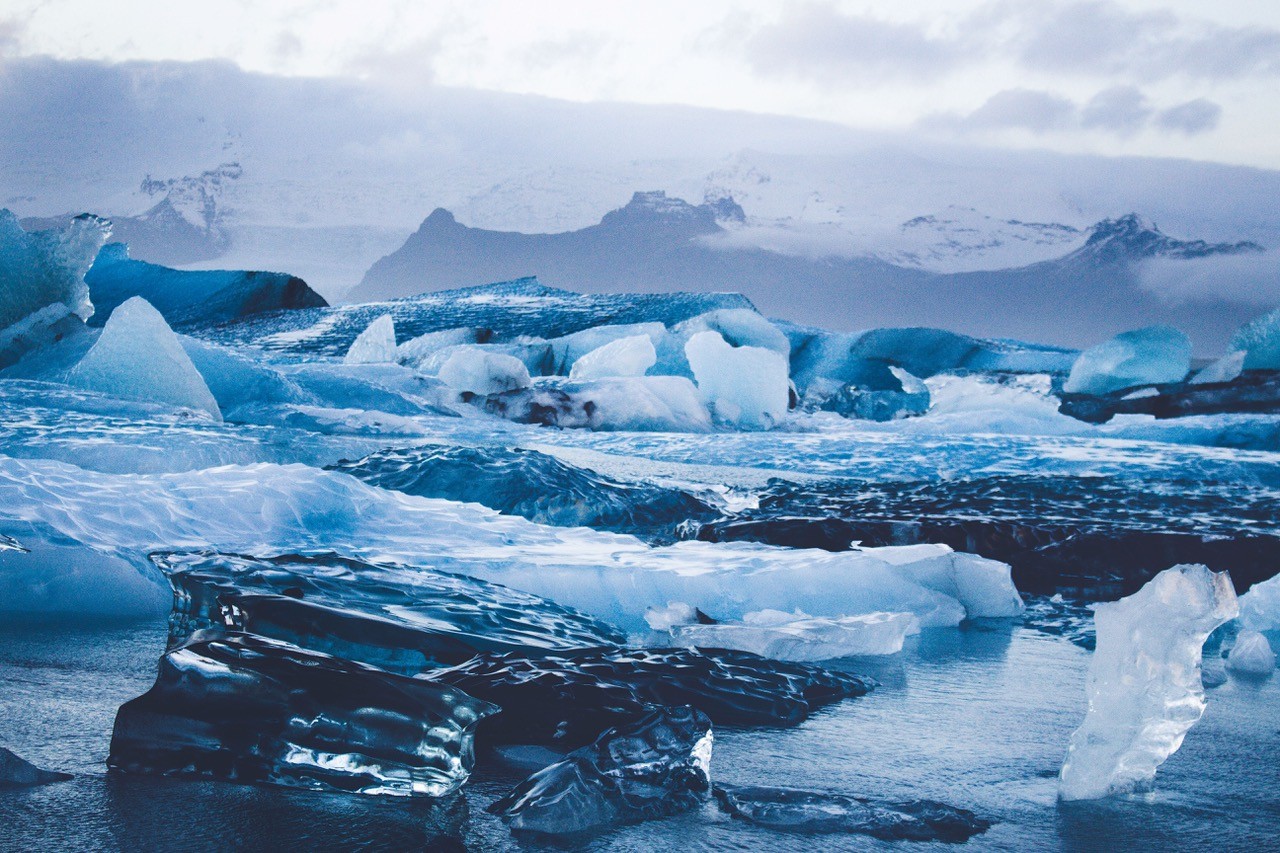
Iceberg

Event radar

Eleven current developments and what they mean for businesses.

Climate signals

Three signals that remain

Global · August 2026

Warmest August since records began.

Copernicus reported a tie with July 2023; the month was once again more than 1.5 °C above pre-industrial levels.

Europe · June–July 2026

Hottest June–July interval for Western Europe.

The prolonged hot and dry conditions favoured the spread and intensification of extreme wildfires.

Germany · Emissions 2025

48.2% below 1990.

The Federal Environment Agency classifies this development as a virtually unchanged figure compared to the previous year.

Sources: Copernicus Climate Change Service and German Environment Agency · For status, see sources section.

The Climate Situation Traffic Light

Green

Important Information

Yellow

May become relevant

Orange

Potential impacts

Red

Impact visible

Iceberg

Event radar

Eleven current developments and what they mean for businesses.

Climate signals

Three signals that remain

Global · August 2026

Warmest August since records began.

Copernicus reported a tie with July 2023; the month was once again more than 1.5 °C above pre-industrial levels.

Europe · June–July 2026

Hottest June–July interval for Western Europe.

The prolonged hot and dry conditions favoured the spread and intensification of extreme wildfires.

Germany · Emissions 2025

48.2% below 1990.

The Federal Environment Agency classifies this development as a virtually unchanged figure compared to the previous year.

Sources: Copernicus Climate Change Service and German Environment Agency · For status, see sources section.

The Climate Situation Traffic Light

Green

Important Information

Yellow

May become relevant

Orange

Potential impacts

Red

Impact visible

The situation in pictures

From orbit.

From orbit.

Satellites show what is often only visible on the ground much later. Three current images – and what they tell us about our changing climate.

Satellite image of Greenland's ice landscape

NASA Earth Observatory

Greenland's ice on the move

Greenland's ice on the move

New footage shows sustained high melting activity at several glaciers. The meltwater is flowing faster into the sea – with long-term consequences for global sea levels.

Satellite image of Hurricane Polo

NASA Earth Observatory

A stronger hurricane over the Atlantic

A stronger hurricane over the Atlantic

Satellite data shows rapid intensification. Warmer oceans favour the formation and strengthening of tropical cyclones – with rising risks for coastal regions.

Satellite image of the sea surface temperature in the Atlantic

NASA Earth Observatory

Warmer Oceans, New Normal

Warmer Oceans, New Normal

Surface temperatures in the Atlantic are significantly above the long-term average. This affects ecosystems, weather and the livelihoods of many regions.

Climate protection in Germany

The road to 2030.

Not every reduction is already an achievement of the target. This graphic shows the key parameters: current status, projection, and the gap to the German target.

Projection of emissions until 2030

Projection status 2026

-62.6%

According to current UBA projections, this is how far total emissions would fall by 2030 compared to 1990. A gap of around 30 million tonnes of CO₂ equivalents remains to reach the German target of −65%.

Source: Federal Environment Agency, 2025 emissions data and 2026 projections. The lines show key parameters, not an annual time series.

Climate protection in Germany

The road to 2030.

Not every reduction is already an achievement of the target. This graphic shows the key parameters: current status, projection, and the gap to the German target.

Projection of emissions until 2030

Projection status 2026

-62.6%

According to current UBA projections, this is how far total emissions would fall by 2030 compared to 1990. A gap of around 30 million tonnes of CO₂ equivalents remains to reach the German target of −65%.

Source: Federal Environment Agency, 2025 emissions data and 2026 projections. The lines show key parameters, not an annual time series.

Climate protection in Germany

The road to 2030.

Not every reduction is already an achievement of the target. This graphic shows the key parameters: current status, projection, and the gap to the German target.

Projection of emissions until 2030

Projection status 2026

-62.6%

According to current UBA projections, this is how far total emissions would fall by 2030 compared to 1990. A gap of around 30 million tonnes of CO₂ equivalents remains to reach the German target of −65%.

Source: Federal Environment Agency, 2025 emissions data and 2026 projections. The lines show key parameters, not an annual time series.

CLIMATE NOW

Three observations. One situation.

The counterpart to the event radar: not a headline, but rather what is emerging over the course of a month or a season.

GLOBAL · AUGUST 2026

The warmest August since records began.

Copernicus ranks August 2026 globally as a record month – on a par with July 2023. This is not an event, but a climate signal.

Source: Copernicus Climate Change Service. The bars do not compare common units; they make three different observations readable.

REGULATION IN FOCUS

What moves within rules and duties

No legal advice. Instead, a brief overview: What is binding, what is in transition – and where is a closer look worthwhile?

What belongs in a decision today

For companies, the first good question is often not "Which obligation applies to us?", but rather: Which data, statements and climate risks do we need to manage traceably now?

The timeline deliberately distinguishes between applicable law, orientation marks and practical decisions.

REGULATION IN FOCUS

What moves within rules and duties

No legal advice. Instead, a brief overview: What is binding, what is in transition – and where is a closer look worthwhile?

What belongs in a decision today

For companies, the first good question is often not "Which obligation applies to us?", but rather: Which data, statements and climate risks do we need to manage traceably now?

The timeline deliberately distinguishes between applicable law, orientation marks and practical decisions.

For businesses

The situation affects more than just key figures.

The situation affects more than just key figures.

The site connects climate and regulatory signals with questions that actually arise in companies.

01

Locations

Heat, water, heavy rain and energy supply: Which systems at the site are vulnerable?

02

Supply chains

Where can events affect availability, transport and preliminary products – including outside of Germany?

03

Decisions

Which risks can be addressed now as a precaution – and which data is still missing for this?

View intended database

Voices in Discourse

Advocates. Sceptics. The better question.

It is not about pitting facts against opinions. It gets interesting where different answers to the same practical question meet.

How quickly does something have to change?

Does reporting really help?

Technology or less consumption?

ISSUE 01

How quickly must economy and society change?

Supporting perspective

Those who hesitate today postpone costs and risks into a future that is increasingly difficult to plan. Binding targets create direction and accelerate investments.

Skeptical perspective

Speed alone does not create sustainable change. Rules must be comprehensible, match real possibilities and not treat acceptance as an afterthought.

What we look at: Does it reduce emissions? Does it mitigate risks? And is it practically feasible for the people and businesses who are to implement it?

Voices in Discourse

Advocates. Sceptics. The better question.

It is not about pitting facts against opinions. It gets interesting where different answers to the same practical question meet.

How quickly does something have to change?

Does reporting really help?

Technology or less consumption?

ISSUE 01

How quickly must economy and society change?

Supporting perspective

Those who hesitate today postpone costs and risks into a future that is increasingly difficult to plan. Binding targets create direction and accelerate investments.

Skeptical perspective

Speed alone does not create sustainable change. Rules must be comprehensible, match real possibilities and not treat acceptance as an afterthought.

What we look at: Does it reduce emissions? Does it mitigate risks? And is it practically feasible for the people and businesses who are to implement it?

Voices in Discourse

Advocates. Sceptics. The better question.

It is not about pitting facts against opinions. It gets interesting where different answers to the same practical question meet.

How quickly does something have to change?

Does reporting really help?

Technology or less consumption?

ISSUE 01

How quickly must economy and society change?

Supporting perspective

Those who hesitate today postpone costs and risks into a future that is increasingly difficult to plan. Binding targets create direction and accelerate investments.

Skeptical perspective

Speed alone does not create sustainable change. Rules must be comprehensible, match real possibilities and not treat acceptance as an afterthought.

What we look at: Does it reduce emissions? Does it mitigate risks? And is it practically feasible for the people and businesses who are to implement it?

Reading list · Recently added

Read. Then think further.

No compulsory reading and no book recommendations to tick off. Three new perspectives that make questions bigger and often clearer.

History · 2025

The Climate of History in a Planetary Age

Dipesh Chakrabarty asks what climate change does to our ideas of modernity, history, and globalisation.

Suhrkamp

Present · 2025

One planet, many worlds

A new book on the tension between the planetary and the global – and why simple answers are rarely enough.

Suhrkamp

Ethics · 2025

Climate ethics

Lukas Sparenborg and Darrel Moellendorf gather perspectives on intergenerational responsibility and the moral questions of the climate crisis.

Suhrkamp

Transparency

Source before statement.

A joint platform of the UN, EU Commission and civil protection. The reports will be shown in the future live radar as a source and not as a forecast.

Monthly climate bulletins make temperature, precipitation, soil moisture, and other observations across Europe easy to understand.

The Federal Environment Agency provides emissions data and projections for Germany. Binding targets and changes are verified at the original source for the regulatory horizon.