PROJECT TOGO PLUS · EDUCATION
01 · WHAT IT IS ABOUT
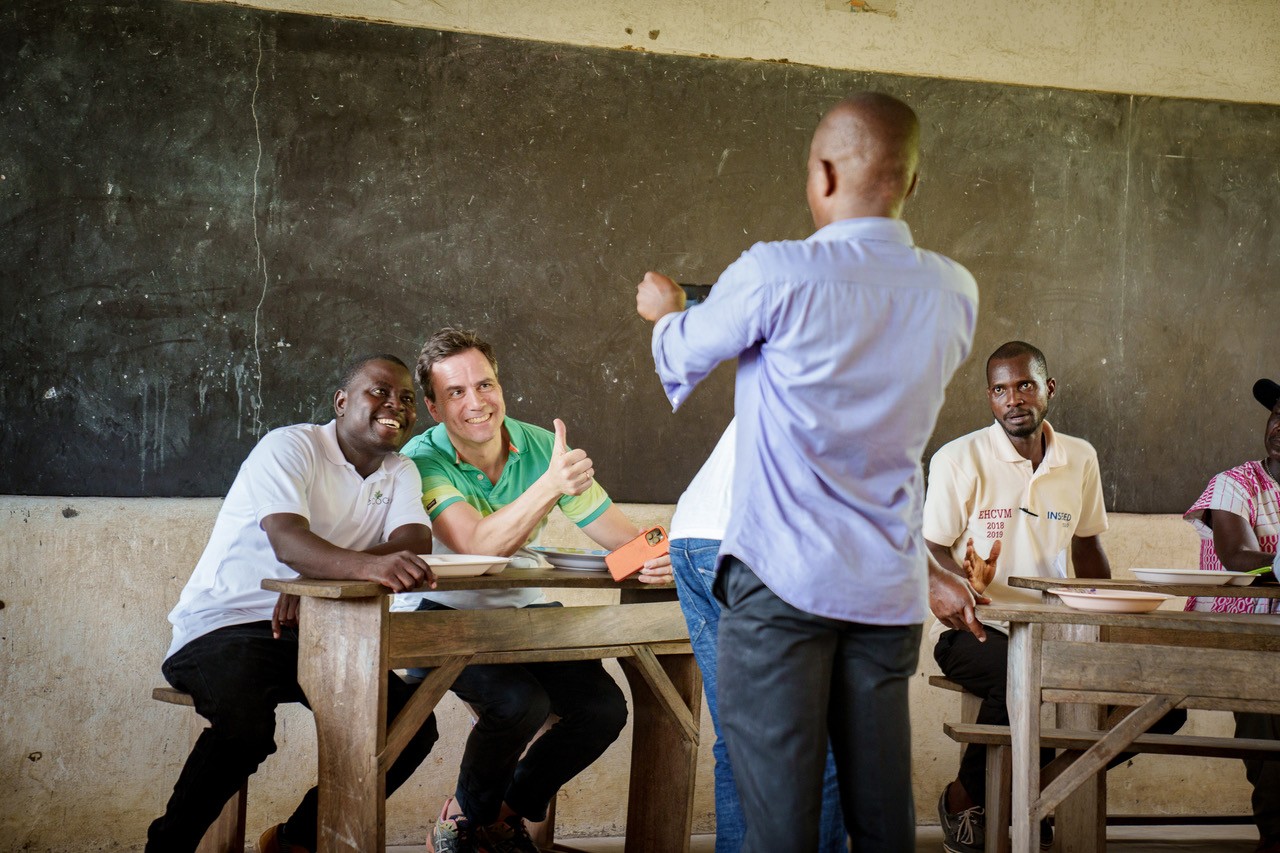
In the project region, education often depends on very concrete prerequisites: Is there a classroom? Clean water and toilets? Are teachers accessible? Can children even reach a secondary school?
PROJECT TOGO is therefore working on several areas at the same time. Support is being provided to schools, the training centre in Kotokope and open courses for adults from the surrounding villages.
It is not about organising education from the outside. It is about creating conditions under which learning can reliably take place on site.
01
Places of learning
Classrooms, clean water, and toilets create the foundation for regular lessons.
02
Teachers
Accessible teachers and regular courses turn equipment into a reliable offering.
03
Routes to school
Bicycles can help in reaching secondary schools reliably.
04
Usage
Technology and materials are only effective if they are used, maintained, and preserved.
A · ADULT EDUCATION
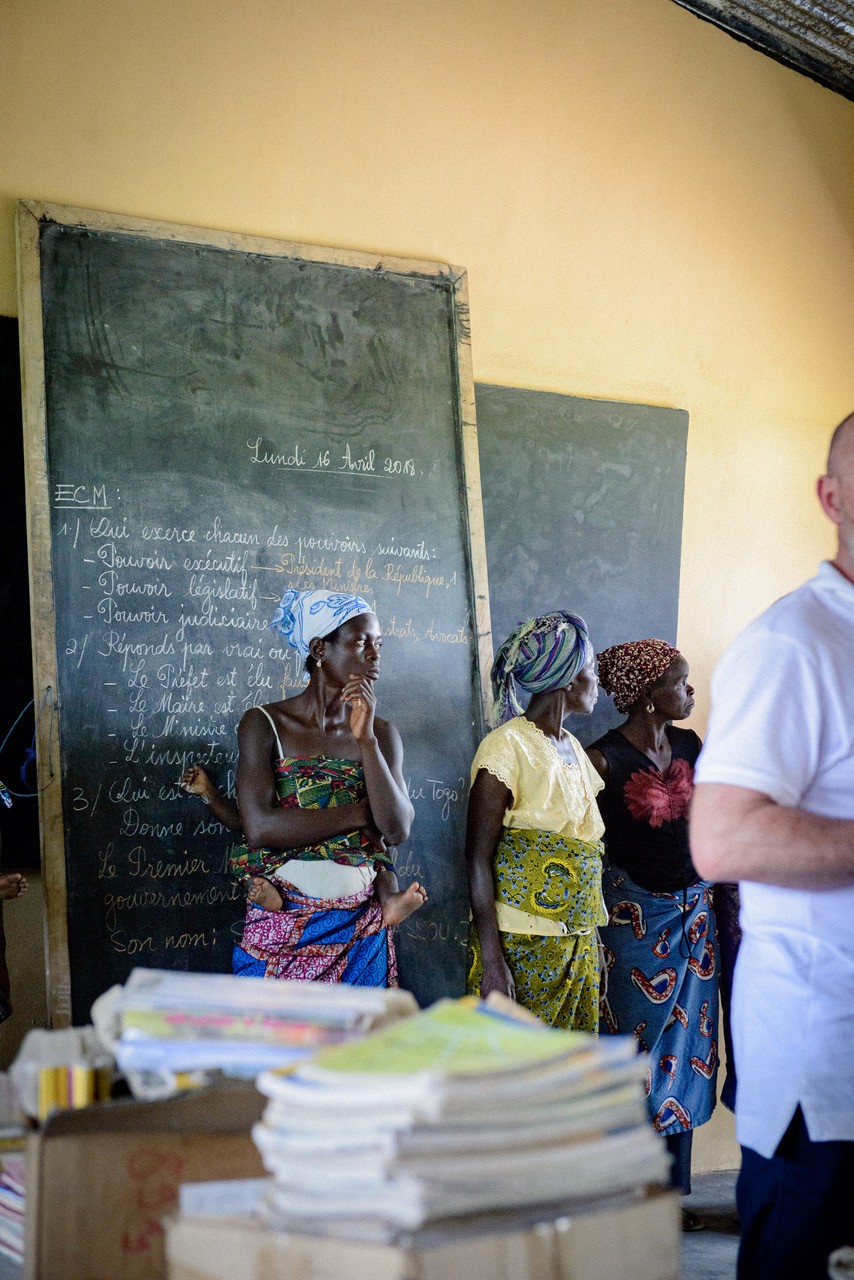
Many adults in the region previously had only limited access to education. For this reason, literacy and French classes are held twice a week at the training centre in Kotokope.
Depending on the topic, usually 15 to 25 people take part. For first aid courses, there can be 40 to 50 participants. The offers are open and free of charge.
B · KNOWLEDGE WITH REGIONAL RELEVANCE
First aid is important for working in forestry and agriculture. Computer skills can facilitate administration and professional development.
Training on syntropic agroforestry or yam cultivation combines knowledge with nutrition and economic work. Internships with the agricultural school in Kpalimé bring young people and professional support together.
02 · EDUCATION IN EVERYDAY LIFE
The forest is also a place of learning
The school forest in Kotokope and the forest nature trail in the natural forest provide knowledge about trees, animals, biodiversity and forest conservation. Signposts in French and Ewe facilitate access.
The sites make visible what otherwise easily remains abstract: which species occur in the forest, why they are protected, and how closely forest, water, agriculture, and life in the villages are interconnected.
03 · CONTINUE LEARNING
A school route can decide the next step
Since 2020
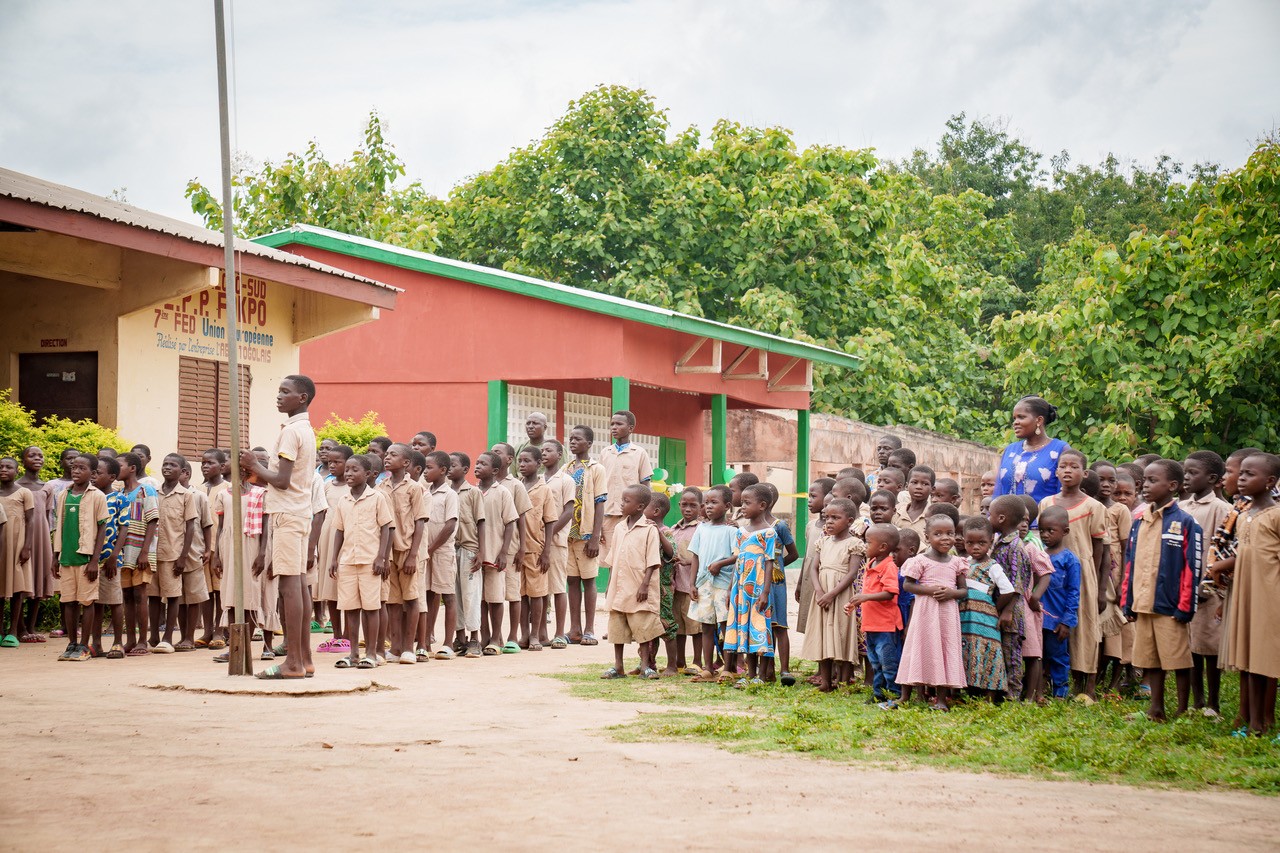
Since 2020, successful pupils have been receiving bicycles so that they can reach schools further away. Girls and boys are given equal consideration in this process.
The bicycle is no substitute for a school or lessons. However, it can make a journey possible that would be too far on foot to travel reliably every day.

04 · USE INSTEAD OF ACQUISITION
Equipment is only useful if it can be used
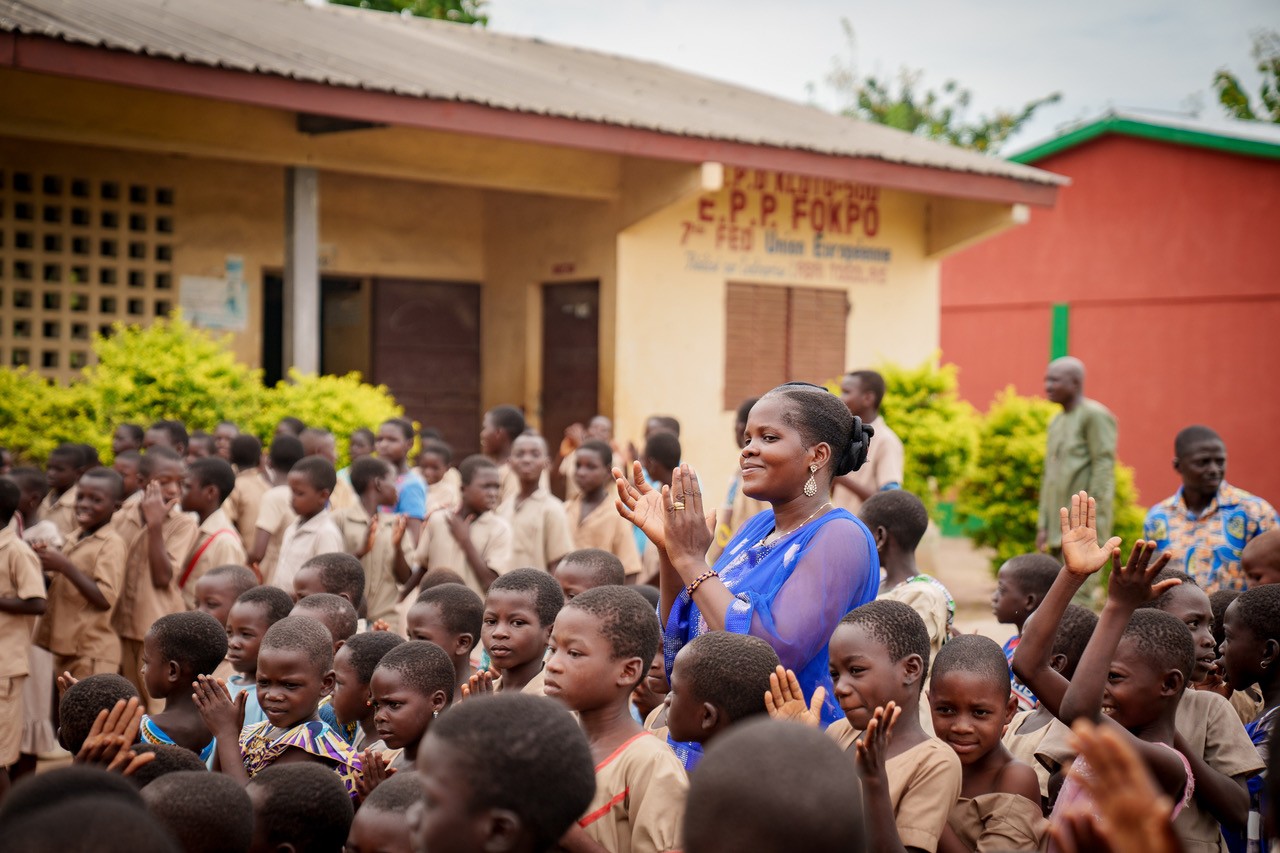
Computers, furniture or teaching materials are important. However, their significance only becomes apparent during ongoing operations: when courses take place, technology is maintained, and teachers are able to work with the available resources.
This is why PROJECT TOGO considers acquisition, use, and maintenance together.
A training centre only remains a place of learning if rooms, technology and services remain permanently accessible.
05 · RESTRICTED FUNDING
The specific needs will be coordinated together with the NGO ecoCent Togo, schools, and the participating village communities.
Teaching materials, computers, furniture and technical equipment
Fees for local teachers and regular courses
Expansion and maintenance of the training centre
School wells, toilets, classrooms and shade planting
Bicycles and safe equipment for longer school routes
Further development of the school forest and nature trail
Maintenance, repairs and necessary replacement purchases
A contribution can therefore not only finance an acquisition, but also the prerequisites for it to be used and maintained in everyday life.
06 · DOCUMENTATION
What we report on
Educational impact does not come from purchasing equipment alone. Regular courses, accessible teachers, actual participation, and the opportunity to apply what has been learned are crucial.
The reporting considers infrastructure and usage together. Among other things, the following can be documented:
Courses and lessons delivered
Number and composition of participants
Bicycles issued and schools visited
Equipment provided and its use
Maintenance and repairs of the technology
Feedback from teachers and participants
Next agreed development steps
In doing so, a clear distinction is made between what has already been implemented, ongoing offers, and what is being prepared next.
CLEARLY CATEGORISED
A commitment to education is voluntary and earmarked for a specific purpose. It supports a concrete project area of PROJECT TOGO in Togo.
It takes place outside of one's own value chain and is documented separately from CO2e balances. The contribution is not offset against a product or corporate carbon footprint and does not alter any calculated emissions.
PROJECT TOGO PLUS · EDUCATION
We explain which measures are currently being prepared, how support can be deployed, and what will be reported on afterwards.