PROJECT TOGO PLUS · FOREST PROTECTION & BIODIVERSITY

NATURAL FOREST · PROJECT TOGO, TOGO
01 · WHAT IT'S ABOUT
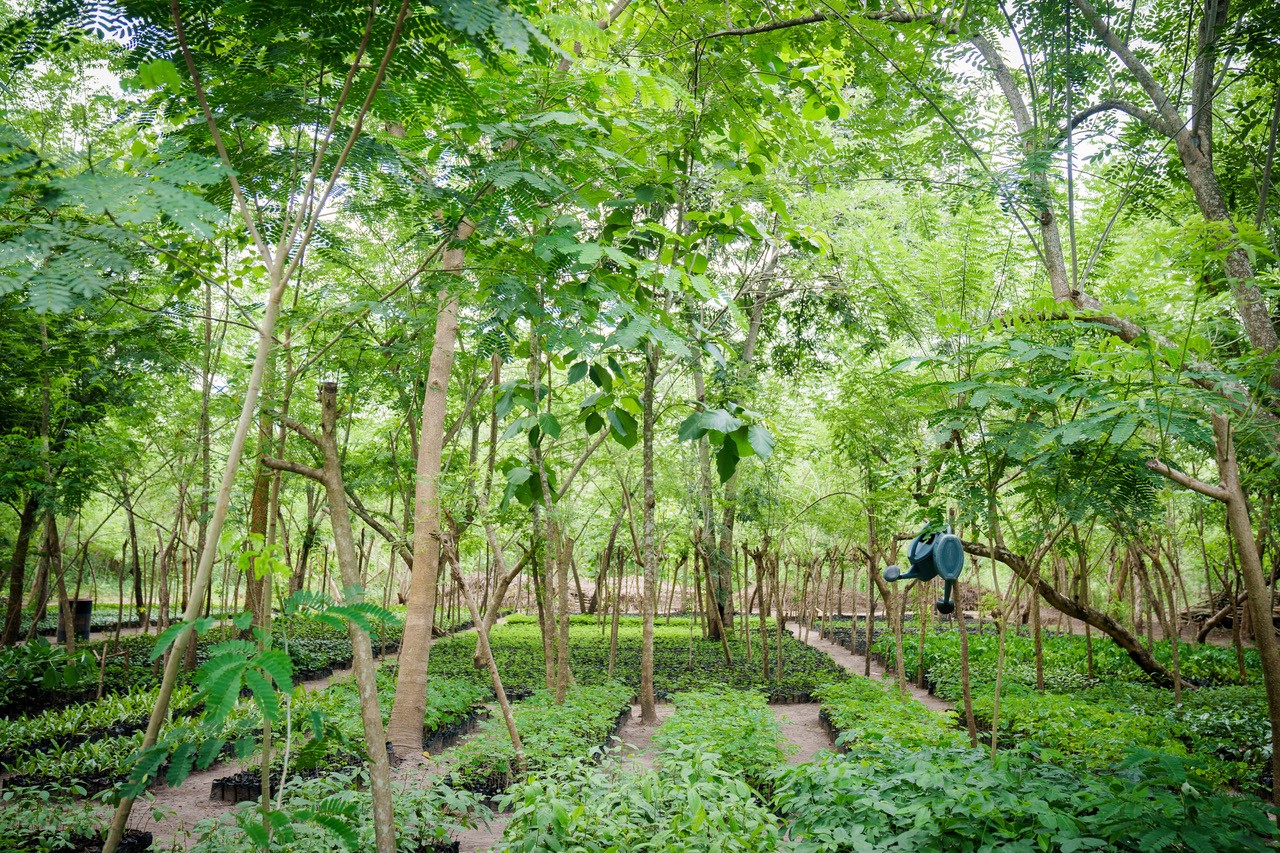
At the beginning, the area was predominantly wasteland with low grasses and shrubs. Since 2012, according to project details to date, around three million trees have been planted.
The company's own tree nurseries grow approximately 100,000 to 150,000 seedlings annually. PROJECT TOGO actively works with 25 native tree species.
Yet the value of the forest lies not only in the number of trees planted. What is crucial is whether they can develop over a long period into a diverse, protected habitat.
around 1,000
HECTARES OF NATURAL FOREST
since 2012
CONTINUOUS DEVELOPMENT
approx. 3 million
PLANTED TREES
25
NATIVE TREE SPECIES
* according to previous project specifications
02 · WHAT HAS DEVELOPED
Observe instead of assume
Seeds reach the area through animals and natural dispersal. The study by the University of Lomé in 2018 identified a total of 218 tree species in the natural forest. This showed that, in addition to the specifically planted species, further vegetation has established itself on the area.
Wildlife cameras document various animal species, including monkeys and antelopes. They do not replace a comprehensive biodiversity study, but they do help to observe developments over a longer period.
Another comprehensive study of biodiversity is scheduled for 2028.
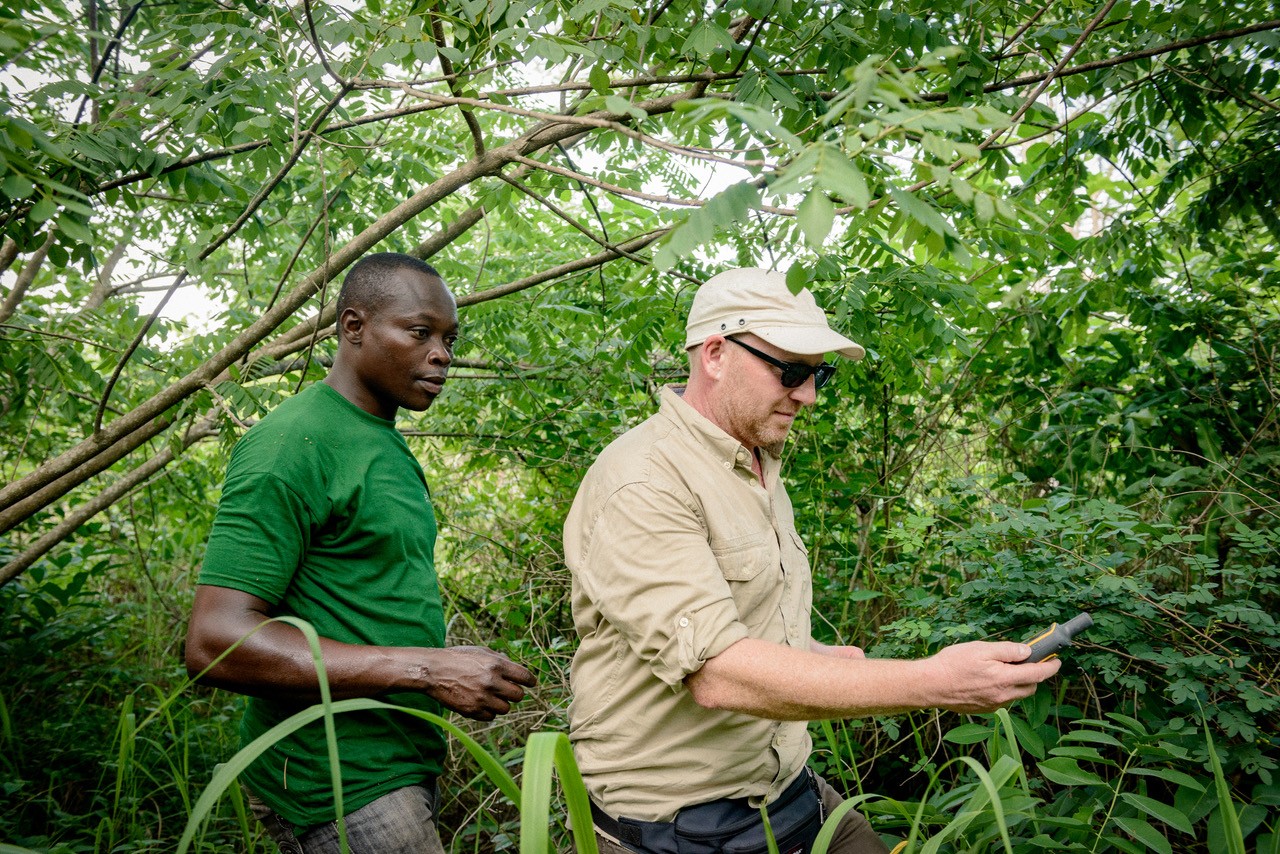
FOREST PROTECTION IS AN ONGOING TASK ON SITE
03 · FIRE PROTECTION AND USE
The most immediate threat to the forest is fire. Firebreaks, fire watches, tools and regularly repeated awareness campaigns in the surrounding villages therefore form a coherent protection system.
Speaker masts and agreed alarm signals help to quickly call people from several villages together in the event of a fire. These structures have also helped in the case of fires on neighbouring areas.
In the natural forest, wood is generally not harvested and hunting is not permitted. Smaller woody plants that must be removed for forestry reasons remain in the forest as deadwood. This preserves nutrients and habitats.
04 · ON-SITE PARTICIPATION
05 · SCIENTIFIC ACCOMPANIMENT
Regular forest inventories record growth and stored biomass. In addition to these inventories, biodiversity studies, wildlife camera footage, and soil and water analyses help to track and understand the development of the natural forest.
According to the available project details, the 2023 inventory showed an average sequestration of about 15 tonnes of CO₂ per hectare per year; the target is 18 tonnes.
Such values are only reliable in conjunction with their method. The inventory method, samples, reference period, and measurement uncertainties should therefore always be included in the evaluation of a result.
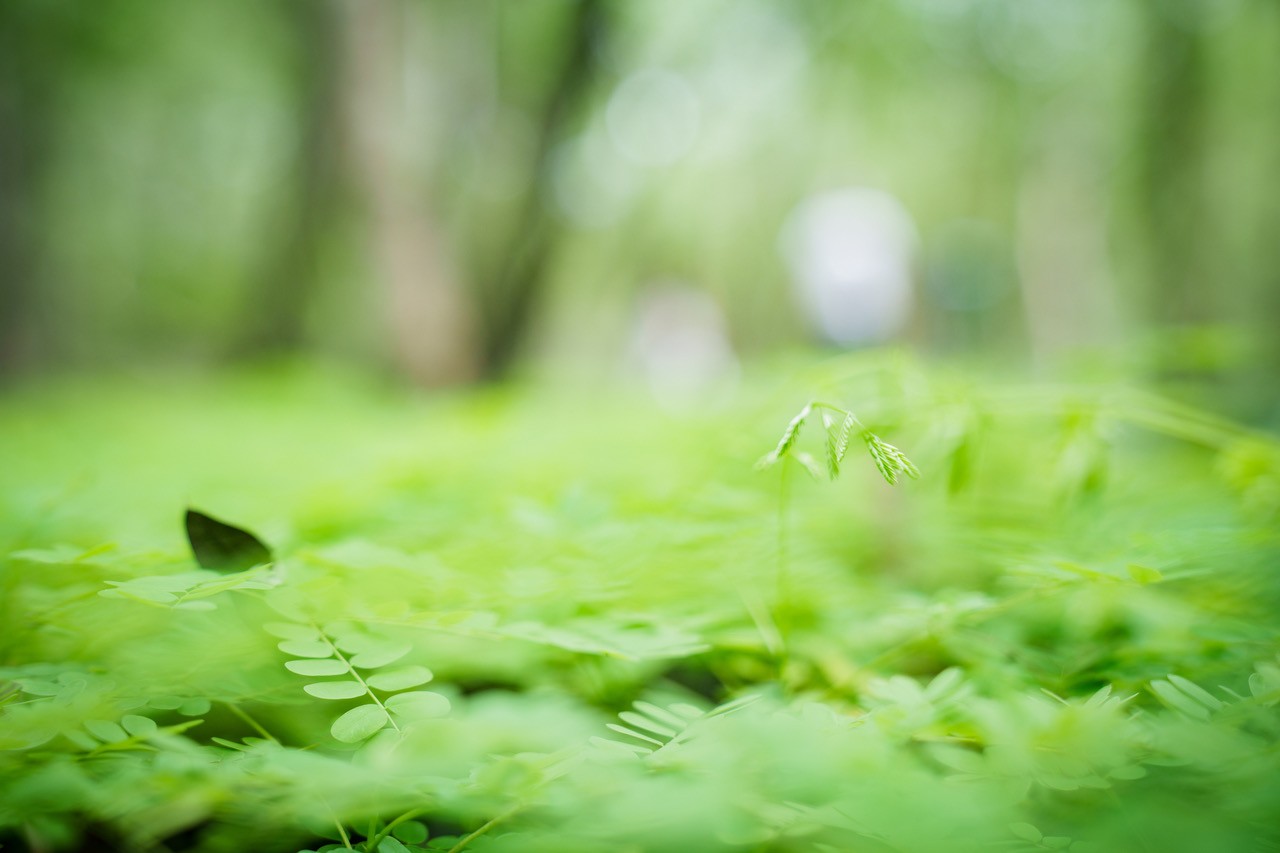
TREE NURSERY · PROJECT TOGO
06 · EARMARKED SUPPORT
01
02
03
04
05
06
07 · DOCUMENTATION
Reporting is based on the respective project and development status. It distinguishes clearly between what has been implemented, ongoing observations and the next planned steps.

CLEARLY CATEGORISED
A commitment to forest protection and biodiversity is voluntary and earmarked. It supports a specific project area of PROJECT TOGO in Togo.
It takes place outside of one's own value chain and is documented separately from CO₂e balances. The contribution is not offset against a Product or Corporate Carbon Footprint and does not alter any calculated emissions.
PROJECT TOGO PLUS · FOREST PROTECTION & BIODIVERSITY