Case Studies

Renewable Energy

A unified design system that brings together consistency and performance, empowering brands to develop and scale their design with efficiency.

Industry

Food & Beverage

Published

Services

Waste Management

Duration

3 Years

green leaf plant in close-up photography

Overview

A sustainable supply chain integrates environmental protection, social responsibility, and economic resilience into every stage of how products are sourced, made, and delivered. Unlike traditional supply chains that focus mainly on cost and speed, sustainable supply chains put people and the planet at the core—seeking to reduce carbon emissions, eliminate waste, ensure ethical labour practices, and manage resources responsibly across the entire value chain.

By embedding sustainability into operations from raw material sourcing to final delivery, businesses can improve transparency, strengthen partnerships, and boost long-term operational resilience. Sustainable supply chain management drives innovation in areas like circular economy models, greener logistics, and ethical sourcing practices, helping companies meet growing stakeholder expectations for responsible business conduct.

Beyond environmental benefits, sustainable supply chains enhance brand reputation, attract conscious consumers and investors, and reduce risks related to regulatory compliance and social issues. As global pressures increase—from climate change to resource scarcity—embedding sustainability into supply chains is not only a moral imperative but also a competitive advantage in today’s market.
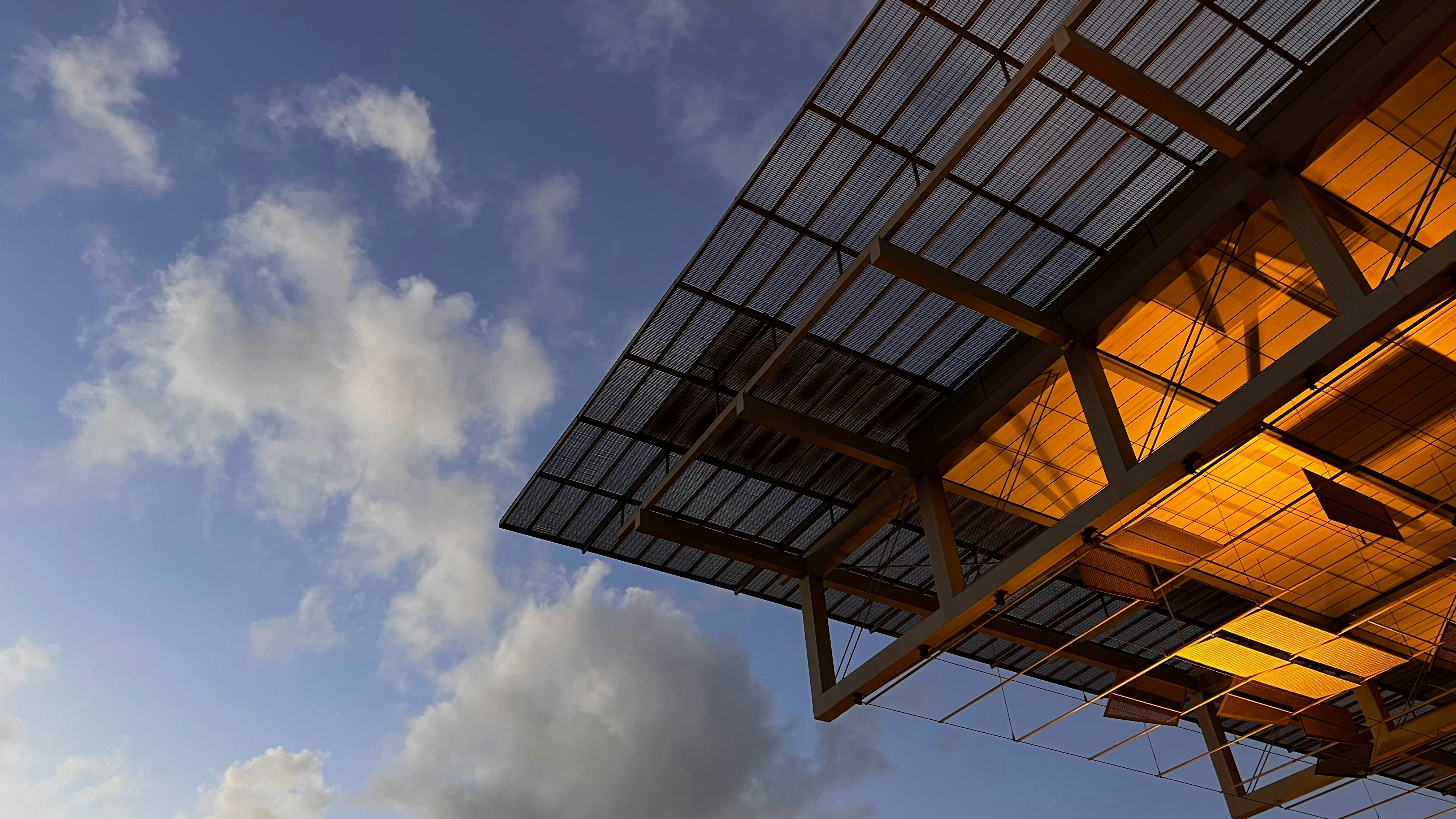
a building with a sky in the background

Benefits

A sustainable supply chain integrates environmental, social, and economic considerations into every stage of the supply chain—from sourcing raw materials to production, distribution, and end-of-life management. Its goal is to minimise negative environmental impacts while creating long-term value for businesses, society, and the planet.

One of the main benefits of a sustainable supply chain is the reduction of environmental impact. By using eco-friendly materials, optimising transportation, and reducing waste and emissions, organisations can lower their carbon footprint and conserve natural resources. This contributes to climate change mitigation and environmental protection.

From an economic perspective, sustainable supply chains improve efficiency and reduce costs over time. Practices such as energy efficiency, waste reduction, and responsible inventory management help organisations lower operational expenses. Sustainable sourcing also reduces risks related to supply disruptions, resource scarcity, and fluctuating market prices.

A sustainable supply chain also promotes social responsibility. By ensuring fair labour practices, safe working conditions, and ethical sourcing, companies support worker welfare and community development. This strengthens relationships with suppliers, customers, and other stakeholders while enhancing brand reputation and trust.

Overall, a sustainable supply chain enhances resilience, competitiveness, and long-term sustainability. By balancing environmental protection, economic performance, and social responsibility, organisations can build supply chains that support sustainable development and future growth.


Fluffy brown dog lying in a rustic indoor plant shop.
Solar panels in a large renewable energy farm under a bright, partly cloudy sky during sunset.

Conclusion

In conclusion, a sustainable supply chain is essential for achieving long-term environmental protection, economic efficiency, and social responsibility. By incorporating sustainability principles into every stage of the supply chain—from responsible sourcing and efficient production to low-carbon transportation and waste reduction—organisations can significantly minimise their environmental impact while improving overall operational performance. These practices lead to reduced carbon emissions, efficient resource utilisation, and the protection of natural ecosystems.


Furthermore, sustainable supply chains offer strong economic benefits by lowering long-term costs, improving energy and material efficiency, and reducing risks associated with resource scarcity and supply disruptions. Organisations that prioritise sustainability are better equipped to respond to changing regulations, market demands, and global uncertainties. At the same time, ethical sourcing and fair labour practices enhance supplier relationships, strengthen brand reputation, and build trust among customers and stakeholders.


Overall, the adoption of a sustainable supply chain supports resilience, innovation, and sustainable development. It enables businesses to balance profitability with environmental stewardship and social responsibility, making it a critical strategy for creating a more sustainable, competitive, and future-ready global economy.

Modern eco-friendly house with hanging plants and warm lighting.
Background Image

Sustainability

Ready to Build a More Sustainable Future?

Take the first step towards measurable environmental impact with smart, scalable sustainability solutions designed for modern organisations.

PARTNERS & SPONSORS

Background Image

Sustainability

Ready to Build a More Sustainable Future?

PARTNERS & SPONSORS

Background Image

Sustainability

Ready to Build a More Sustainable Future?

Take the first step towards measurable environmental impact with smart, scalable sustainability solutions designed for modern organisations.

PARTNERS & SPONSORS

Amily
Robinson

Questions

Frequently Asked Questions

What is Ecovera?

Ecovera is a sustainability-focused platform that helps organisations reduce environmental impact through strategic planning, ESG reporting, and data-driven green solutions.

Who is Ecovera for?

Ecovera is for businesses and communities ready to embrace sustainable practices and transition to clean, renewable energy solutions.

Do you support ESG reporting and compliance?

Yes, we help organisations meet ESG standards and ensure accurate, compliant reporting.

Can Ecovera grow businesses?

Yes, Ecovera provides scalable sustainable solutions designed to support and grow with your business.

How do you measure sustainability impact?

We measure impact through carbon reduction, energy savings, resource efficiency, and ESG performance metrics.

How long does it take to see results?

Results with Ecovera vary, but most organisations begin seeing improvements within a few months of implementation.

Is Ecovera suitable for global organisations?

Yes, Ecovera is suitable for global organisations, offering scalable, data-driven solutions to manage sustainability across regions.

What is Ecovera?

Ecovera is a sustainability-focused platform that helps organisations reduce environmental impact through strategic planning, ESG reporting, and data-driven green solutions.

Who is Ecovera for?

Ecovera is for businesses and communities ready to embrace sustainable practices and transition to clean, renewable energy solutions.

Do you support ESG reporting and compliance?

Yes, we help organisations meet ESG standards and ensure accurate, compliant reporting.

Can Ecovera grow businesses?

Yes, Ecovera provides scalable sustainable solutions designed to support and grow with your business.

How do you measure sustainability impact?

We measure impact through carbon reduction, energy savings, resource efficiency, and ESG performance metrics.

How long does it take to see results?

Results with Ecovera vary, but most organisations begin seeing improvements within a few months of implementation.

Is Ecovera suitable for global organisations?

Yes, Ecovera is suitable for global organisations, offering scalable, data-driven solutions to manage sustainability across regions.