Case Studies

Sustainable Supply Chain

A design system framework that connects visual consistency with performance, helping brands scale design with speed and structure.

Industry

Healthcare

Published

Services

Environmental Consulting

Duration

2 Years

Green Plan

Overview

As climate change accelerates, energy prices continue to rise, and environmental responsibility becomes a global priority, renewable energy is no longer an option—it is a necessity. Around the world, businesses, governments, and communities are actively transitioning toward clean and renewable energy sources to reduce carbon emissions, decrease dependence on fossil fuels, and ensure a more resilient and sustainable future.


Renewable energy plays a vital role in addressing today’s environmental challenges while also supporting long-term economic stability and growth. By harnessing natural resources such as sunlight, wind, and water, renewable energy systems provide cleaner, more reliable power with significantly lower environmental impact. In addition, advancements in energy storage technologies and smart energy management systems are making renewable solutions more efficient, scalable, and accessible than ever before.

From solar and wind power to innovative battery storage and hybrid energy solutions, the global shift toward renewable energy is transforming how we generate, distribute, and consume electricity. This transition not only helps combat climate change but also creates new job opportunities, drives technological innovation, and strengthens energy security—paving the way for a cleaner, greener, and more sustainable world for future generations.
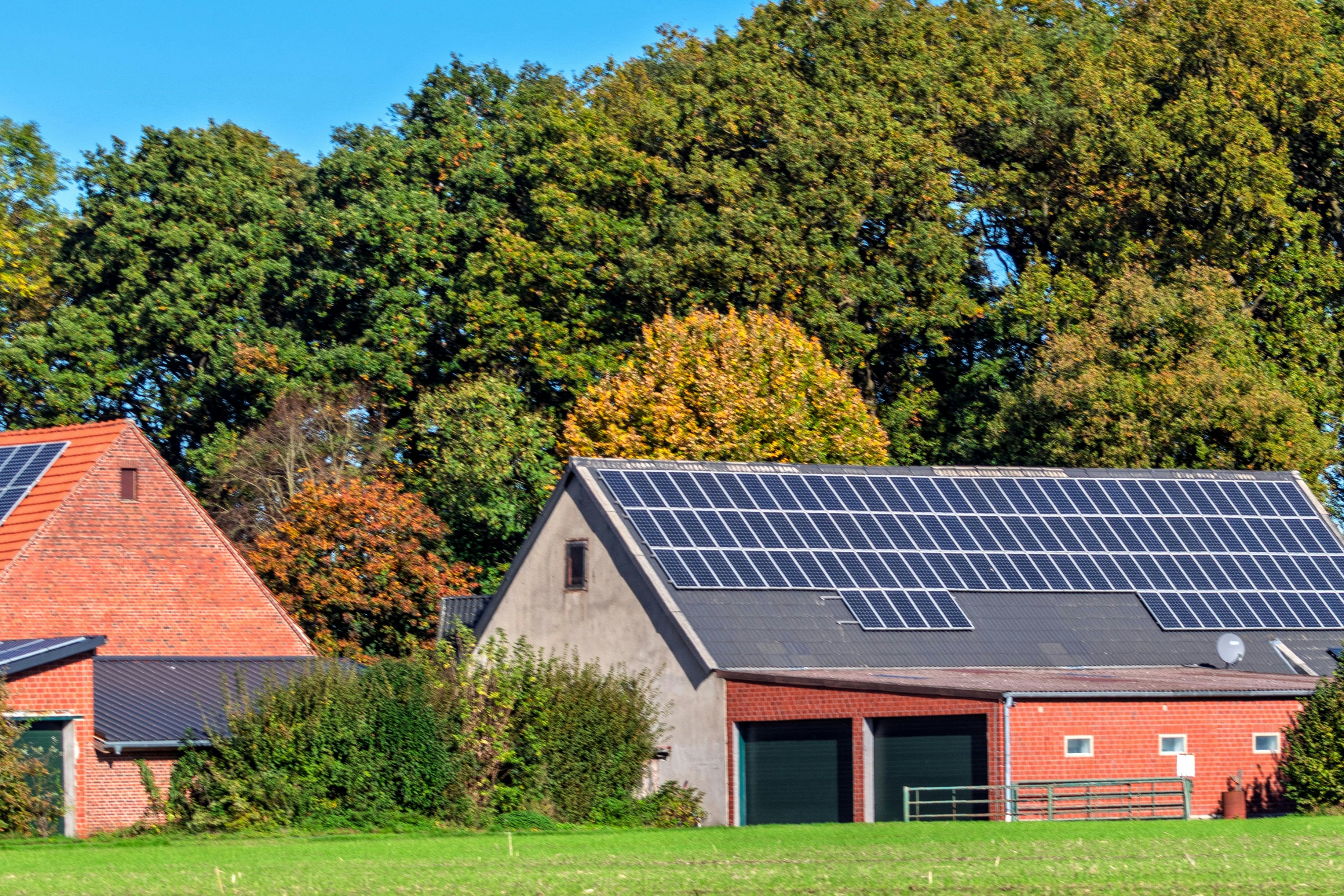
Barns with solar panels in a grassy field.

Benefits

The transition to renewable energy represents a defining step toward a more sustainable, resilient, and responsible future. As the world faces the combined challenges of climate change, rising energy demands, and environmental degradation, renewable energy offers a practical and long-term solution. By reducing reliance on fossil fuels, clean energy systems help lower carbon emissions, protect natural ecosystems, and improve overall environmental quality.

Beyond its environmental benefits, renewable energy plays a crucial role in strengthening economic growth and energy security. Investments in solar, wind, and advanced energy storage technologies drive innovation, create employment opportunities, and reduce exposure to volatile energy markets. For businesses and governments alike, adopting renewable energy is not only an environmentally responsible decision but also a strategic move toward long-term cost efficiency and operational stability.

Ultimately, embracing renewable energy is an investment in the future—one that supports sustainable development, empowers communities, and ensures access to clean, reliable power for generations to come. Through collective action, policy support, and continued technological advancement, renewable energy can become the cornerstone of a cleaner, greener, and more sustainable global energy system.

Group of people planting a young tree together in the soil, environmental conservation.
A panda-themed water bottle placed on a wooden table surrounded by various potted plants.

Conclusion

Renewable energy offers a wide range of environmental, economic, and social benefits, making it a smart and sustainable choice for the future. By utilising clean energy sources such as solar, wind, and renewable storage systems, organisations and communities can significantly reduce their environmental impact while improving long-term energy efficiency. One of the most important benefits of renewable energy is the reduction of carbon emissions and air pollution. Clean energy sources produce little to no greenhouse gases, helping combat climate change and improve air quality. This leads to healthier communities and a safer environment for future generations. From an economic perspective, renewable energy provides long-term cost savings by reducing dependence on fossil fuels and protecting against rising energy prices. Once installed, renewable systems typically require lower operational and maintenance costs, making them a stable and cost-effective energy solution over time. Renewable energy also strengthens energy security and reliability. By diversifying energy sources and enabling local power generation, businesses and communities become less vulnerable to energy shortages and global fuel market fluctuations. This creates a more resilient and independent energy infrastructure. In addition, the adoption of renewable energy drives innovation and job creation. The clean energy sector continues to generate employment opportunities across manufacturing, installation, maintenance, and technology development. This supports economic growth while promoting sustainable development. Overall, renewable energy not only supports environmental protection but also delivers measurable economic and social value—making it a key driver of a cleaner, greener, and more sustainable future.

Indoor garden installation with yellow flowers and lights
Background Image

Sustainability

Ready to Build a More Sustainable Future?

Take the first step towards measurable environmental impact with smart, scalable sustainability solutions designed for modern organisations.

PARTNERS & SPONSORS

Background Image

Sustainability

Ready to Build a More Sustainable Future?

PARTNERS & SPONSORS

Background Image

Sustainability

Ready to Build a More Sustainable Future?

Take the first step towards measurable environmental impact with smart, scalable sustainability solutions designed for modern organisations.

PARTNERS & SPONSORS

Amily
Robinson

Questions

Frequently Asked Questions

What is Ecovera?

Ecovera is a sustainability-focused platform that helps organisations reduce environmental impact through strategic planning, ESG reporting, and data-driven green solutions.

Who is Ecovera for?

Ecovera is for businesses and communities ready to embrace sustainable practices and transition to clean, renewable energy solutions.

Do you support ESG reporting and compliance?

Yes, we help organisations meet ESG standards and ensure accurate, compliant reporting.

Can Ecovera grow businesses?

Yes, Ecovera provides scalable sustainable solutions designed to support and grow with your business.

How do you measure sustainability impact?

We measure impact through carbon reduction, energy savings, resource efficiency, and ESG performance metrics.

How long does it take to see results?

Results with Ecovera vary, but most organisations begin seeing improvements within a few months of implementation.

Is Ecovera suitable for global organisations?

Yes, Ecovera is suitable for global organisations, offering scalable, data-driven solutions to manage sustainability across regions.

What is Ecovera?

Ecovera is a sustainability-focused platform that helps organisations reduce environmental impact through strategic planning, ESG reporting, and data-driven green solutions.

Who is Ecovera for?

Ecovera is for businesses and communities ready to embrace sustainable practices and transition to clean, renewable energy solutions.

Do you support ESG reporting and compliance?

Yes, we help organisations meet ESG standards and ensure accurate, compliant reporting.

Can Ecovera grow businesses?

Yes, Ecovera provides scalable sustainable solutions designed to support and grow with your business.

How do you measure sustainability impact?

We measure impact through carbon reduction, energy savings, resource efficiency, and ESG performance metrics.

How long does it take to see results?

Results with Ecovera vary, but most organisations begin seeing improvements within a few months of implementation.

Is Ecovera suitable for global organisations?

Yes, Ecovera is suitable for global organisations, offering scalable, data-driven solutions to manage sustainability across regions.