PROJECT PROFILE · CERTIFICATE-BASED CLIMATE PROTECTION
Solar energy in Mauritania
The project operates a grid-connected 50 MW photovoltaic plant in Toujounine near Nouakchott. This page documents project activity, methodology, standard, and registry entry – and contextualises what support means and what it does not.
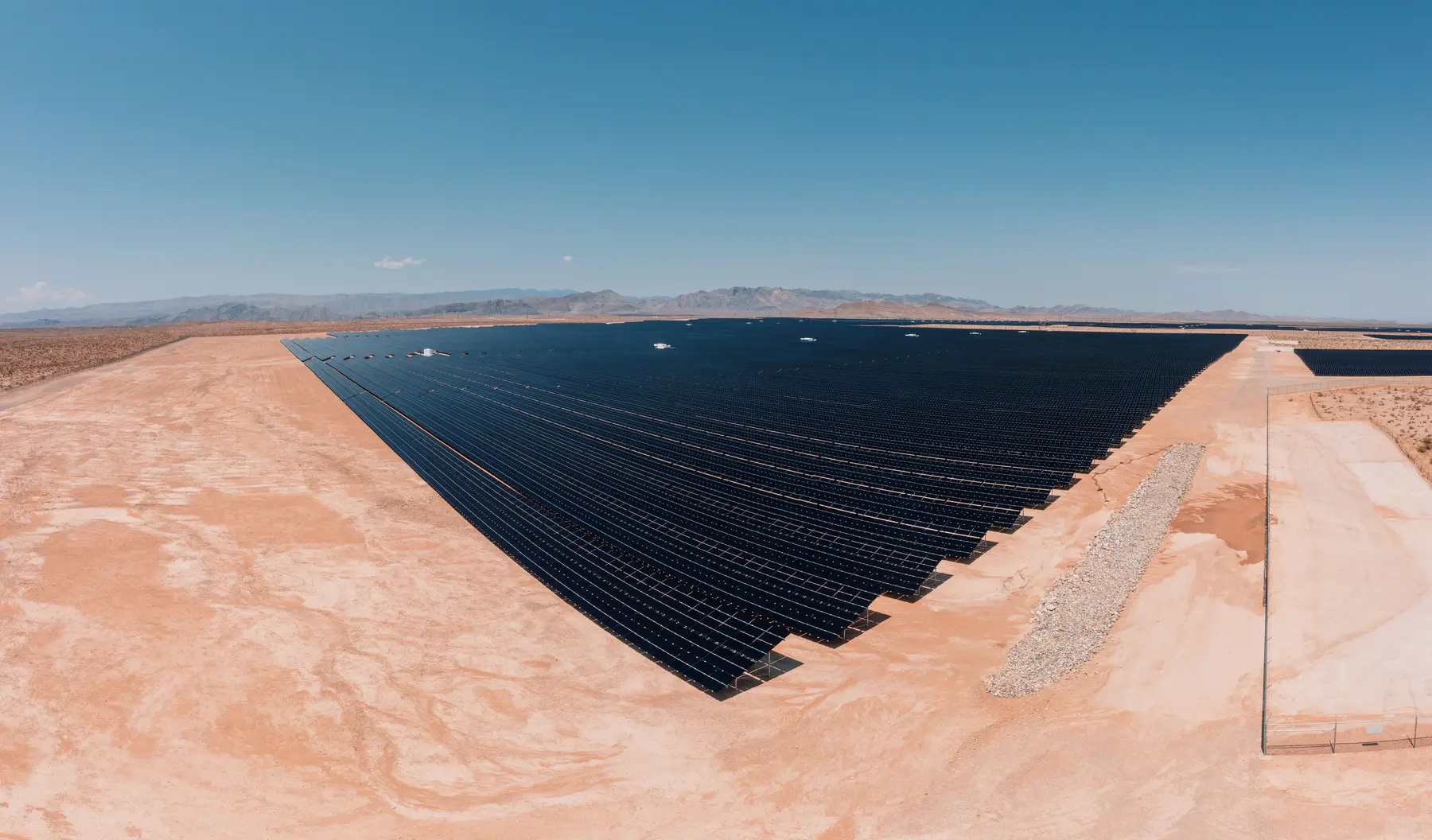
SOLAR ENERGY · SYMBOLIC IMAGE
Note: The image is intended to illustrate the landscape and technology and does not originate from the project described. Photo: Kelly / Pexels.
COUNTRY
Mauritania
Verra ID
VCS 1734
PROJECT TYPE
Solar power · Grid-connected
STATUS IN REGISTER
Registered
WHY TRANSPARENCY MATTERS
The project generates solar electricity and feeds it into the regional grid of Nouakchott. The emission reduction is not measured directly at the solar modules. It is calculated from the measured net electricity volume and a methodologically determined emission factor of the reference grid.
A registry entry does not replace a declaration of performance. But it makes its basis verifiable.
CONTENT
01
Project Profile
02
Project activity
03
Calculation
04
Further posts
05
Documented assignment
06
Classification
07
Sources
01 · PROJECT AT A GLANCE
The data pass for the project
The information refers to the publicly accessible Verra registry entry and the project information stored there. Dynamic registry details are subject to change.
PROJECT NAME
Large-scale grid-connected solar PV project in Toujounine (Nouakchott)
COUNTRY AND LOCATION
Mauritania · Toujounine, Nouakchott
VERRA PROJECT ID
VCS 1734
PROJECT SPONSORS IN THE REGISTER
SOMELEC
PROJECT TYPE
Grid-connected ground-mounted photovoltaics
INSTALLED CAPACITY
50 MW
PHOTOVOLTAIC MODULES
156,540 modules according to the register description
METHODOLOGY IN THE REGISTER
ACM0002, Version 17
PROJECT START
07/11/2017
REGISTRATION
29/01/2019
CREDITING PERIOD
07/11/2017–06/11/2027 · Term 1
ESTIMATED AVERAGE ANNUAL REDUCTION
34,705 t CO₂e according to the current registry overview
VALIDATION OFFICE IN THE REGISTER
TÜV NORD CERT GmbH
TEST BENCH OF THIS PAGE
04/09/2026
Regarding the data situation: the registry overview states an estimated annual average of 34,705 t CO₂e. Verified quantities, on the other hand, are determined for specific monitoring periods and may deviate from this. A period-related quantity is therefore not to be equated with the general annual forecast.
02 · WHAT HAPPENS IN THE PROJECT
Sunlight becomes measured electricity
The project activity involves the operation of a large-scale photovoltaic plant near Nouakchott. The electricity generated is measured and fed into the regional grid.
01
Generation
156,540 photovoltaic modules with a total of 50 MW convert sunlight into electricity – without fuel combustion on-site.
02
Grid feed-in
The plant is connected to Nouakchott's regional electricity grid. There is no physical allocation to a specific fossil-fuel power station.
03
Monitoring
For accounting purposes, the net electricity volume actually measured is decisive – not just the installed capacity or a forecasted annual production.
03 · HOW A UNIT IS CREATED
It is calculated within a specified model from measured power generation, the reference grid and the project emissions taken into account methodologically.
01
Determine reference network
The methodology determines which electricity system is considered and how the emission factor of the electricity generation otherwise used is determined.
02
Measure electricity quantity
Meter and plant data record the net electricity generation or net grid feed-in eligible for the project during the monitoring period.
03
Calculate reduction
The measured amount of electricity is linked to the methodologically determined grid emission factor; relevant project emissions and requirements are taken into account.
04
Check and register
Monitoring report and calculation are independently verified. Only after this can VCUs be issued for a specified period.
04 · OTHER DESCRIBED POSTS
Consider climate impact and potential additional benefits separately
Solar energy can have further effects beyond the calculated greenhouse gas reduction. However, these are not automatically quantified in the same way or individually proven for each unit issued.
POWER SYSTEM
Additional renewable generation
The project feeds solar power into the Nouakchott grid. Which conventional generation is displaced in the balance sheet is determined by the methodology – not by a direct allocation to an individual power plant.
OPERATION
No on-site incineration
Electricity generation does not require an ongoing use of fuel. This does not mean that manufacture, infrastructure, land use, cleaning and decommissioning have no impact.
INFRASTRUCTURE
Renewable generation capacity
The plant expands the installed solar capacity in the regional electricity system. A guaranteed improvement in the security of supply cannot be derived from this alone.
TECHNOLOGY
Operation and maintenance
A large-scale plant requires technical operational, measurement, and maintenance structures. The registry entry does not show specific employment or qualification effects per certificate.
SDG REFERENCES
For a solar energy project, links to SDG 7 'Affordable and Clean Energy' and SDG 13 'Climate Action' are particularly obvious. natureOffice does not use this classification as a seal of approval or as proof of a comprehensive sustainability status.
05 · FOR SUPPORTING COMPANIES
Not just a crowd. A documented connection to the project.
This project profile describes the project. A separate allocation or retirement report indicates whether and to what extent units have been allocated to a specific climate contribution.
Name and Verra ID of the project
allocated quantity in t CO₂e
Vintage or monitoring period
Write-off date and register reference
Serial numbers or unique VCU references
Beneficiary or documented purpose
The value does not lie in a green predicate. It lies in clearly assigned and verifiably documented support.
06 · CLASSIFICATION AND COMMUNICATION
What the support means – and what it doesn't
A voluntary climate contribution is presented separately from emissions within one's own value chain.
IT DOCUMENTS
IT DOES NOT AUTOMATICALLY MEAN
a contribution outside one's own value chain
a reduction in one's own emissions
the allocation of specific registered entities
Climate neutrality of a product or company
an emission reduction calculated in accordance with ACM0002
the physical decommissioning of a specific oil or gas power plant
Solar power without on-site fuel combustion
electricity generation with zero impact over its entire life cycle
Project, Standard, Vintage and Quantity
a comprehensive sustainability assessment or a project rating
a documented write-off or decommissioning
the admissibility of each advertising claim
A climate contribution should not sound bigger than can be documented.
07 · SOURCES AND RELEVANCE
The basis openly accessible
Project status, issued units and deposited documents may change. The current register entry remains authoritative.
PRIMARY SOURCE
Verra Registry
Project VCS 1734 · Status, Units and Documents
METHODOLOGY
ACM0002 at Verra
Grid-connected electricity generation from renewable sources
NATUREOFFICE
Documentation Framework
General rules for voluntary climate contributions
TEST BENCH
4 September 2026
We are happy to answer specific questions regarding project allocation or available documents.