
CO₂e data for automotive suppliers, battery modules and battery materials
A component leaves your factory. Its story continues.
What you manufacture becomes part of a module, a battery system, a vehicle. With it, decisions regarding materials, energy, production, and supply routes are passed on.
CO₂ software and personal support.
IN SHORT
Three questions. Three clear answers.
So it is immediately clear what is at stake for your industry – and how you can turn concrete data into understandable CO₂e information.
01 · What is at stake for your industry?
Materials and components become part of a module, a battery system and ultimately a vehicle. Their data accompanies them along this path.
02 · Why is CO₂e data becoming relevant in your industry?
Your customers need information that they can incorporate into their own product and Scope 3 assessments.
03 · What specifically does natureOffice enable?
ecozoom combines material, manufacturing, energy, waste, and supplier data into documented CO₂e information for materials, components, or modules.
WHY
There is more to a battery than just energy. It is the result of a long chain of decisions.
Materials are extracted and processed. Components are manufactured, connected and tested. Modules are created. Each of these decisions becomes part of the product – and part of the questions your customers will ask.
01
Material
Cathode material, foils, housings, cables and other preliminary products.
02
Component
Your component will become the foundation for the next technical stage.
03
Module
Components and cells are merged into a system.
04
Vehicle
Your data will become part of a larger product story.
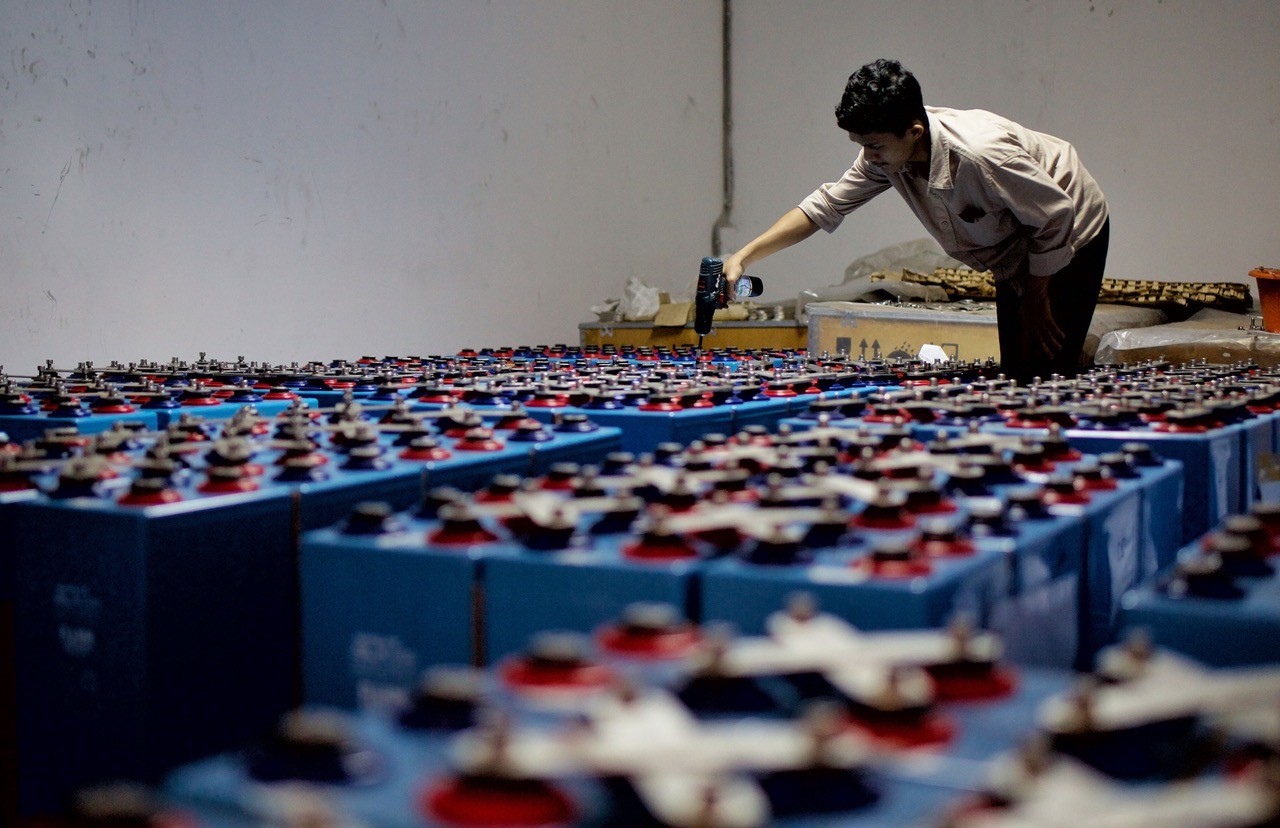
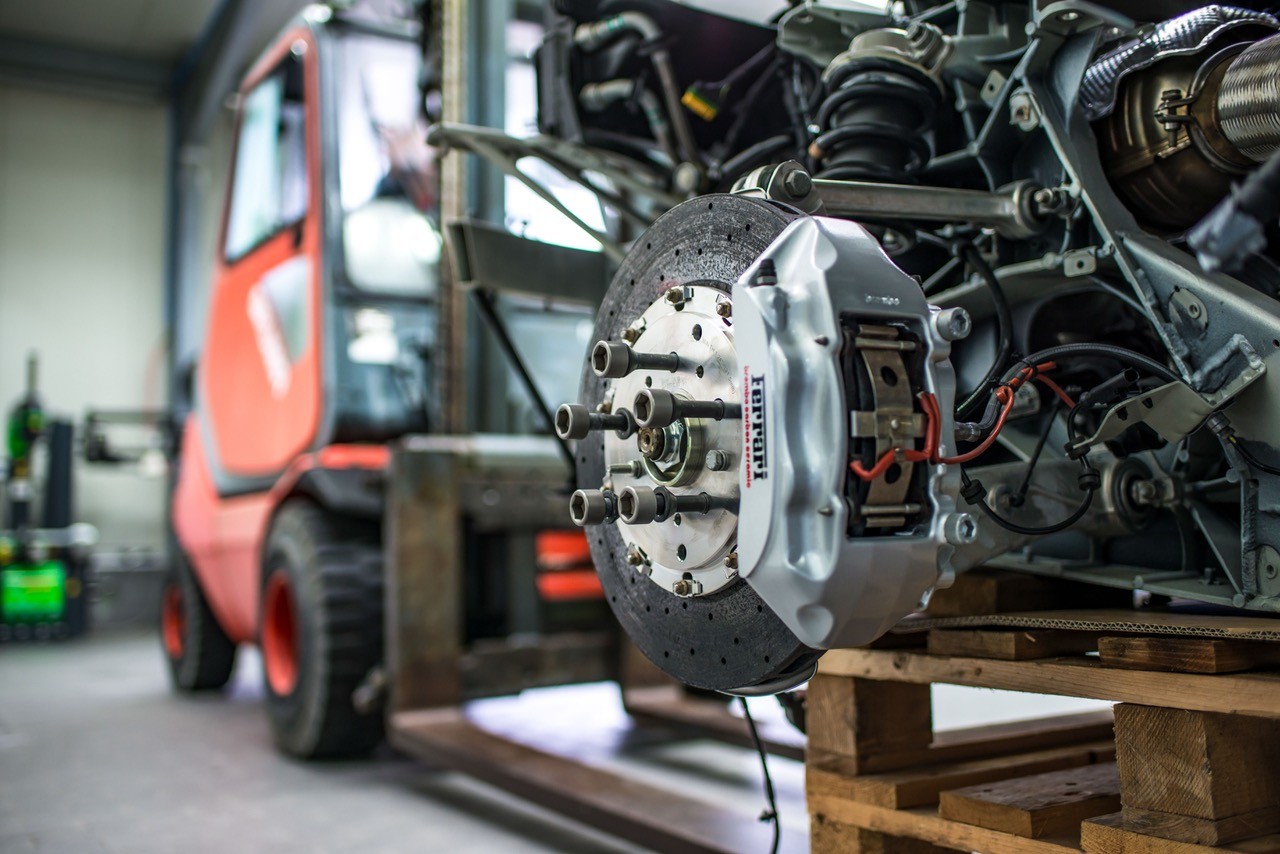
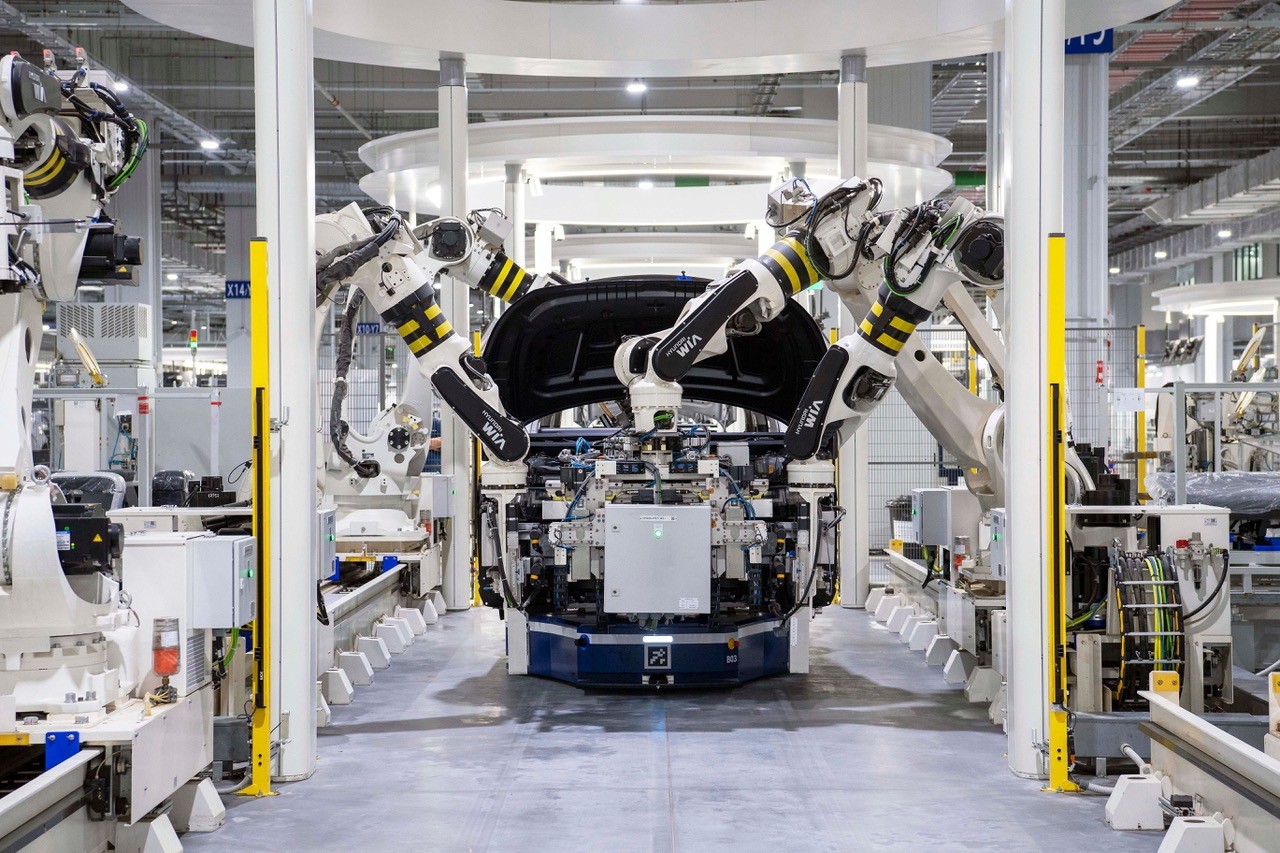
Your component does not have to speak for itself.
But their data must be connectable.
Your customers do not just need a number. They need CO₂e information that they can understand, document, and reuse in the next stage of the value chain.
THE OCCASION
When the next request comes in, no new special project should start.
"What CO₂e information can you provide for this variant?"
"Which materials and processes were considered?"
“Can we use the value in our Scope 3 assessment?”
THE RIGHT CLASSIFICATION
A CO₂e metric does not automatically reduce emissions. It makes decisions visible.
Your data can help customers categorise purchased materials, components or modules in their Scope 3 assessments. They show where material selection, manufacturing, energy use or delivery routes become relevant – and where joint decisions can be made.
HOW IT WORKS
We start with the product that needs an answer today.
No complete project on stock. A sensible start that can be carried forward.
01
The occasion
We start with a specific question: a material, a component, a module or a variant for which data is needed today.
02
The cut
The product, reference unit, time period and system boundary are defined in such a way that the subsequent key figure truly matches the customer's query.
03
The database
Materials, bills of materials, energy, waste, manufacturing, supplier information and transport are brought together in a structured manner.
04
The answer
The PCF is documented with data sources, methodology and assumptions – so that your customers can continue to use the value in a meaningful way.

WHAT
With ecozoom, product knowledge becomes a repeatable process.
ecozoom supports you in combining product data in a structured way, calculating Product Carbon Footprints, and documenting the underlying methodology.
This does not produce a mere figure for a presentation, but rather a database with which you can continue to work in customer enquiries, tenders and product decisions.
WHAT LIES BEHIND A KEY PERFORMANCE INDICATOR
Product & Variant
Reference Value & Period
System boundary
Data Sources & Assumptions
CO₂e information
CLEAR INSTEAD OF DECORATED
We do not turn your CO₂e data into a seal of approval.
A PCF is documented information on a clearly defined product. It shows a CO₂e indicator in the respective context: unit of reference, system boundary, period, data sources, methodology and assumptions.
FREQUENTLY ASKED QUESTIONS
A good start can be concrete.
Do all supplier details need to be available already?
No. We start with available data, document assumptions and make it visible where the database can be further developed.
Are we looking at the material, component or module?
This depends on the specific customer query. It is important that the product, reference unit, and system boundary are clearly defined.
Does a PCF reduce our customers' Scope 3 emissions?
No. The indicator does not lower anything automatically. However, it helps to classify purchased products in a more resilient way and makes relevant decisions visible.

THE NEXT STEP
The next stage of value creation does not just begin with the customer.
Show us a material, a component or a module. We will find the right starting point.