PROJECT PROFILE · CERTIFICATE-BASED CLIMATE PROTECTION
Uri II · India
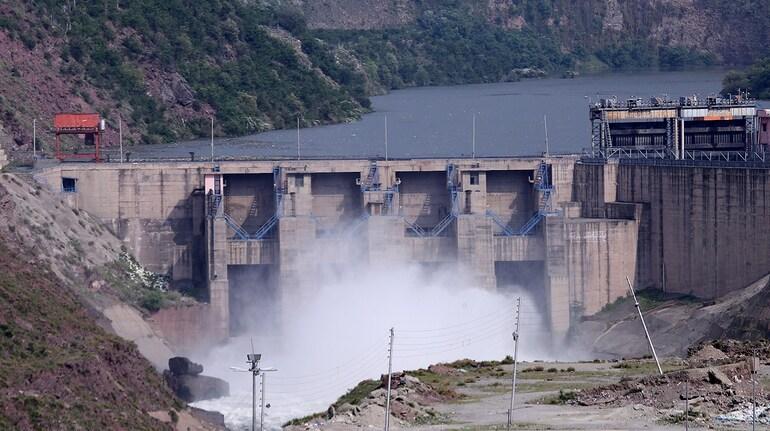
VCS1424 describes a grid-connected run-of-river hydropower project on the Jhelum near Uri with an installed capacity of 240 MW. This page separates technical capacity, measured power generation, calculated emission reductions, registry status and the subsequent allocation of VCUs.
COUNTRY
India
Verra ID
VCS1424
TECHNOLOGY
Run-of-river hydro · 240 MW
STATUS IN REGISTER
Registered
WHY FEED-IN MATTERS
The electricity is measurable. The avoided emission is calculated.
The electricity meter records electricity. It does not measure avoided tonnes of CO₂.
For the project balance sheet, the documented grid feed-in is linked with a methodologically determined emission factor of the Indian electricity system. Only this comparison yields a calculated emission reduction for a clearly defined monitoring period.
CONTENT
01 · Project profile
01 · PROJECT AT A GLANCE
The data pass for VCS1424
The project description and verification report document the technical approach and a completed monitoring period. Where the current register status could not be directly confirmed, this is made explicitly visible.
Uri II Hydroelectric Project
Uri Tehsil · Baramulla District · Jammu and Kashmir, India
VCS1424
NHPC Limited
PROJECT APPROACH
Grid-connected run-of-river power on the Jhelum
INSTALLED CAPACITY
240 MW · four units of 60 MW each
EXPECTED ANNUAL ELECTRICITY GENERATION
approx. 1,083.31 GWh · planned value, not an actual result
PROJECT STANDARD
Verified Carbon Standard (VCS)
METHODOLOGY
ACM0002 "Grid-connected electricity generation from renewable sources" · Project documents: Version 15
COMMISSIONING
25/09/2013
CREDIT ATTRIBUTION IN THE PROJECT DOCUMENT
10 years from 25 September 2013 · renewable, a maximum of two renewals provided for
DOCUMENTED MONITORING PERIOD
29/09/2014–31/08/2020
VERIFIED EMISSION REDUCTION
7,997,421 t CO₂e for this almost six-year period
VERIFICATION REPORT
Final Verification Report as of 31 July 2024
ASSUMED PROJECT LIFESPAN
35 years · Profitability assumption from the project description
CURRENT STATUS
Registered · parallel available public register analysis
ISSUED VCUs
1,305,089 · external register evaluation on the test date
DECOMMISSIONED VCUs
1,205,022 · external registry evaluation on the test date
AFOLU buffer contributions
0 · Energy project, not an AFOLU project
ARTICLE 6 AUTHORISATION
Not identified in the present project documentation
CCP-STATUS
Not identified in the present project documentation
TEST BENCH OF THIS PAGE
5 September 2026
What the 7,997,421 t CO₂e show: The value refers to the period 29/09/2014–31/08/2020. It is not an annual emission reduction and does not make a statement for the period after this monitoring period.
02 · WHAT THE PROJECT PROVIDES FOR
Using river water, feeding electricity into the grid and documenting the generation
When it comes to the carbon footprint, installed capacity is not the only thing that matters. The decisive factor is the amount of electricity generated within a specified period and fed into the interconnected grid system at the defined metering point.
01
Using river discharge and head
Uri II is designed as a run-of-river power station on the Jhelum. The installed capacity of 240 MW describes the technical capacity, not the actual electricity generation or emissions reduction.
02
Feed electricity into the grid
The electricity generated is fed into the Indian power system. It does not follow that specific households, products or companies are supplied directly with this electricity.
03
Document creation
Monitoring data on the generated and fed-in electricity, calculation documents and independent audits form the data chain for the quantification.
03 · HOW A UNIT IS CREATED
ACM0002 forms the methodological framework mentioned in the documents for grid-connected electricity generation from renewable sources.
01
Set baseline
The reference scenario describes how the corresponding amount of electricity would have been provided in the Indian electricity system without the project.
02
Measure electricity quantity
The electricity actually generated and fed in at the defined metering points is documented for the monitoring period.
03
Apply emission factor
The eligible amount of electricity is linked to the methodologically determined emission factor of the electricity system. Relevant project and leakage emissions are taken into account.
04
Verify and issue
Following independent auditing, VCUs with vintage and serial numbers can be issued in the registry. A subsequent retirement documents their specific use.
04 · OTHER PROJECT REFERENCES
What can be described in addition to the VCU calculation
Renewable electricity generation, infrastructure, and employment are potential project benefits. They require their own data and evidence and do not automatically result from an issued VCU.
ENERGY SYSTEM
210 MW hydropower in the power grid
The plant expands the grid-connected generation capacity from hydropower. Which conventional generation is replaced in the reference scenario is methodologically considered via the baseline.
MONITORING
Generation via defined measuring points
The project documentation describes the recording of relevant electricity volumes. These data form the basis of the calculation, not the nominal power alone.
INFRASTRUCTURE
Long-term technical operation
A hydroelectric power plant is long-term energy infrastructure. However, statements on security of supply, employment or regional development still require their own indicators.
ENVIRONMENT
Consider river usage separately
Hydroelectric power does not require fossil fuels for its operation. Impacts on discharge, aquatic ecology, land use, and habitats must be assessed separately.
FOR COMMUNICATION
A link to renewable energy or the Sustainable Development Goals is not a comprehensive sustainability credential. What matters is which specific statement is supported by which indicator, which source, and over which time period.
05 · FOR SUPPORTING COMPANIES
Issued VCUs do not yet constitute an allocation to a company.
A reliable allocation includes at least:
01
Project name and Verra ID VCS1424
02
specific quantity in t CO₂e
03
Vintage or monitoring period
04
Decommissioning date and register reference
05
full serial number range
06
Beneficiary and documented purpose of use
06 · CLASSIFICATION AND COMMUNICATION
What the support means – and what it doesn't
A voluntary climate contribution is presented separately from reductions within one's own value chain.
IT DOCUMENTS
IT DOES NOT AUTOMATICALLY MEAN
a VCS project with a publicly accessible project page
a currently confirmed crediting period without verification of the registry entry
an emission reduction calculated according to ACM0002 and verified for the period 2014–2020
a direct measurement of avoided CO₂ emissions at the hydroelectric power plant
210 MW installed capacity
a certain amount of electricity, utilisation or emission reduction without a specific time period
a registry entry with issued and retired VCUs
automatically an Article 6 authorisation or a CCP label
Electricity generation without fossil combustion in plant operation
Environmental neutrality or a full assessment of water and land impacts
the retirement of specific VCUs for a beneficiary
a reduction of own emissions, climate neutrality, or a green product label
07 · SOURCES AND RELEVANCE
The basis openly accessible
Status and units may change. The current register entry and the project, monitoring, and verification documents published there remain authoritative.
PRIMARY SOURCE
Verra Registry
VCS1424 · Status, Project Data, Documents and Units
SUPPLEMENTARY SNAPSHOT
CarbonDecode
Automated evaluation of public register data · no project verification
METHODOLOGY
ACM0002
Grid-connected electricity generation from renewable sources
NATUREOFFICE
General rules for voluntary climate contributions
TEST BENCH
5 September 2026
We are happy to answer any specific questions regarding project allocation, vintage, or available documentation.